






















U.S. Jets Intercept Russian Warplanes Alaska Near Bering Strait

U. S. fighter jets scrambled Thursday after multiple aircraft were detected off the western coast of Alaska, a response that highlights ongoing aerial activity near North America’s northern approaches. The incident involved russian warplanes alaska operating in the Alaskan Air Defense Identification Zone; U. S. jets escorted the formation until it departed the area.
Russian Warplanes Alaska Escorted Out
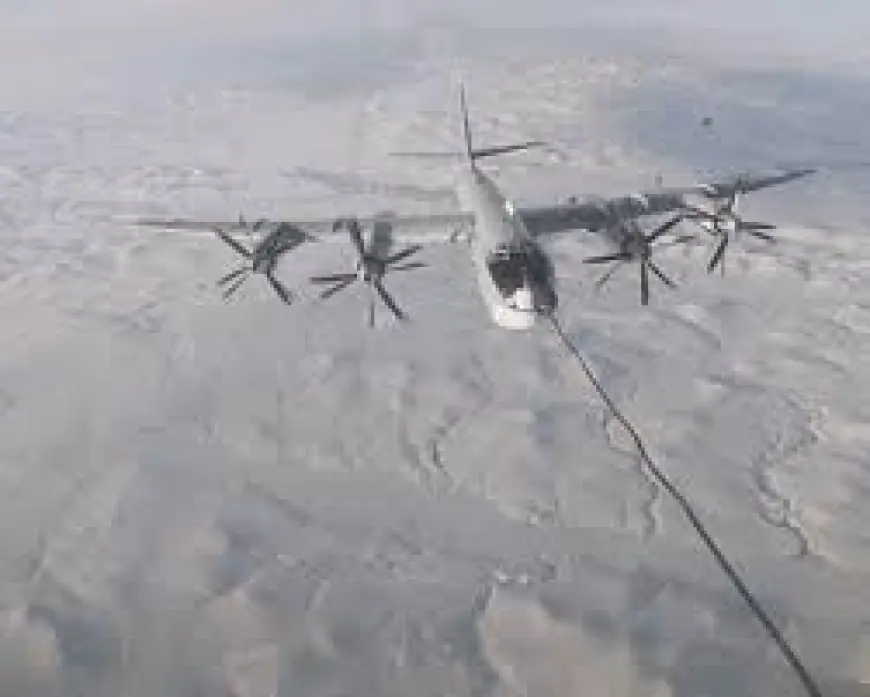
The North American Aerospace Defense Command (NORAD) identified two Tu-95 bombers, two Su-35 fighters and an A-50 spy plane operating in the Alaskan ADIZ. NORAD launched two F-16s, two F-35s and four KC-135 tankers to intercept and escort the aircraft until they left the ADIZ. Photos released by NORAD showed U. S. aircraft alongside the foreign formation as the planes were guided away from the approaches to U. S. and Canadian sovereign airspace.
Aircraft Detected in Alaskan ADIZ
The detected formation remained in the Alaskan Air Defense Identification Zone, a stretch of international airspace that begins where U. S. and Canadian sovereign airspace ends and requires ready identification of aircraft for national security. NORAD described the activity as a routine occurrence in that zone and stated the aircraft did not enter U. S. or Canadian sovereign airspace. The interception was limited to identification and escort until the foreign planes departed the ADIZ.
Context and What Comes Next
Similar intercepts have occurred several times in recent years. Scrambles to intercept Tu-95s and Su-35s in the ADIZ were recorded in September 2025, and a Cold War–era IL-20 reconnaissance aircraft was intercepted multiple times over a single week last August. Other encounters included close passes captured on short video in the ADIZ and, on earlier occasions, joint flights by Russian and Chinese bombers near Alaska. These recurring patterns make periodic intercepts a regular part of air defense operations in the region.
If flights of this type continue near the Alaskan ADIZ, expect additional scrambles and tanking support for extended escorts, given the use of KC-135 tankers during this operation. The presence of both long-range bombers and fighter escorts in a single formation suggests flight profiles that require sustained monitoring while aircraft remain near the ADIZ. Observers should watch for repeat patterns in aircraft composition and flight paths; similar formations prompted the earlier responses referenced above.
- Key takeaways: Two Tu-95s, two Su-35s and one A-50 were detected; U. S. forces launched two F-16s, two F-35s and four KC-135s; no sovereign airspace was breached.
The timeline of the interception and the number and types of aircraft involved were publicly released in a NORAD statement and in imagery that accompanied the announcement. Details not publicly confirmed in that material remain unspecified, including exact flight tracks and the duration of the escort. Authorities continue to treat such ADIZ activity as a security concern that is routinely managed through identification and escort procedures rather than as an immediate threat.