















Willie Colón Dies at 75: Salsa Architect’s Death Sparks Tributes and a Fresh Look at His Cultural Impact

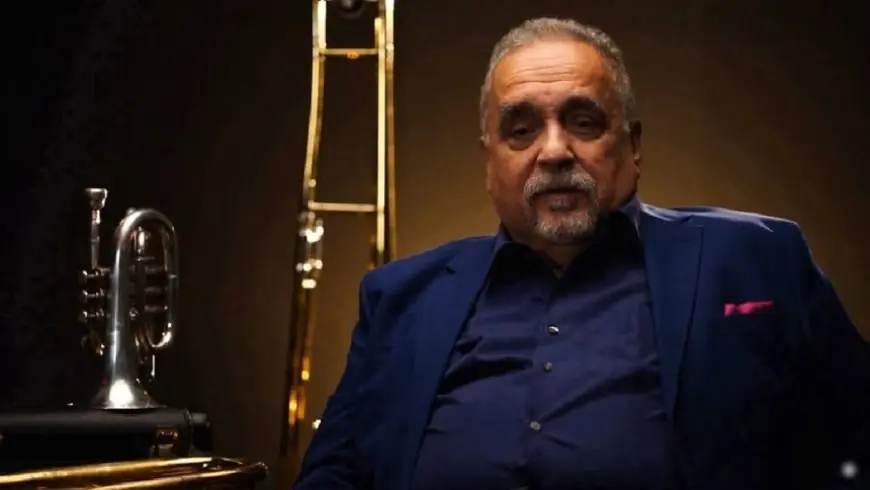
Willie Colón, the Bronx-born bandleader, trombonist, producer, and activist who helped shape modern salsa, has died at 75, his family confirmed Saturday, February 21, 2026. The announcement has prompted an immediate wave of tributes across the Latin music world and New York’s Puerto Rican community, where Colón’s work long served as both soundtrack and social commentary.
Colón’s death lands as more than the loss of a star musician. For many listeners, it marks the closing of a chapter in a movement that turned neighborhood stories into global dance-floor language—and that used music to argue about identity, migration, and power.
What happened: Willie Colón’s death and what’s been confirmed so far
Details around Colón’s final days remain limited publicly. His family’s statement confirmed the death on Saturday, and messages of condolence from artists and public figures followed quickly. Some reports have indicated he had been hospitalized recently in the New York area, but specific medical details have not been formally released. As of Saturday evening ET, the most solidly confirmed facts are the date of death and his age.
That gap matters: when a beloved figure dies, speculation can travel faster than confirmation. For now, the focus is appropriately shifting to his body of work and the institutions—family, collaborators, and cultural organizations—that will shape what comes next.
Willie Colón’s legacy: why his sound became a blueprint for salsa
Colón emerged as a defining voice of the Nuyorican era, when New York’s Puerto Rican community forged a new musical identity out of Caribbean roots, urban grit, and big-band swagger. His arrangements leaned into the trombone’s bite and brass heft, creating a signature that felt cinematic: streetwise, urgent, and unmistakably local.
He was also a builder behind the scenes—an arranger and producer with an ear for narrative pacing. That mattered because salsa wasn’t only about rhythm; it was about storytelling. Colón’s work helped make room for songs that described city life plainly, without sanding off the rough edges.
The long-running collaborations that paired his musical direction with sharp lyric-driven performance created a template many later acts borrowed: socially grounded themes, hooks that moved crowds, and orchestration that could sound both elegant and confrontational.
Behind the headline: incentives, stakeholders, and why this moment will reshape the conversation
In the days ahead, multiple groups will have strong incentives to define Colón’s legacy—sometimes in different ways.
Stakeholders include:
-
His family and estate, who will manage the public narrative, rights, and memorial plans
-
Surviving bandmates and collaborators, who will be asked to tell the “real story” of how the music was made
-
Cultural institutions in New York and Puerto Rico, which may move quickly to honor him with concerts, exhibitions, and educational programming
-
The music industry, which often responds to a death with reissues, commemorative releases, and renewed promotion of catalog recordings
-
Fans, who will likely elevate certain songs as symbols of community memory, sometimes narrowing a complex career into a few iconic tracks
The incentives are clear: commemoration brings attention, and attention can translate into cultural capital and commercial momentum. Done well, that momentum can fund preservation—archiving recordings, restoring master tapes, underwriting scholarships, and documenting oral histories before they disappear.
What we still don’t know: the missing pieces to watch
Several points remain unconfirmed or unresolved as of Saturday night ET:
-
Whether there will be a public memorial service in New York City, Puerto Rico, or both
-
Who will speak officially on behalf of the estate going forward
-
Any verified details about the cause of death
-
Whether planned performances or appearances will be canceled or converted into tribute events
-
What archival projects—unreleased recordings, live tapes, behind-the-scenes footage—may exist and who controls them
These details will shape how the public experiences grief: through formal ceremonies, through music releases, or through community-led gatherings.
What happens next: 5 realistic scenarios and the triggers that could drive them
-
A major public memorial in New York City
Trigger: Coordination between family, civic leaders, and community arts groups. -
Tribute concerts across multiple cities
Trigger: Promoters and artists aligning schedules quickly, especially for already-booked venues. -
Catalog resurgence and chart re-entries
Trigger: Fan-driven listening spikes and curated playlists, plus label and distributor promotion. -
Renewed debate about salsa’s social role
Trigger: Public figures framing Colón as an activist artist, prompting broader cultural discussion. -
Archival releases and documentaries
Trigger: Rights clarity and access to high-quality masters, plus a partner willing to finance restoration.
Why it matters: beyond nostalgia, a test of cultural memory
Willie Colón’s death is a reminder that genres don’t just evolve; they are stewarded. The next few weeks will determine whether this moment becomes a short-lived wave of nostalgia or a longer-term effort to preserve a living history—one that connects New York, Puerto Rico, and the broader Latin diaspora.
For fans, the immediate next step is simple: revisit the albums, the live recordings, the arrangements that made brass feel like a headline. For institutions and industry, the harder task is to honor the person without flattening the story—protecting the music’s complexity, crediting the communities that built it, and ensuring the next generation can hear more than a greatest-hits version of what salsa meant.