
























Bill Mazeroski, 89, Dies; His 1960 Ninth-Inning Home Run Sealed the World Series

bill mazeroski, the Pittsburgh second baseman best known for a ninth-inning, Game 7 home run that delivered the 1960 World Series to the Pirates, has died at 89. The Pirates announced his death in Lansdale, Pa., ending the life of a Hall of Famer whose career was defined by elite defense and a single, unforgettable offensive moment.
Development details: Bill Mazeroski’s death and the 1960 blast
The team announced Mazeroski’s death and provided no further details. He died in Lansdale, Pa., at age 89. His most famous swing came on Oct. 13, 1960, at Forbes Field: a home run hit to left that cleared the ivy-covered fence 406 feet away, off Yankees pitcher Ralph Terry, to win Game 7 in the bottom of the ninth and give the Pirates the championship.
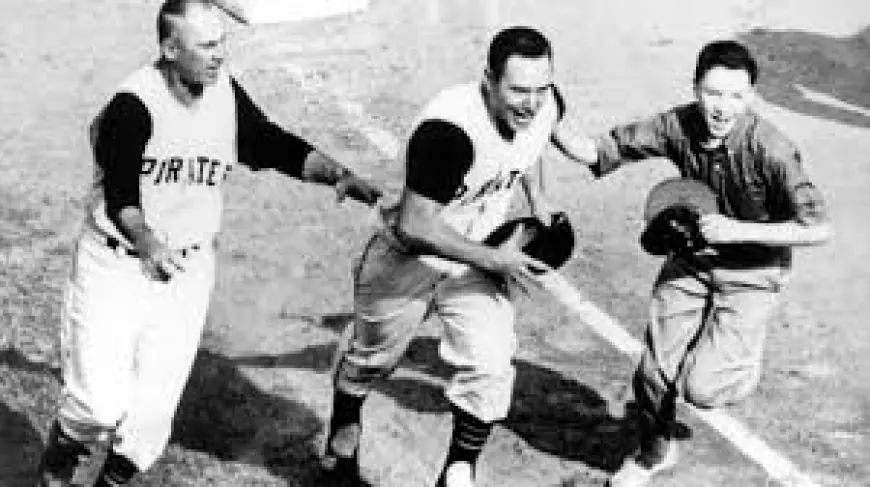
That blast remains the only instance in which a seven-game World Series was decided by a home run on the final pitch. called it the greatest home run ever. The physical scene that followed — fans rushing the field and Mazeroski having to thread his way to home plate — underscored the immediate consequence of the hit: an abrupt end to a seesaw contest and a championship clinched in one swing.
Context and escalation
Mazeroski’s career was built on defense over 17 seasons, all with the Pirates, and his work in the field contributed directly to his election to the National Baseball Hall of Fame in 2001. He won eight Gold Gloves and appeared in 10 All-Star games. Statistical records tied to his glovework include a career total of 1, 706 double plays turned, the most seasons leading the league in double plays by a second baseman (eight), and the single-season mark for double plays by a second baseman, 161 in 1966.
Offensively, Mazeroski finished his career with a. 260 batting average and 138 home runs. In the 1960 season he hit only two home runs at Forbes Field after July; the second of those had won the Series’ opening game and remained the Pirates’ only home run until the final, title-clinching swing.
What makes this notable is that a player primarily celebrated for defensive excellence produced the most decisive offensive moment in World Series history, shifting how his career is remembered.
Immediate impact
The home run instantaneously transformed the 1960 World Series outcome. It ended Game 7 with a walk-off that denied the Yankees a comeback, despite New York having recorded three lopsided wins in the series by scores of 16-3, 10-0 and 12-0. The Pirates’ victories had been much closer overall, and the final pitch settled a long, dramatic contest.
The play also produced strong reactions: members of the opposing clubhouse and notable players expressed shock and dismay. The moment entered the sport’s folklore, repeatedly replayed and widely recounted, and it remains a defining image for Pittsburgh fans after a 35-year championship drought ended with that victory.
Forward outlook
With Mazeroski’s passing announced, the immediate calendar includes remembrances and the preservation of his legacy as both a defensive standout and a clutch performer. His Hall of Fame status, eight Gold Gloves, 10 All-Star appearances and statistical records for double plays will factor into how historians and fans mark his place in the game.
Further tributes from the organization and the baseball community are expected; the announcement by the team ends a life that will be recalled most vividly for a single October afternoon at Forbes Field and for a sustained, 17-year contribution to the Pirates’ infield.
bill mazeroski leaves behind a career that fused steady defense with a moment that remains central to baseball history.