























Bobsleigh Crash Leaves Austrian Pilot Stretchered Off and Forces Long Delay at Milano Cortina

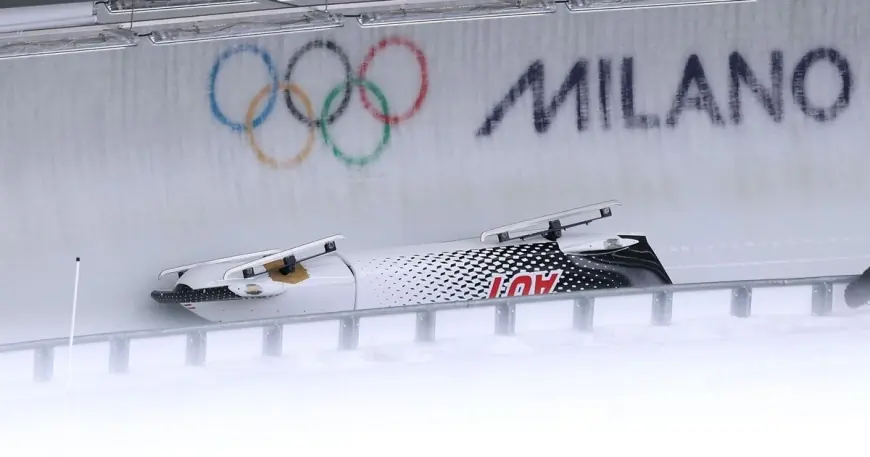
The immediate victims of the bobsleigh crash were clear: the driver required urgent, on-ice medical care and the four-man event was disrupted for competitors and officials. The incident left the Austrian pilot upside down in the sled, prompted a pause of more than 15 minutes while medics stabilized him and sent a ripple through the running order and track crew at the Milano Cortina Games.
Bobsleigh Crash: who felt the impact and how the field was affected
Here's the part that matters: the most direct impact landed on the driver and his teammates, but the consequences spread to other crews waiting to run, the course team that needed to repair damage, and the event timetable. Three teammates escaped the overturned sled and left the ice on their own, while the pilot remained trapped long enough for a lengthy medical response and later transfer for treatment after he complained of neck and back pain.
Competitors who were next in line faced delays — one team had to wait to take a second run until the track suspension was lifted and repairs were completed. The crash also altered placement opportunities because the Austrian sled did not complete the run and was disqualified from that four-man heat.
What unfolded on the track (embedded details)
During heat two of the men's four-man event, the Austrian sled reached roughly 117 kilometres per hour as it entered the final quarter of the course. A wobble on a left-hand bend sent the sled off course and onto its side; footage showed the machine sliding uncontrolled down the track and coming to rest short of the finish line. Medical staff attended on the ice, slipping at times while they worked to free and stabilise the pilot before he was carried away on a stretcher and later taken to hospital for further assessment.
Officials paused the competition for more than 15 minutes so the medical team could work and the course crew could repair damage caused when the sled overturned. Later in the same session, another crew lost control and flipped onto its side during their run, though its members emerged quickly and appeared uninjured.
- Driver status in the immediate aftermath: stretchered off after being trapped upside down and complaining of neck/back pain.
- Speed reported on approach to final quarter: about 117 km/h (course noted as fast, with teams reaching speeds described as north of 70 mph / ~120 km/h).
- Competition effects: >15-minute delay, track repairs, disqualification for the sled that did not complete the run.
Milano Cortina's Winter Olympic schedule runs from February 6–22, and organisers worked to restore the track and timing order so racing could resume that day.
What’s easy to miss is that a single high-speed overturn can create multiple operational problems—medical response, track repairs and a reshuffle of runs—each of which has knock-on effects for teams already keyed up to compete. The real test will be how officials balance safety checks with keeping the event on schedule.
If you’re wondering why this keeps coming up in coverage, it’s because the course has been described as fast, and similar incidents have interrupted sessions earlier in the Games, making crews and organisers particularly sensitive to any crash that damages the run or injures athletes.
Key stakeholders directly affected included the injured driver and his teammates, crews queued to start or re-run, and the course crew tasked with repairs. Medical staff and event officials had to coordinate quickly on the ice to stabilise the athlete and reopen the track for competition.
Mini timeline of verified milestones:
- During heat two of the four-man event — the Austrian sled overturned after a left-hand bend wobble.
- Medical crew worked on ice for more than 15 minutes before carrying the driver away on a stretcher and transferring him for further treatment.
- About an hour later in the same session, another crew flipped but its members emerged rapidly and appeared unhurt.