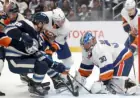





















Austria Bobsleigh Crash: Driver Stretchered as Run Is Halted and Field Is Reshuffled at Milan-Cortina

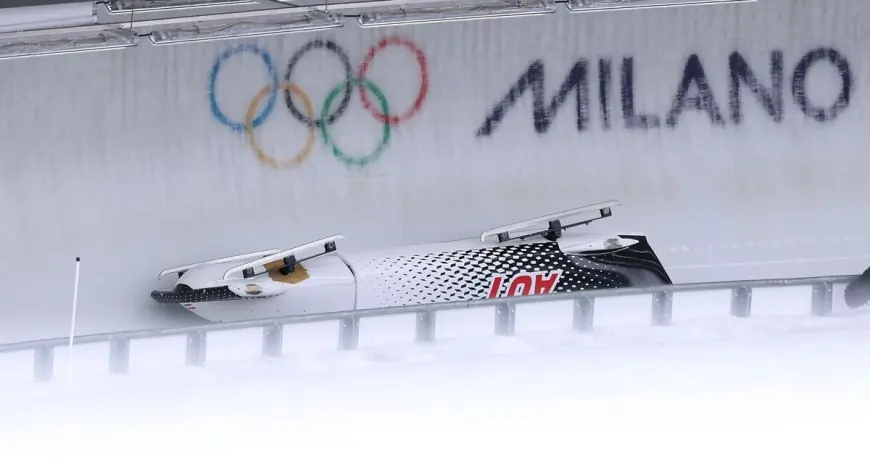
The immediate fallout from the austria bobsleigh crash is logistical and human: teammates, medical crews and the competition order were the first to feel it. The four-man sled flipped while negotiating a left turn in heat two, leaving the driver on the ice and prompting a pause long enough that later starters had to wait and officials repaired the track before racing resumed.
Who felt the impact first after the Austria Bobsleigh Crash
Teammates escaped the sled while medical staff focused on the driver for an extended period. The stoppage stretched beyond 15 minutes, creating a direct effect on other crews who were due to start their runs. One nation had to delay its second run until the course was cleared and fixed, and officials worked to restore the damaged portion of the track before the event continued.
- Driver was immobilized on the ice and later carried off on a stretcher.
- Three teammates exited the sled unassisted and left the track.
- Competition was paused for more than 15 minutes while medical and course teams worked.
- Another team's second run was postponed until the track was safe again.
Here's the part that matters for fans and teams: the delay reordered how crews experienced the course that day and interrupted the rhythm of a final-level field. What's easy to miss is how a single crash at speed can cascade into recovery and scheduling effects that influence results long after the sled has been removed.
Heat two details and immediate course consequences
The incident happened during heat two of the four-man event when the sled approached a left bend and experienced a wobble that took it off course. The four-man had reached roughly 117 kilometres-per-hour approaching the final quarter before overturning and sliding down the track upside down. The sled did not cross the finish line and the team was later disqualified from the competition.
The driver, identified in coverage as a 27-year-old member of the Austrian team, was stretchered off after a lengthy period of on-ice treatment. Commentary later said he was taken to hospital after complaining of neck and back pain; other updates described his exact condition as unknown. A subsequent crash involving another crew occurred about an hour later, though that team exited their sled appearing unharmed.
Micro timeline (competition context):
- Milano Cortina 2026 Winter Olympic Games are scheduled to run from February 6–22.
- Crash occurred in heat two of the four-man final; response, stabilization and removal took more than 15 minutes.
- Officials repaired the damaged section of track and then resumed the competition; at least one competing crew had its second run delayed.
The real question now is how the pause and the disqualification alter standings and momentum for crews that still had runs to complete. While immediate medical attention was the priority, the competitive ripple effects are tangible: start orders shifted, some teams had to reset physically and mentally, and the course itself required repair before the event could continue.
Key takeaways:
- The austria bobsleigh crash produced both a medical emergency and a procedural interruption that affected the running order.
- One driver was stretchered from the ice and taken from the venue for further care; details about his condition varied in early updates.
- Officials repaired the track before resuming competition; at least one other team had its run delayed as a direct consequence.
- Another crew crashed later in the session but members quickly left the sled appearing unhurt.
The bigger signal here is how tightly scheduled championship runs are vulnerable to a single high-speed incident: medical response, course repair and competitive fairness all intersect under intense time pressure. Expect further updates on the driver's condition as medical teams and event officials release more information; details may evolve as more is confirmed.