

























How Alysa Liu Won Women’s Figure Skating Gold for U.S. — alysa liu Reclaimed Her Career

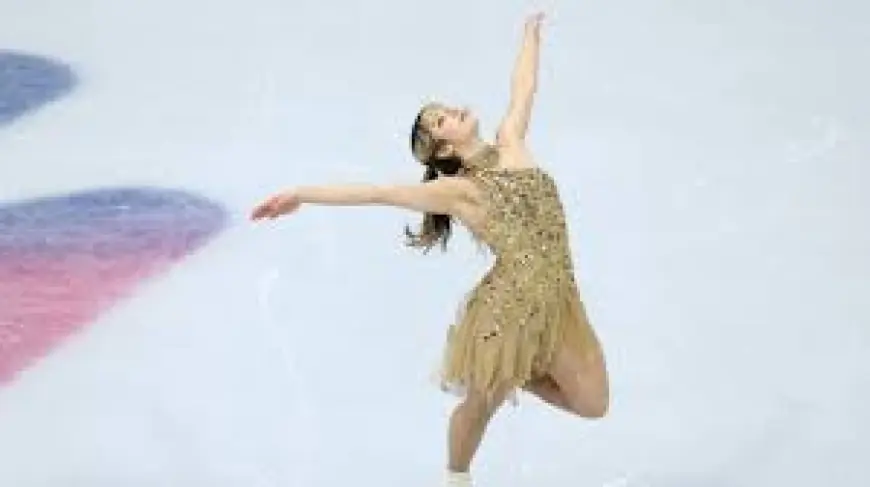
alysa liu reclaimed her career in an improbable Olympic comeback, winning the women’s singles gold at the 2026 Winter Games with a personal-best score of 226. 79. The victory completed a run that began with a third-place short program and culminated in a long program marked by technical precision, bright artistry and relaxed execution.
Alysa Liu’s Gold Performance
Alysa Liu delivered what judges rewarded as her most complete long program, skating freely and ebulliently to a disco-era rendition of "MacArthur Park. " She landed seven triple jumps, received career-high marks for choreography, musicality and skating skills, and combined technical execution with expressive performance to move from third after the short program to first overall with 226. 79 points.
alysa liu comeback story
alysa liu had stepped away from the sport after the previous Olympic cycle and returned to reclaim her competitive trajectory on her own terms. At 20 years old and representing Oakland, Calif., she became the first American woman to win the Olympic singles title since the 2002 Winter Games and the first American woman to reach the Olympic podium in singles since a 2006 silver medal. She also leaves the Games with two gold medals, adding the individual title to a team-event gold she previously earned at these Olympics.
Final podium and scores
The final standings were tightly contested. Liu won gold with 226. 79 points. The silver and bronze went to competitors from Japan, with a 25-year-old skater taking silver at 224. 90 points in her final competition before retirement and a 17-year-old first-time Olympian taking bronze at 219. 16 points after slipping from first in the short program. Notable technical choices shaped the results: Liu did not attempt a triple axel in the long program, a jump attempted by at least two other skaters, and she did not include a quadruple toe loop that another competitor attempted.
Photographic details noted during competition highlighted Liu’s speed and rotation mechanics in key elements: approaching parts of a combo at roughly 8. 7 miles per hour, completing triple rotations while clearing more than seven feet of ice on takeoff, and using toe pick action to drive into subsequent rotations. Those mechanics, paired with strong artistic marks, produced her personal-best total in the sport’s biggest event.
Analysis: Liu’s winning total combined strong technical content with elevated artistic scores, suggesting a balance that prevailed over programs that included higher-difficulty individual elements but lower component marks. With the silver medallist retiring after this competition, the field’s near-term landscape will adjust; if Liu maintains comparable technical consistency and component scoring, she is positioned to remain a leading contender in the next major championships. If her component marks fall or technical execution slips, podium outcomes could tighten again.
Uncertainties: routines, future entries and program decisions beyond this competition are not publicly confirmed. The retirement of a top rival and the emergence of a teenage medallist provide observable indicators of changing competitive dynamics going forward.