























Boeing Starliner Failure Rated ‘Type A’ as NASA Faults Hardware and Leadership

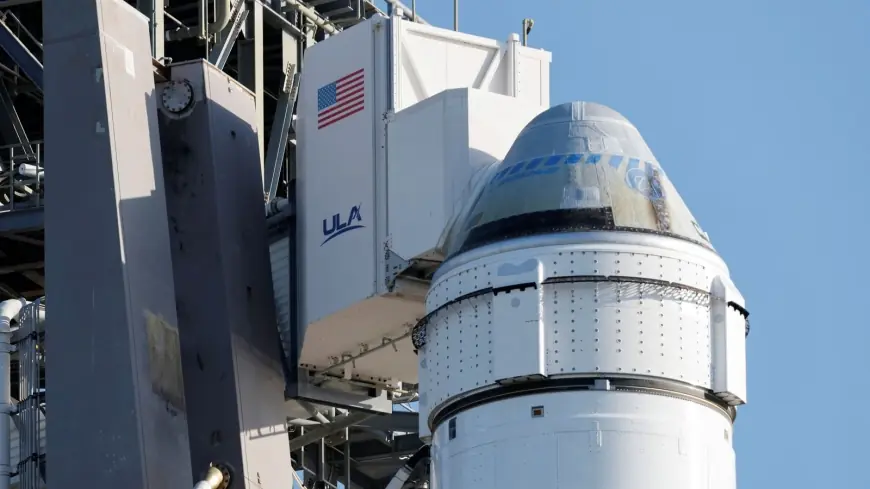
The newly released investigation into the Boeing Starliner failure concludes the botched crewed test flight was a "Type A" mishap, the agency's most severe classification, after thruster failures left two astronauts stranded aboard the International Space Station for more than nine months. The designation, and the report's findings, underscore systemic problems that delayed the safe return of the crew and prompted leadership accountability measures.
Boeing Starliner Failure: Development details
The space agency's 312-page report finds that the crewed test flight, which began as an eight-to-14-day mission, suffered multiple technical and managerial breakdowns that turned it into a months-long ordeal for the two test pilots. The spacecraft experienced thruster failures that left it dangerously out of control; the pilots were able to restart the propulsion system and manually dock with the station. Later, the capsule was returned to Earth without the original crew aboard, and the astronauts returned on a different vehicle months after launch.
Investigators identified hardware failures and persistent technical challenges that included problems with thrusters and issues noted during re-entry. The report also flagged earlier development problems such as the use of flammable tape on electrical systems and a failure in the parachute system. These faults, taken together, caused the agency to classify the event as a Type A mishap — a designation reserved for incidents that cause more than $2 million in damage, the loss of a vehicle or its control, or fatalities. The agency emphasized that while there were no injuries and control was regained prior to docking, the highest-level classification recognizes the potential for a catastrophic outcome.
Context and pressure points
Investigators concluded that technical faults were compounded by leadership missteps and cultural problems across the organizations involved. The report describes poor engineering practices and a lack of oversight at the contractor that built the spacecraft, alongside shortcomings in how the mission was accepted and launched. The agency commissioned an independent investigation team to determine the causes behind the troubled mission and has accepted that team's findings as final.
Senior agency leadership has publicly criticized both the contractor and the agency's own decisions that allowed the vehicle to fly despite recurring issues. One newly appointed agency chief, who took the top job after a contentious nomination process, said the spacecraft had faced problems throughout its prior missions but had still been accepted for the test, and pledged corrective actions and leadership accountability so that similar failures do not recur. What makes this notable is the comparison drawn between this incident and historical shuttle disasters, placing the event within the agency's most serious safety category even though there were no fatalities.
Immediate impact
The most direct consequence was the extended stay of the two test pilots on the space station: their planned 10-day visit stretched to more than nine months while the agency assessed the problems. Both pilots later retired from the agency following the episode. The incident also prompted a costly retrieval and recovery process for the spacecraft and accelerated scrutiny of contractor practices and internal oversight mechanisms.
The contractor has stated it has implemented significant cultural changes and made substantial progress on corrective actions for the technical challenges identified since the mission. The agency has signaled it will take corrective steps in response to the independent team's recommendations.
Forward outlook
The agency has accepted the final report and outlined that corrective actions will be taken to address the findings. Investigators and agency leaders are now focused on enforcing those corrective measures and ensuring leadership accountability so that mission acceptance criteria, engineering standards and oversight practices are strengthened. The matter remains under review as those steps are implemented and verified.
Confirmed milestones ahead include the agency's planned oversight of corrective-action completion and the verification work necessary to restore confidence in crewed flight readiness. The report's classification and explicit findings set a clear timeline for demonstrable fixes before similar missions proceed under the agency's crewed flight standards.