






















Todays Papers: Photos, an Aylsham Arrest and a Push to Remove Andrew from the Line of Succession

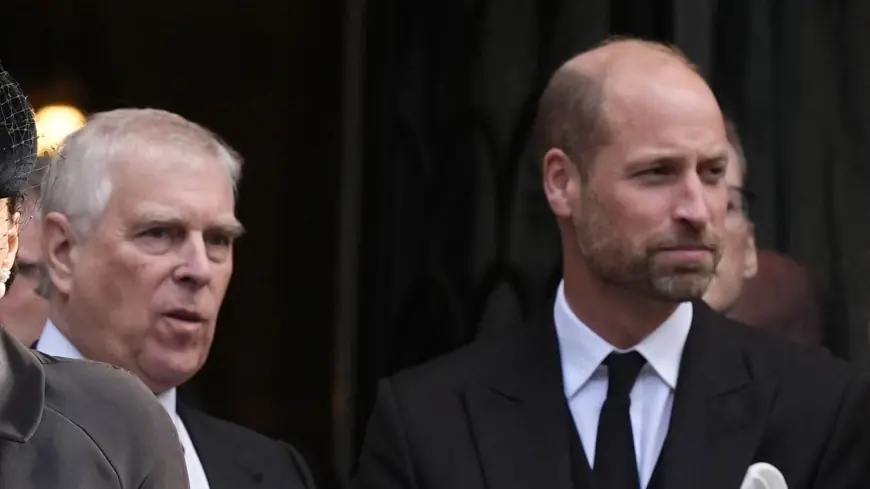
todays papers gather three linked developments: photographs that have repeatedly returned Andrew Mountbatten-Windsor to public attention, his arrest and processing at a Norfolk police centre, and a government decision to consider legislation that could remove him from the royal line of succession. The proximity of these threads matters because each has contributed to renewed public and parliamentary pressure.
Todays Papers — Development details
The government is to consider introducing legislation to remove Andrew Mountbatten-Windsor from the line of succession, a step that would require consultation and agreement with other Commonwealth realms. Any such move will only be pursued once the ongoing police investigation has concluded. The former duke was arrested and interviewed under caution on Thursday over allegations of misconduct in public office.
His royal titles were removed by the King last year as part of the fallout from his association with Jeffrey Epstein. A poll showed that 82% of the British public would support removing him from the line of succession. The police have been speaking with former and serving protection officers in connection with a recent release of material related to the Epstein case.
Context and pressure points
Images have been central to the controversy that has kept the issue alive. A photograph taken in 2001 and later published shows Mountbatten-Windsor with his arm around a 17-year-old Virginia Giuffre while Ghislaine Maxwell stood at their side. He has denied the allegations associated with those images and once said he believed one photograph was doctored; later-released emails were presented as counter-evidence to that claim.
Other images have reinforced public scrutiny. A 2010 photograph showed him walking in New York with Jeffrey Epstein; his explanation was that he had visited to sever contact. When emails emerged after publication of the Giuffre photograph in 2011, one message from Mountbatten-Windsor to Epstein read that they were "in this together" and added, "Keep in close touch and we'll play some more soon. " In 2022 he settled a civil case brought in New York by Giuffre alleging sexual assault on three occasions; he made no admission of liability and has denied the allegations.
More recently, the release of a cache of more than three million documents included undated images of Mountbatten-Windsor crouching over an unidentified female lying supine on a floor. Those pictures lack captions, dates or location details and do not in themselves indicate wrongdoing, but they have contributed to renewed inquiries and public debate.
Immediate impact
Andrew's arrest and subsequent release brought intense attention to Aylsham, a quiet rural market town known for tearooms, churches and a popular annual show that attracts about 15, 000 visitors. He was photographed leaving the local police investigation centre, slumped in the back of a vehicle. The image of him departing custody carries historical resonance: he is the first senior royal to be arrested since Charles I was detained centuries ago.
Police custody procedures are governed by standard rules. On arrival at a custody suite a detainee's identity and welfare are assessed, rights are read, and biometric data may be taken. Older custody facilities at the local centre were replaced in 2011, and Norfolk retains multiple such centres serving the county. Comment from a retired defence solicitor noted that custody staff deal with every detainee under the same statutory rules, regardless of status.
Forward outlook
The immediate confirmed milestones are clear: the police inquiry remains active and the government has signalled that any legislative response will follow the conclusion of that inquiry. Any parliamentary consideration of succession changes would require consultation with other realms. The matter remains under review.
What makes this notable is the way discrete developments — archival photographs, the release of a large document cache, and a local custody episode — have combined to produce a national moment with legal, constitutional and local consequences. The next concrete signals to watch are the completion of the police investigation, formal announcements about any parliamentary timetable, and any confirmed consultations with other realms. In the absence of those formal steps, the principal facts remain the arrest, the ongoing inquiry, and the government's stated intent to examine whether legislative change is required.