














Eric Dane Saved By The Bell: How his final months redirected attention and funding toward ALS

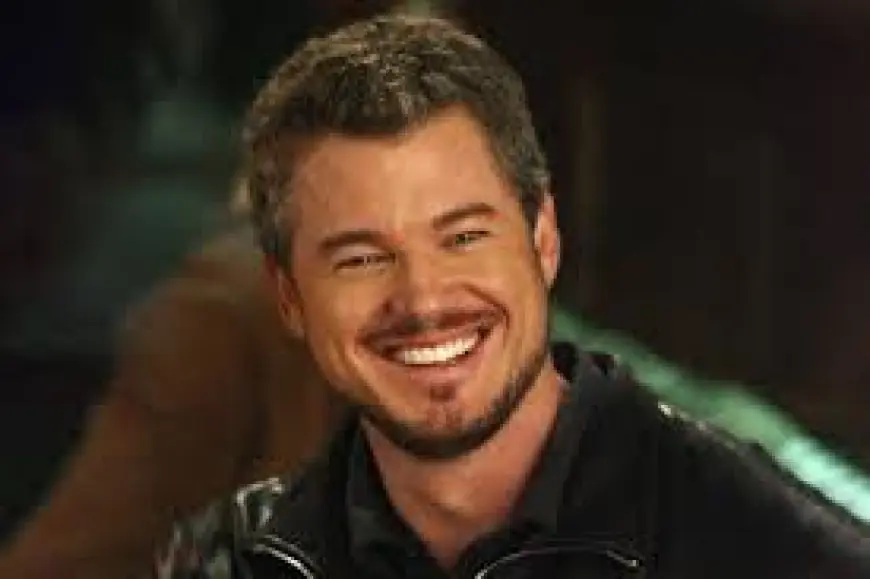
Why this matters now: eric dane saved by the bell is a reminder that an actor’s public profile can quickly translate into tangible pressure on research and fundraising systems. In the ten months after he confirmed an ALS diagnosis, he concentrated his time on campaigning, helped push a fundraising target past half a million dollars, and joined the leadership of a research-focused organisation — moves that immediately affect patients, researchers and federal funding discussions.
Immediate impact: patients, research budgets and public attention
His activism rechanneled celebrity attention into concrete advocacy. The campaign he helped launch aimed to secure more than $1 billion in federal research funding over three years; within months he had joined a board working on effective treatments and helped one campaign top a $500, 000 fundraising threshold. That combination — public-facing campaigning plus board-level involvement — accelerates visibility for ALS research and creates pressure points for policymakers and philanthropy.
Here's the part that matters: families currently facing ALS and the researchers studying it are the most immediate beneficiaries of increased funding and awareness. The actor’s visibility may shorten timelines for trial recruitment, expand philanthropic dollars, and push bureaucratic hurdles into public debate.
What’s easy to miss is that he used both personal storytelling and his craft to raise awareness: he took on a role portraying a character with the disease and spoke about the struggle in public panels. That dual approach tends to broaden audiences beyond typical advocacy channels.
Eric Dane Saved By The Bell — career notes and the sequence that shaped his final year
The actor, long known for a career that included stints in popular TV dramas and earlier small roles, confirmed an ALS diagnosis in April 2025 and died 10 months after that confirmation. In the months that followed he launched a three-year campaign with a more-than-$1 billion funding goal, appeared in a scripted role portraying someone with ALS, joined the board of a research organisation by December, and participated in virtual panels to explain the disease and the hurdles patients face.
- April 2025: He publicly shared his ALS diagnosis.
- September (same year): He helped launch a three-year campaign seeking over $1 billion in federal research funding.
- November: He appeared in a drama episode as a character coping with an ALS diagnosis.
- December: He joined the board of a research-focused organisation and took part in virtual discussions about ALS.
- Ten months after confirming his diagnosis: He died, having spent much of that period focused on awareness and fundraising.
If you’re wondering why this keeps coming up: the mix of high-profile advocacy, board-level participation and on-screen portrayals creates both immediate fundraising wins and a longer-term narrative that can influence policy conversations.
The real question now is whether the momentum he generated — a large public campaign target, board engagement, and media visibility — will translate into sustained funding commitments and smoother pathways for research. Early signs include campaign milestones that were exceeded in short order, but translating that into federal spending and new trials will take continued advocacy.
Who is affected next: caregivers and people living with ALS, researchers focused on motor-neurone disease, and federal and philanthropic funders who may face renewed pressure to allocate larger sums. His public role also reframed conversations about how celebrities can move advocacy beyond publicity into organisational leadership.
Editorial aside: It’s easy to overlook, but joining a research board — not just lending a name — is a structural move that multiplies influence, because it connects public attention to grantmaking decisions and campaign strategies.
Final note: coverage of his passing emphasises both his screen legacy and the concentrated effort he made in his final months to accelerate ALS research. Recent updates indicate these developments are being framed as both a tribute and a potential catalyst for policy and philanthropy; details may continue to evolve.