



















Gus Kenworthy Faces Death Threats After Anti‑ICE Post — The Immediate Impact on Athletes and the Olympic Stage

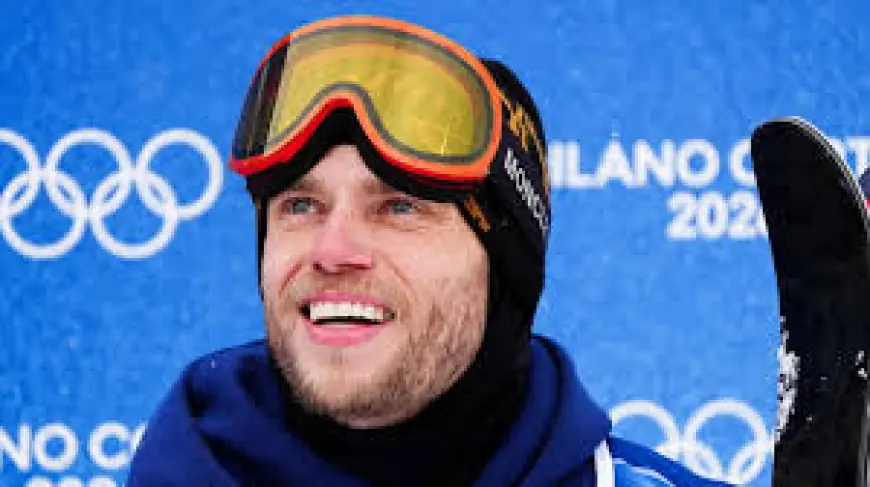
Why this matters now: when an Olympic competitor posts a provocative image and then receives violent threats, the first people affected are fellow athletes, team officials and event security. gus kenworthy posted a graphic message targeting ICE shortly before competition and has since reported receiving death threats; that reaction amplifies debate about athlete expression, safety and the ripple effects of political events back home.
Gus Kenworthy: who feels the fallout and how it shifts the Games
Here’s the part that matters — the most immediate impact lands on competitors who share national ties but diverging views, and on teams that must balance free expression with safety. The threats directed at gus kenworthy complicate routine Olympic responsibilities: training, travel and public appearances can suddenly require security considerations they normally would not. Organizers and teammates face short-term pressure to respond to threats while not curbing athletes’ ability to voice opinions.
- Athletes: increased risk of harassment and added emotional strain during competition.
- Teams and delegation staff: operational and reputational stress from politically charged incidents.
- Event security and local authorities: potential need for heightened protection measures.
- Public debate: a renewed focus on immigration enforcement and how incidents at home reverberate at international competitions.
What’s easy to miss is that this is not only about a single post; it's about how a violent domestic incident and subsequent protests can cascade into an athlete's international experience.
Event details and the immediate timeline around the post and the results
In the weeks leading into competition, gus kenworthy shared an Instagram image that used an expletive before the letters ICE. The post came about a week before he was due to compete at the Winter Games. Earlier in January, two Minnesota residents were killed by immigration enforcement agents, a development that sparked protests across the United States and set the context for heightened emotion around enforcement actions.
Kenworthy, who competes for Team GB at his fourth Olympics and previously won an Olympic silver in slopestyle before switching allegiance in 2019, finished sixth in the halfpipe final on Friday, while an American competitor completed a set of medals with a gold. Another U. S. skier who had also criticized immigration enforcement placed 10th. Those results underline how political expression and competition have been unfolding in parallel on the slopes.
Tom Homan, the official overseeing the enforcement surge in Minnesota, has said the operation led to many arrests and that enforcement will continue to have a presence in the state; the surge and the deaths contributed to nationwide protests that form the backdrop to the athlete reactions and social media posts.
Mixed takeaways and early signals to watch:
- If more athletes face threats after commenting on politically charged domestic events, expect sustained conversation about athlete protection and platform moderation.
- Notable shifts in team protocols or increased visible security around specific athletes would indicate organizers taking the threat environment seriously.
- A spike in on-field or on-slope gestures tied to political disputes would show athletes turning competition into a louder forum for protest.
- If responses from delegation leadership remain muted, pressure from teammates, fans and the public may force clearer positions.
The real test will be whether this episode changes how athletes approach public commentary during high‑stakes competitions and whether institutions respond with concrete safety or policy measures. Recent updates indicate details may continue to evolve as officials, athletes and teams process the threats and the protests that framed the original post.