





















Dodgers clubhouse shift: New signings, pitching prospect Zazueta and why families are front and center

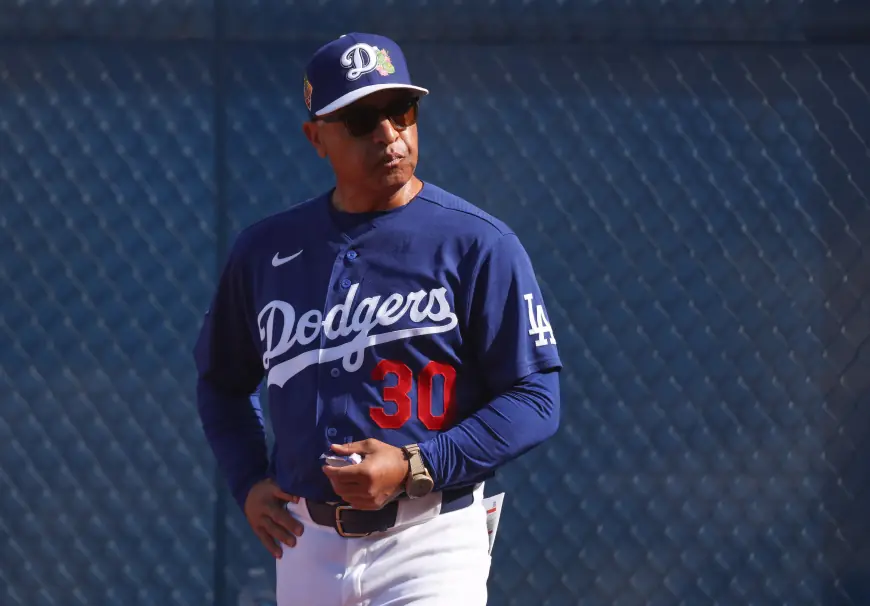
Who feels the impact first? Players, their families and the coaching staff. At the club’s first official workout, manager Dave Roberts framed a cultural reset that matters because it changes daily routines, retention strategy and how young pitchers move through the system. That shift was underscored by newcomers explaining why they joined and by a top prospect’s fastball surge — early signals about how the dodgers intend to marry star power with internal development.
Dodgers impact: clubhouse culture, retention and the family angle
Roberts used the opening address to lean into what the organization wants to be: a place players choose for more than money. When newcomers Kyle Tucker and Edwin Díaz were asked why they signed, their answers emphasized attention to detail, professional standards and the care the staff provides to players’ families. The front office has framed that combination as central to keeping homegrown talent and attracting established stars, a strategy tied directly to the club’s championship ambitions.
Roberts also expanded the message on a baseball podcast, discussing the newcomers and the tone he expects in camp. What’s easy to miss is how frequently non-roster factors — family support, daily professionalism — were positioned as concrete recruiting tools rather than soft perks.
Event details and roster-plus-prospect signals
Several concrete items from the club’s opening window landed alongside the cultural messaging. Christian Zazueta, last season’s Branch Rickey Award winner as the organization’s minor league pitcher of the year, is lined up to open his age-21 season at High-A Great Lakes; evaluators have noted a notable jump in his heater, which sat around 93 mph and climbed as high as 98 in 2025. That development puts a young arm squarely on the seasonal radar while the big-league group integrates new voices.
On the analytics and management side, a recent interview with a former general manager who now serves in an executive role revisited the Moneyball-era focus on finding value, noting that metrics like on-base percentage have cycled between being undervalued and overvalued — a reminder that front-office thinking continues to evolve even as the club markets itself as a destination.
Additional roster notes circulating in the same update window included a veteran first baseman signaling willingness to play into his 40s while wearing the team uniform; the possibility that a two-way star could begin the season under an innings limit; an early-season vacancy at second base with a particular contender sidelined to start; a former homegrown starter now with a new organization; a multi-stage contract history reviewed for a long-tenured infielder; a pitcher from abroad adjusting his mix and adding a new slider for his second season with the team; and the explanation from the new closer about why he chose this club over another suitor.
- Tuesday: first official workout and the manager’s annual opening address set the cultural tone.
- High-A projection: Zazueta expected to begin the year at Great Lakes after last season’s organizational pitching award.
- 2025 note: scouts recorded Zazueta touching as high as 98 mph on the fastball.
Here's the part that matters: these moves and messages are designed to affect retention and daily preparation more than immediate lineup changes. If the club keeps its core players content and makes the clubhouse family-friendly, it increases leverage in both free agency conversations and internal development.
Key takeaways:
- New signings highlighted non-monetary selling points — daily professionalism and family support — as decisive factors.
- A top pitching prospect’s velocity jump accelerates his path onto Spring Training radars and into higher-level assignments.
- Front-office commentary emphasizes finding value and adapting metrics, signaling iterative strategy rather than wholesale philosophical shifts.
- Several roster-watch items (veteran longevity, innings-management for a star, a gap at second base) create short-term lineup uncertainty heading into the season.
The real question now is how those cultural and developmental priorities translate into roster decisions once full games begin. The real test will be whether a family-first pitch to free agents and an accelerated prospect timeline produce the consistency the club wants at the major-league level.
It’s easy to overlook, but the emphasis on off-field care as a recruiting point is as practical as any contract — it shapes daily life, which in turn shapes performance.