





















Chicken Fried Rice Recall Forces Consumers to Check Freezers After Possible Glass Contamination

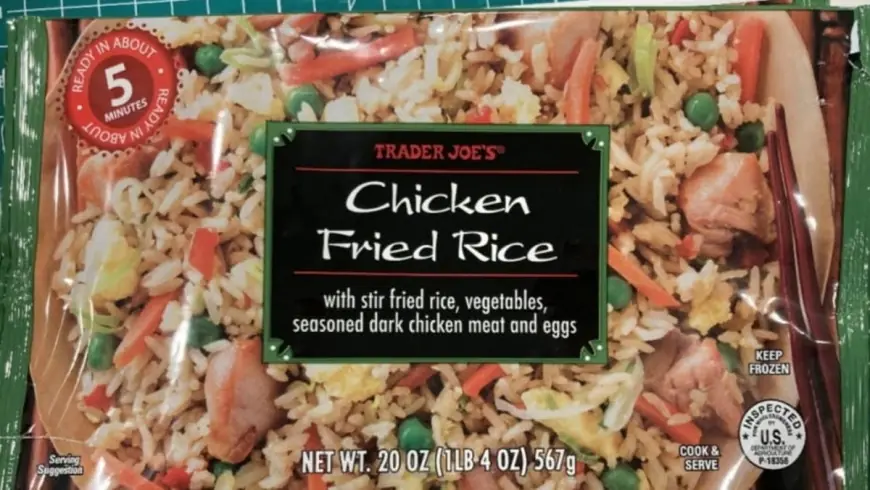
Household shoppers who bought a ready-to-eat frozen meal are the first to feel the impact of this chicken fried rice recall: people with the product in home freezers are being asked not to eat it and to either discard it or return it. The recall centers on a specific 20-ounce green bag with visible "best if used by" dates; consumers, retailers and the manufacturer are now managing reports of glass found in packs.
Chicken Fried Rice Recall: immediate impact on shoppers, retailers and the supply chain
Here’s the part that matters: customers who have this item at home are the primary group at risk because officials expressed concern that affected packages may still be in retail or consumer freezers. Four customer complaints prompted the notification to federal food-safety officials; there have been no confirmed injuries tied to the product.
- Who should act first: anyone who purchased the described frozen chicken fried rice should check their freezer.
- How to respond: do not consume the product; either discard it or return it to the place of purchase.
- Help channels: the manufacturer has provided a customer phone line and an email address for questions, and a federal meat and poultry hotline is available for general food-safety questions.
It’s easy to overlook, but the health notice did not specify the total weight or unit count removed from stores, leaving uncertainty about the recall’s full scale.
What the recall involves and the packaging to look for
The recalled item is a ready-to-eat frozen chicken fried rice sold at a national grocery chain. The product comes in a green 20-ounce plastic bag labeled with the product name and a description that includes stir-fried rice, vegetables, seasoned dark chicken meat and eggs. The "best if used by" dates printed on the package run from Sept. 8, 2026, through Nov. 17, 2026.
The manufacturer notified the federal food-safety agency after receiving four reports of glass found in the product. Federal officials posted a notice about the recall on their site and urged consumers who bought the item not to consume it. The notice also referenced a separate recall included in the same posting.
The real question now is whether additional consumer reports will surface that clarify the recall’s scope. If more complaints appear, that would expand the public-health response and could change how retailers and the manufacturer handle returns and disposal.
Micro timeline:
- A federal food-safety notice was posted in mid-February identifying the issue.
- Four customers reported glass in the product, and no injuries have been confirmed.
- Packages to watch carry "best if used by" dates from Sept. 8, 2026, through Nov. 17, 2026.
Consumers with questions can contact the manufacturer by phone or email; a federal meat and poultry hotline and an electronic complaint system are also listed for food-safety inquiries. The manufacturer and regulators encourage returning or discarding affected packages rather than consuming them.
What’s easy to miss is that the recall notice grouped this item with information about another recall, which makes it important for shoppers to verify the product labeling carefully rather than assuming all frozen items from the same shelf are affected.
If you’re wondering why this keeps coming up: glass contamination prompts immediate recalls because of the physical hazard it poses, even when injuries have not been confirmed. Consumers who think they have affected packages should follow the guidance and use the available contact channels to report issues or get answers.