




















Dorothea Wierer and the Final Biathlon Massenstart: Olympic Medals to Be Decided

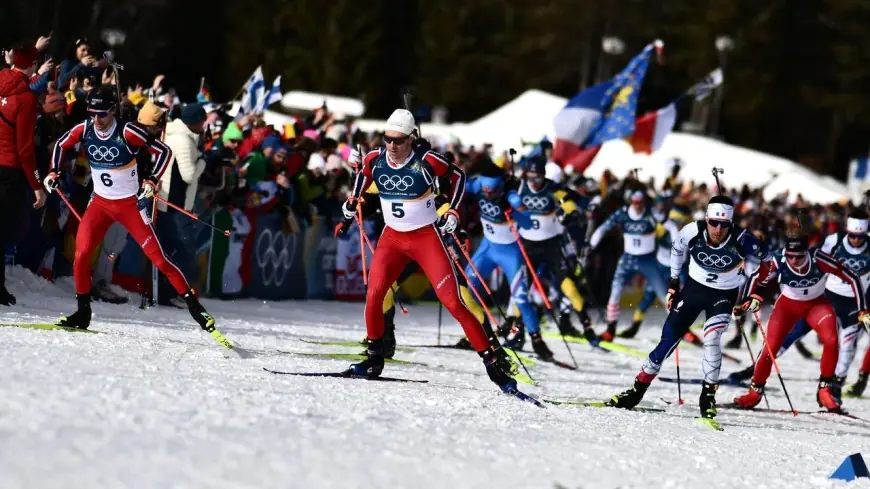
The men's mass start will settle the final biathlon podium places as the Olympic programme draws to a close, and Dorothea Wierer is among the names circulating in broader coverage as fans look for final storylines. The race matters now because it is the last chance for many athletes and teams to turn a mixed set of results into a memorable finish.
Development details: Dorothea Wierer and the Massenstart decision
The decision in the Massenstart (men) will determine who takes gold in the final individual contest; commentary is scheduled from Christian Dexne and Arnd Peiffer. The event is set for a 14. 15 start, with the women's Massenstart to follow on Saturday at the same hour. Participation in the mass start is governed by World Cup standings and standout Olympic results: the 15 highest-ranked athletes in the overall World Cup earn places, alongside athletes who qualified through medal performances or strong results at these Games.
Context and pressure points
The German team arrives at the mass start with limited representation. Only six German athletes qualified for the mass start fields; for five German competitors, the Olympics are already over. On the men's side, Philipp Nawrath, Philipp Horn and David Zobel secured the available places.
Nawrath earned an automatic berth by sitting 12th in the overall World Cup standings. Horn secured his ticket with a top-10 finish in the sprint and an 11th-place result in the pursuit. Zobel accumulated enough points through a 21st place in the individual and 19th in the sprint to make the field. Two other German men, Justus Strelow and Lucas Fratzscher, did not make the mass start. Strelow, despite early promise and a mixed-relay bronze, lost ground after shooting errors in the pursuit; Fratzscher competed only in the individual, finishing 23rd.
On the women's side, Selina Grotian, Julia Tannheimer and Anna Weidel did not qualify for the mass start. Grotian described her first Games as both sporting and personal disappointments after finishing well below expectations across her individual events, with placements in the fifties and low forties. Tannheimer had shown early promise as the starter in the women's relay and produced a 20th-place sprint and 34th in the pursuit; Weidel did not start in individual races.
Immediate impact
The mass start is the last realistic chance for the German team to alter the narrative of these Games. Germany departs with a single confirmed medal from the mixed relay bronze and two near-misses that produced fourth-place finishes. For athletes such as Nawrath, who earlier won relay bronze, the mass start represents an opportunity for a personal coda and a final chance to deliver a national highlight.
Beyond Germany, the mass start concentrates attention on the season’s top performers and those who qualified through exceptional Olympic showings. Commentators and viewers will focus on shooting performance and race strategy, as those elements have been decisive across the programme.
Forward outlook
The men's mass start will run at 14. 15, with the women's counterpart scheduled for 14. 15 on Saturday. Official commentary will be provided by Christian Dexne and Arnd Peiffer for the men's race. Confirmed milestones to watch include final shooting accuracy statistics and the order of finish, which will close the biathlon competitions at these Games.
What makes this notable is the selection mechanism: mass start entry is driven by season-long World Cup placement and concrete Olympic results rather than discretionary national selection, leaving some hopeful competitors on the outside despite earlier promise. The broader implication is that the closing races will both reward consistent season performance and offer a last window for athletes to salvage or cement their Olympic legacies.