


















2026 Winter Olympics Freestyle Skiing: Immediate strain on athletes and viewers after crashes and a stacked schedule

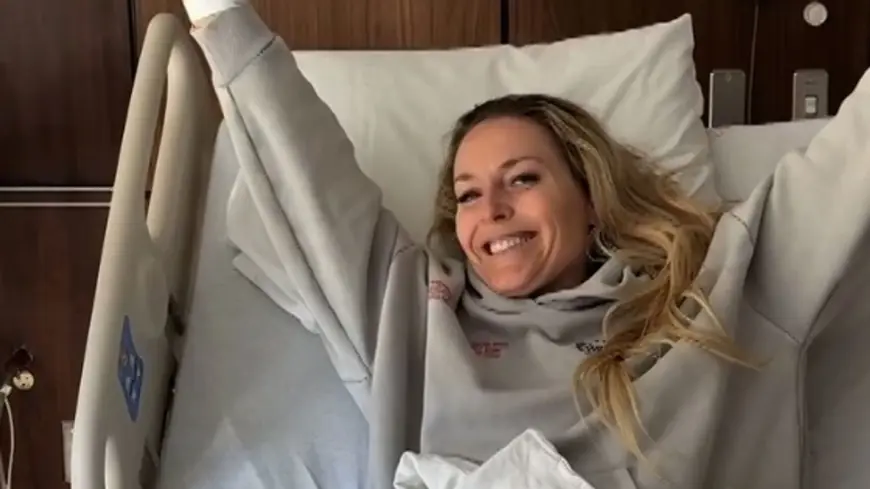
Who feels the impact first? Competitors, medical teams and viewers are already bearing the consequences of a high-intensity program: Lindsey Vonn has returned to the US after four operations on a broken leg sustained at the Games and — nine days after the crash — has not yet stood up. At the same time, the 2026 winter olympics freestyle skiing calendar presses on with finals and national lineups that will shape medals and recovery timelines for athletes and their teams.
2026 Winter Olympics Freestyle Skiing — who is immediately affected
Medical fallout and competitive schedules collide: an athlete who underwent four operations is now back home and still immobile less than two weeks after the incident, while other skiers head into finals with little margin for error. Here’s the part that matters for athletes and support staff — recovery windows are tight during the Games, and that reality changes coaching decisions, team logistics and what viewers get to see in real time.
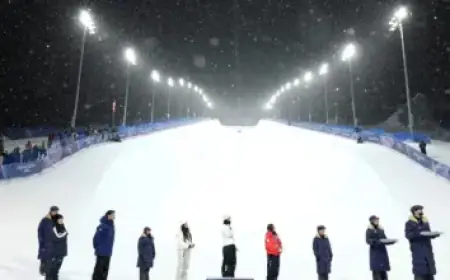
Several named competitors are directly in focus within the freestyle skiing program. A 22-year-old, five-time Olympic medalist who represents another country is slated to compete in the women’s freestyle skiing halfpipe final, one of her three events at these Games. Other skiers who progressed from qualifying include athletes who placed eighth and 12th in qualifying and will contest the halfpipe final alongside her. Team entries from the host nations include competitors in men’s ski cross and women’s freeski halfpipe.
What’s easy to miss is how quickly one medical emergency reshuffles priorities inside an Olympic village — teams juggling treatment, transport and roster decisions often do so under public-facing schedules that are still unfolding.
Event snapshots and schedule details (UK time)
- Freestyle skiing — 09. 45am: mixed team aerials (final)
- Freestyle skiing — 12. 10pm: men’s ski cross (final)
- Freestyle skiing — 6. 30pm: women’s freeski halfpipe (final)
All times here follow the event guide’s listing in UK time (GMT), which is noted as one hour behind the local time used at the venues. The program pairs technical, judged events such as mixed team aerials and halfpipe with head-to-head racing like ski cross — a mix that concentrates injury risk and broadcast attention across a single day.
Broadcast access in the UK is split between free-to-air coverage for selected events and subscription platforms for full-event streaming, a choice that affects which audiences see the immediate aftermath of on-course incidents and which see the live, full slate of freestyle skiing finals.
Micro timeline (key verified points):
- Lindsey Vonn sustained a broken leg at the Winter Olympics and underwent four operations.
- She has returned to the US and, nine days after the crash, has not yet stood up.
- The Games continue with multiple freestyle skiing finals on the schedule, including the women’s freeski halfpipe final.
Stakeholders directly affected include injured athletes and their medical teams, fellow competitors who may be competing with limited recovery margins, national team staff managing entries, and audiences whose viewing experience depends on selective broadcast choices. The real question now is how teams manage athlete welfare while the medal clock keeps ticking.
Signals that will clarify the next turn: official updates on athlete recovery and any changes to start lists or event access policies will confirm whether this phase of the Games favors uninterrupted competition or prompts adjustments for safety and coverage.
The bigger signal here is the tension between high-performance scheduling and immediate medical needs — a dynamic that will shape perceptions of these freestyle skiing events long after the medals are awarded.