






















USA 6, Slovakia 2: U.S. Into Gold Medal Ice Hockey Final Against Canada

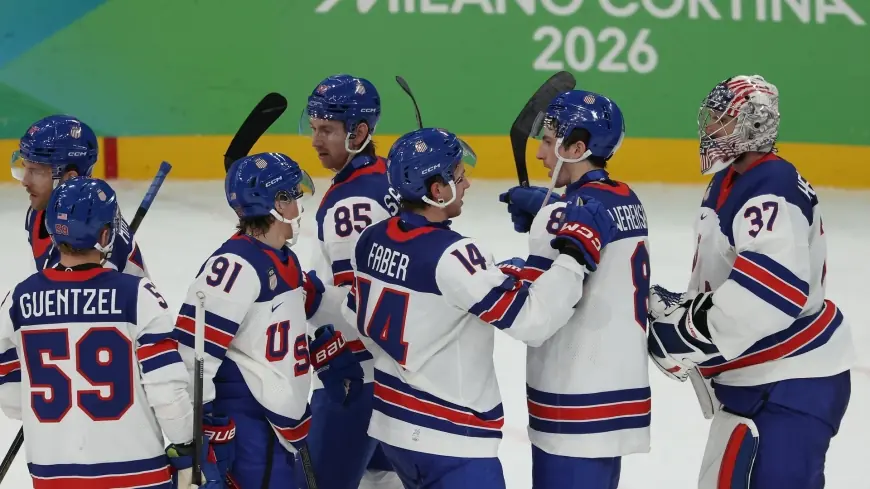
Team USA beat Slovakia 6-2 in the men's ice hockey semifinals at the 2026 Winter Olympics, advancing to the gold medal game against Canada. The result matters now because it sends the Americans into their first Olympic gold-medal match since 2010 and sets up a headline-grabbing final slated for Sunday at 8: 10 a. m. ET.
Ice Hockey: Development details
The U. S. victory was decisive in the scoring column. Jack Hughes scored twice, while Dylan Larkin, Tage Thompson, Jack Eichel and Brady Tkachuk each added a goal to produce the 6-2 final. Slovakia’s goals came late in the game, with Juraj Slafkovský and Pavol Regenda scoring in the third period.
There were key in-game developments that will reverberate into the final. Tage Thompson left after the second period with a lower-body injury and did not finish the match. Head coach Mike Sullivan said he anticipates Thompson being ready for the gold medal game. The coaching staff already has a contingency in place: if Thompson is unavailable on Sunday, the extra forward listed is Kyle Connor.
Discipline was an issue for the Americans early, as the team took four penalties in the first 30 minutes. Slovakia’s power play failed to capitalize on most of those opportunities; for several chances the visiting team struggled to establish a net-front presence and were held without a shot on goal on the initial power-play chances.
Context and pressure points
The win advances the United States to the Olympic final for the first time since 2010, a notable return to the top stage at this tournament. Canada had already beaten Finland earlier to reach Sunday’s final, setting up a matchup that one U. S. player described as between the two best teams in the tournament.
Individual milestones and team narratives added stakes to the result. Jack Hughes’s two goals gave him three goals and eight points in five games for the tournament after being moved into a more prominent lineup role. Quinn Hughes moved within one point of tying the all-time record for points by a defenseman in Olympics with NHL participation; his secondary assist on Thompson’s power-play goal brought his tournament assist total to six, adding to an earlier overtime goal that eliminated Sweden. He has registered points in all five U. S. games, a five-game streak that ties an existing U. S. Olympic mark for tournaments featuring NHL players.
What makes this notable is how the game combined offensive depth with durability questions—strong scoring balanced against a late-game injury and early penalties that could demand tactical adjustments for the final.
Immediate impact
The immediate beneficiaries are the U. S. players and staff, who secure a shot at gold, and fans who will see a marquee final on Sunday. For Slovakia, the loss ends the tournament run in the semifinals, with scoring only materializing late and special teams unable to convert when given the chance.
Personnel decisions will be under scrutiny in the days before the final. Thompson’s status is a central concern for the U. S. roster, but the coach’s expectation that he will be available and the presence of an identified extra forward reduce uncertainty. For Canada, attention will turn to their power-play package, which features several of the tournament’s top offensive talents and was flagged by U. S. coaches as a potential matchup concern.
Forward outlook
The confirmed next milestone is the gold medal game on Sunday at 8: 10 a. m. ET. Team USA will prepare with the practical constraints of recovery and lineup decisions; the head coach has expressed optimism about key players’ readiness. Quinn Hughes remains one point shy of the defenseman scoring record in NHL-participation Olympics, a personal milestone that could be settled in the final.
In the short term, the schedule is clear and the stakes are established: the final is set and the teams will have limited time to manage health and special-teams tactics. The timing matters because both on-ice adjustments and player availability over the next days will directly shape who skates for gold on Sunday.