
























U.S. Jets Intercept Russian Fighter Jets and Bombers off Alaska Coast

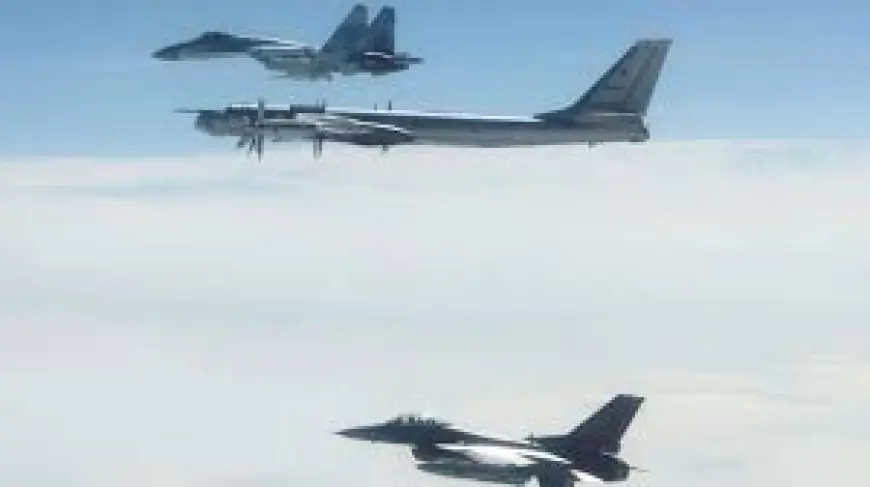
U. S. fighter jets were scrambled Thursday to intercept multiple Russian aircraft off the western coast of Alaska near the Bering Strait, an action that matters because it demonstrates continued routine military activity in the Alaskan Air Defense Identification Zone. The mix included russian fighter jets along with long-range bombers and a spy plane tracked within the ADIZ, and U. S. aircraft escorted the formation until it left the area.
Russian Fighter Jets Escorted from the ADIZ
Two Tu-95 bombers, two Su-35 fighter planes and an A-50 reconnaissance aircraft were detected operating in the Alaskan Air Defense Identification Zone, NORAD said. U. S. jets launched to intercept and then escort the Russian formation until the foreign aircraft had departed the ADIZ. NORAD posted photos showing the aircraft as they were being monitored and escorted out of the region.
NORAD response and assets deployed
NORAD launched a mix of fighters and support planes to identify and escort the Russian formation: two F-16s, two F-35s and four KC-135 tankers were among the aircraft deployed. Some accounts also listed an E-3 airborne warning and control aircraft as part of the response. The U. S. aircraft tracked and identified the Russian planes and maintained an escort profile until the group left the ADIZ.
Pattern of repeated ADIZ encounters and what comes next
NORAD characterized the activity in the Alaskan ADIZ as a recurring occurrence that was not considered a threat. The intercepted aircraft remained in international airspace and did not enter U. S. or Canadian sovereign airspace. Similar interceptions have taken place in recent years, including encounters that prompted scrambles in previous months and a close-range encounter shown in video in 2024.
If this pattern continues, routine intercepts and escorts are likely to remain part of air-defense operations in the region. Observers should watch for future ADIZ activity and official statements about the composition of foreign flights; continued use of long-range bombers combined with fighter and reconnaissance support will likely keep NORAD on regular alert in the area.