




















Usa Hockey Score: Keller's Overtime Winner Recharges Farmington Hills and Signals Momentum for U.S. Women's Hockey

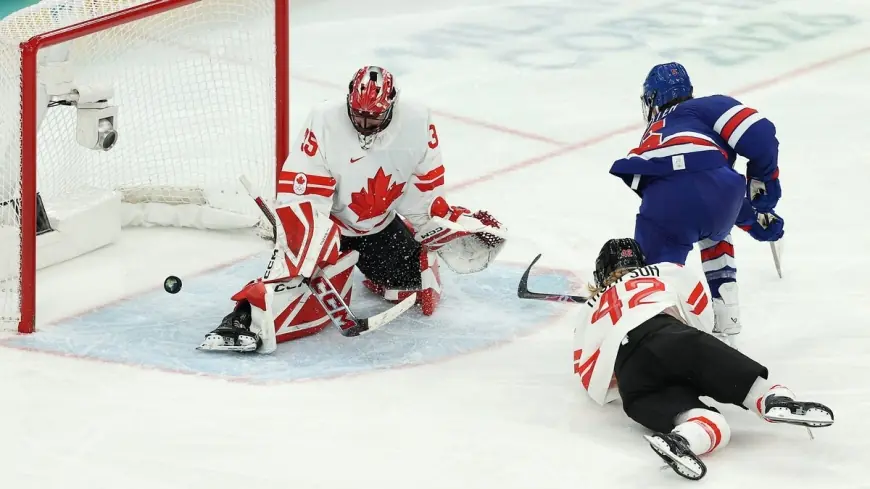
The local impact landed before the confetti did: the usa hockey score — a 2-1 overtime victory — is already being measured in renewed attention and pride across Farmington Hills and among players who grew up alongside Megan Keller. Here’s the part that matters: this isn’t just an Olympic headline, it’s an active boost for youth associations, familiar faces in pro hockey, and the visibility of the women's game, with teammates and former youth coaches feeling the effects most immediately.
Usa Hockey Score and local impact: teammates, youth programs and recognition
Keller’s overtime goal — which clinched a 2-1 gold-medal result — landed as a personal milestone (her second gold) and a community moment. Alex DeBrincat, a longtime youth teammate, and Todd McLellan, whose son played with Keller, watched closely, and their reactions underline who will feel the lift first: local youth players, volunteer coaches, and family networks tied to Farmington Hills hockey.
What’s easy to miss is how tightly these personal connections translate into momentum: when recognizable local names celebrate a high-profile Olympic play, it feeds interest at rinks, drives conversation among parents and recruits attention for weekend clinics and house-league enrollment. The immediate signals to watch inside the community are increased attendance at local practices and a spike in enthusiasm among players who shared early ice time with Keller.
Event details embedded: the finish, defensive dominance and the watching crowd
The victory itself combined defensive steadiness with a dramatic finish. The U. S. allowed only two goals across seven wins and needed a late regulation equalizer before Keller’s overtime move sealed the gold. That mix — a tight defensive tournament and a game-ending individual play — framed the narrative for those who had seen Keller’s development from youth hockey into an Olympic-clutch performer.
Personal threads ran through the moment. DeBrincat recalled shared youth seasons in Farmington Hills and longtime familiarity with Keller’s family; McLellan reflected on watching Keller play up an age group and stand out on boys’ teams, noting her commitment and leadership from early on. For them and others in the local network, the win read less like a distant national triumph and more like a confirmation of a path they helped shape.
- Final line reflected in community memory: 2-1 overtime win.
- Tournament pattern: only two goals allowed across seven victories.
- Personal milestone: Keller secured a second gold in her third Olympic appearance.
DeBrincat’s reaction emphasized pride in seeing a childhood teammate reach elite moments, and McLellan’s perspective highlighted a coach’s eye for early talent. If you’re wondering why this keeps coming up in local conversations, it’s because those specific ties make the national event feel proximate and actionable for Farmington Hills hockey organizers.
The real question now is how lasting the lift will be. Early indicators for the next season might include higher youth turnout, requests for more girl-specific programming, or local alumni involvement in clinics — all natural follow-ons when community figures are spotlighted by an Olympic finish. Those are plausible downstream effects anchored in the connections already described.
It’s easy to overlook, but the combination of defensive tournament performance and a single high-profile offensive moment often resets narratives about program depth and player development. The story here is both personal and systemic: a hometown player’s success feeding attention back into the grassroots systems that helped produce her.
For readers in Farmington Hills and similar communities, the usa hockey score is more than a tally: it’s a prompt to re-engage with youth hockey structures, celebrate local role models, and consider how volunteer coaches and early teammates contribute to high-performance outcomes on the biggest stage.