























Canada Hockey Olympics ripple: Local programs, Bishop Kearney grads and youth teams react to U.S. OT gold

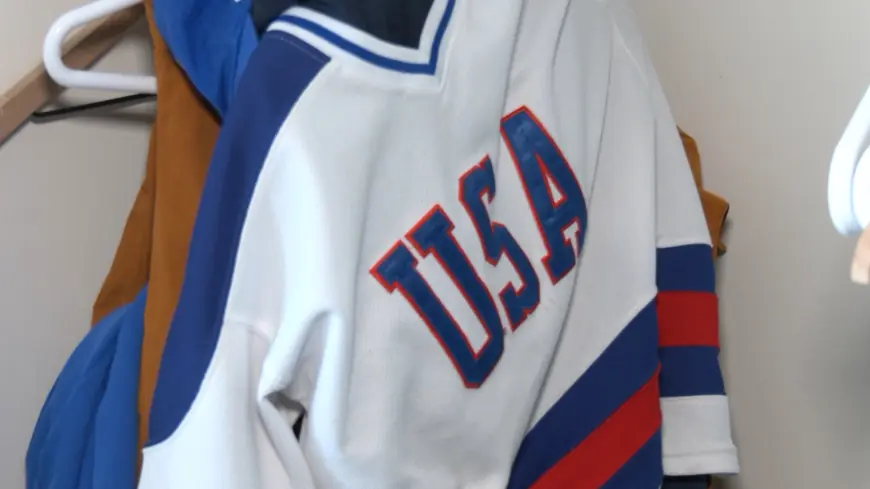
The immediate fallout from the Canada Hockey Olympics final landed hardest on community rinks and one alumni network: five graduates of a single prep program are now Olympic gold medalists, and a youth coach and his players watched and reacted on live television. Here’s the part that matters: grassroots programs and young players who look to elite role models will feel this result first, altering recruitment chatter and the emotional energy around local teams.
Canada Hockey Olympics shockwaves reach youth clubs and alum networks
For coaches and young players, an Olympic final decided in overtime is not just a headline — it becomes a conversation starter in locker rooms, tryouts and local boards. The team impact is visible in two concrete ways noted after the game: an active youth coach and his squad publicly reacted on a national morning broadcast, and five alumni from one school returned home as gold medalists after the overtime victory over Canada. If you’re wondering why this keeps coming up, it’s because visible success at the top of the sport compresses years of development into a single inspirational moment for aspiring players.
- Five graduates from a single prep program were on the gold-winning roster: a defender from Webster (Haley Winn), a defender from New Hampshire (Caroline Harvey), a forward from Ohio (Laila Edwards), a forward from Michigan (Kirsten Simms) and a goalie from Pennsylvania (Ava McNaughton).
- Those graduates described intense emotions after the victory and emphasized team unity and pride.
- A youth coach named Andy Mandel and his team joined a national morning broadcast to react to the U. S. women’s gold medal at the 2026 Winter Olympics.
What’s easy to miss is the way a cluster of alumni from one program magnifies that program’s profile in recruiting conversations; five gold medalists from the same school will be shorthand in the coming months for a successful development pathway.
Game details framed by consequences rather than play-by-play
The final finished tied 1-1 at the end of regulation and was decided in overtime when Megan Keller scored the winning goal, handing the U. S. the gold in a matchup with Canada. Rather than rehashing each shift, consider the immediate effects: coaches at the grassroots level will use this win to motivate athletes and justify investment in girls’ programs; prep programs with alumni on the roster will see increased attention from families weighing relocation for development.
Embedded timeline (compact):
- Regulation ended 1-1.
- An overtime goal by Megan Keller decided the final in favor of the U. S.
- Local reactions included on-air celebrations from a youth coach and a watch party where Bishop Kearney staff and families gathered.
League organizers and program directors will likely track several forward signals to measure the longer-term effect: spikes in registrations at girls’ youth programs, upticks in applications or inquiries to the prep school connected to the alumni, and whether other local teams replicate practice patterns or partnerships highlighted in post-game interviews. The real question now is how sustained that attention will be once the Olympic games recede from the headlines.
Several graduates highlighted the emotional weight of the achievement and the close-knit nature of their group; one called the moment "unreal" and several described the team as the best group they’ve been part of. The prep program itself has a history of drawing players from overseas, with alumni having represented other national teams in the tournament, illustrating the program’s international scope.
From an operational standpoint, expect discussions at club levels about coaching resources, travel opportunities for elite exposure, and how to balance development with keeping youth hockey accessible. If your local board is debating budget priorities, this Olympic finish is the sort of high-visibility event that will be cited in those meetings.
Writer’s aside: The bigger signal here is how concentrated success — multiple alumni from one school winning together — becomes a recruitment and narrative tool that can change local program dynamics without any formal policy changes.
Key indicators to watch in the short term: registration numbers at girls’ programs, inquiries to the prep school connected to the alumni, and whether youth coaches publicly shift practice emphases to mirror techniques or attitudes highlighted after the final. Recent updates indicate community reaction is active; details may evolve as clubs and schools respond.