























Measles Outbreak: Rising cases in north London boroughs as vaccination gaps leave children exposed

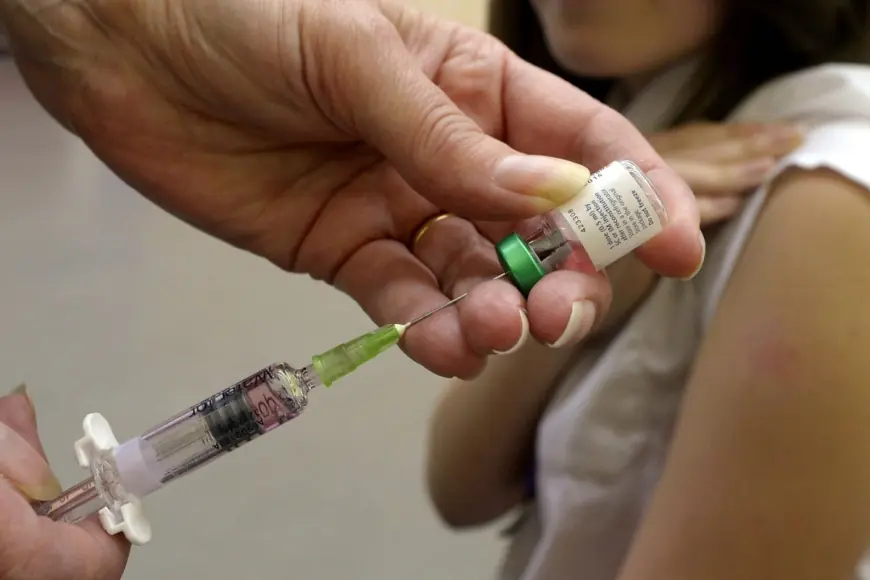
The Measles Outbreak in north London has intensified, with new confirmed infections centred in Enfield and newly identified cases in neighbouring Haringey, raising concerns about spread in schools and nurseries and exposing gaps in childhood vaccination coverage.
What happened and what’s new in the Measles Outbreak
Figures from the UK Health Security Agency show recent increases in cases concentrated in the Enfield area. In the past week there were 16 new cases recorded in Enfield and 10 new cases in adjacent Haringey. Across London, 88 cases have been recorded since the start of the year, and national figures show 130 confirmed cases in England in the period between January 1 and February 16, with 34 of those identified between February 12 and 16. Within Enfield borough boundaries, 50 confirmed cases have been identified.
Health officials say the outbreak is mainly affecting unvaccinated children under 10 in schools and nurseries. The UK’s childhood vaccination uptake for 2024–25 averaged 83. 7% in England, but was substantially lower in London at 69. 6% and in Enfield at 64. 3%. Separate figures show 65% of children in Haringey and 58. 3% in Hackney had received both doses of the vaccine in 2024–25. Public health authorities have already taken steps such as warning parents that unvaccinated children who were contacts may be excluded from school, and teams are delivering vaccination programmes into communities and places of worship and offering catch-up clinics.
Behind the headline
The outbreak follows a backdrop of declining vaccination coverage in parts of England and structural barriers to delivering routine jabs at school entry. Investigations and local public-health activity point to multiple drivers: misinformation circulating online; complacency among some parents; and instances where schools have not allowed access to immunisation teams or have not shared lists of children needing vaccination. Separate public-health data for the recent period show that a significant share of cases were in unvaccinated children, and international health bodies have noted the UK no longer meets measles elimination status after a large number of cases in the previous year.
Key stakeholders include children and families in affected boroughs, primary and early-years schools and nurseries, local councils, vaccination teams working with the NHS and the national public-health agency, and community groups involved in outreach. Local authorities are mobilising resources and working with healthcare partners to limit spread, while immunisation teams are being deployed to targeted locations.
What we still don’t know
- Exact current case numbers: laboratory-confirmation lags mean the true total may be higher than the confirmed figures.
- Severity breakdown for recent cases, including how many confirmed infections required hospital care beyond those described as hospitalised.
- Full extent of school access denials in the boroughs currently most affected and the specific schools involved.
- Whether vaccinated children who became ill were fully immunised well before exposure or recently vaccinated.
- Precise timelines for the wider vaccination campaign being rolled out and targets for raising uptake locally.
What happens next
- Containment and catch-up: intensified community outreach and on-site vaccination in schools and places of worship could raise coverage and blunt spread; trigger: visible increase in local uptake or mobilisation of additional vaccination teams.
- Local spread to neighbouring areas: councils already expect the outbreak may reach neighbouring boroughs and counties; trigger: rise in confirmed cases beyond current borough boundaries and continued low coverage in nearby communities.
- Exclusion policies and school disruption: more children who are not fully vaccinated and are contacts may be excluded from school to limit transmission; trigger: further exposure events in school settings.
- Higher confirmed totals as testing catches up: laboratory reporting delays could push published totals higher in the short term; trigger: additional confirmations from pending tests.
- Targeted policy responses: if pockets of refusal or blocked access to immunisation persist, local authorities may increase targeted communications and partnerships with community organisations; trigger: identified clusters where teams were denied entry or records were not shared.
Why it matters
Near-term, the outbreak threatens disruption in schools and risks more children becoming ill with a disease that can cause serious complications. Low local vaccination coverage reduces herd immunity and makes classrooms and playgrounds high-risk settings. For public-health services, responding requires mobilising personnel for outreach and catch-up clinics while managing testing and hospital pressures. Longer term, persistent gaps in routine immunisation uptake could sustain transmission cycles and complicate efforts to restore measles elimination status at national level.
Close monitoring of case confirmations, vaccination uptake in targeted neighbourhoods, school access for immunisation teams and the severity profile of new infections will be critical to judging whether containment measures are working and where to focus further resources.