





















Boeing Starliner Failure Draws Scathing NASA Judgment in Final Investigation

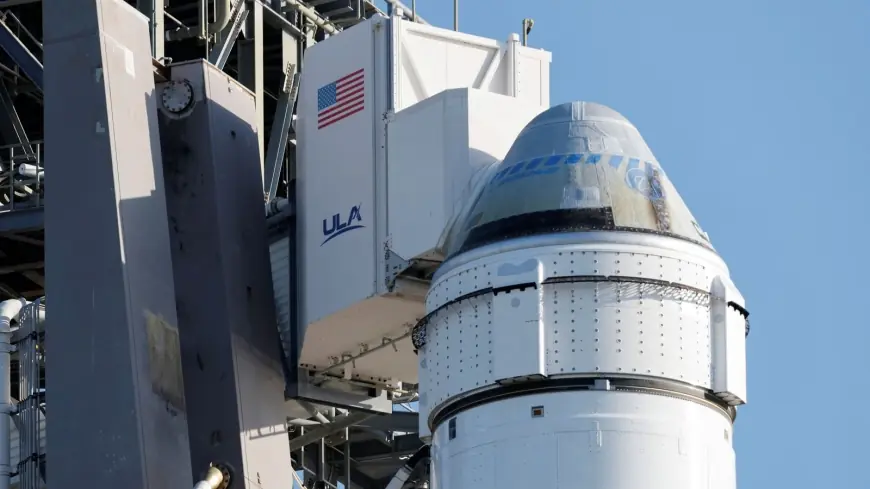
The boeing starliner failure has been formally classified as a Type A mishap, NASA announced after a Program Investigation Team completed its work in November 2025, a designation reserved for the agency's most serious incidents.
Mission timeline: from a short test flight to an extended crisis
Starliner launched on June 5, 2024, on what was planned as an eight-to-14-day crewed test flight to the International Space Station, the investigation found; propulsion system anomalies then extended the mission to 93 days and forced the spacecraft's return to land at White Sands Space Harbor in New Mexico in September 2024.
During the approach to the station, the spacecraft experienced a loss of maneuverability but regained control prior to docking, and the vehicle was later returned to Earth without the two NASA crew members aboard. The astronauts, Butch Wilmore and Suni Williams, came back to Earth on a subsequent SpaceX Crew-9 flight in March 2025.
Boeing Starliner Failure: what the report found
Investigators concluded the boeing starliner failure stemmed from an interplay of combined hardware failures, qualification gaps, leadership missteps and cultural breakdowns that created conditions inconsistent with NASA's human spaceflight safety standards, the report states. The agency classified the test flight as a Type A mishap because of the loss of the spacecraft's maneuverability and the financial damages incurred.
NASA Administrator Jared Isaacman said the technical difficulties during docking were "very apparent" and emphasized the need for transparency and corrective action; he announced that NASA will accept the report and hold leadership accountable. The Program Investigation Team completed its report in November 2025 after a review that included ground testing at the White Sands Test Facility.
Immediate consequences and ongoing fixes
The final report makes clear the mission shifted from a short validation flight into a months-long recovery and review: the spacecraft returned in September 2024, investigators worked for 18 months to identify root causes, and NASA and Boeing have been collaborating on corrective actions since the vehicle's return. NASA said it will not fly Starliner again until the technical challenges and investigative recommendations are fully addressed.
As part of the agency's response, NASA noted that programmatic objectives—specifically having two providers able to transport astronauts to and from orbit—had influenced engineering and operational decisions before and during the mission, a factor cited in the team's findings. The agency also described the incident as having presented the potential for a significant mishap even though there were no injuries and control was regained before docking.
With the investigation closed, NASA will work with Boeing to implement the report's recommendations and complete the remaining technical root-cause work before returning Starliner to flight,. The next confirmed step is the continued joint effort to resolve the identified issues prior to scheduling any new Starliner missions.