


















Brady Tkachuk: Hughes Brothers Propel U.S. Men Into Olympic Semifinals After Quinn’s Overtime Winner

brady tkachuk is not referenced in the available coverage examined here; the immediate news centers on Jack and Quinn Hughes, whose combined efforts in the quarterfinals sent the U. S. men’s hockey team into the semifinal round at Milan Cortina 2026. That victory matters because it sets the stage for a semifinal matchup at Santagiulia Arena on Friday at 3: 10 p. m. ET.
What happened and what’s new
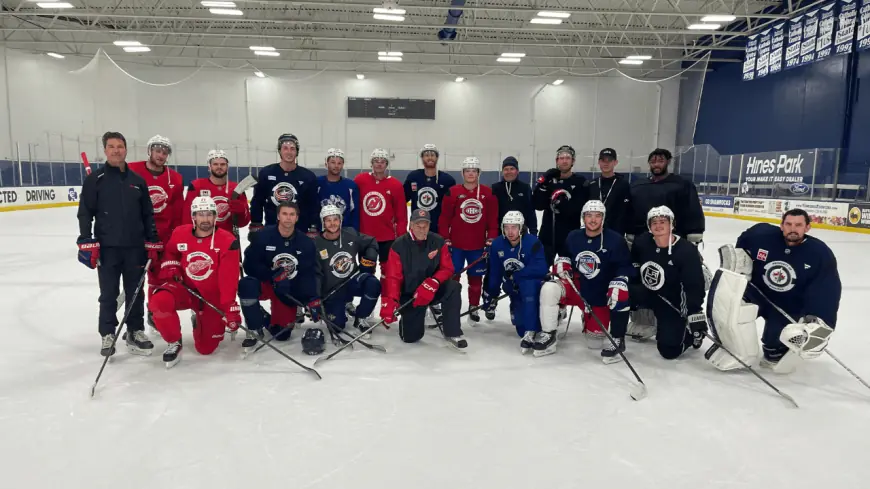
The U. S. men advanced after an extended quarterfinal game in which Jack and Quinn Hughes helped create the opening goal and Quinn delivered the overtime winner. Through four tournament games, Quinn leads the U. S. with six points — a mix of a goal and multiple assists — while Jack has contributed four points with balancing goal and assists production. The men’s roster that reached this stage includes several players who also participate in summer skates organized at a Michigan training facility run by the Hughes family.
Separately, the broader Hughes family presence at the Games extends beyond the men’s bracket: Ellen Hughes is working with the U. S. women’s program, which secured a gold medal with an overtime victory over Canada. Jim and Ellen have hosted and trained a variety of players from multiple national teams, and Jim continues work in player development, running summer skates designed to prepare players for professional seasons. That program routinely attracts a core group of NHL players who train together in the off-season.
Brady Tkachuk and the roster conversation
The material used for this synopsis highlights a set of recurring names tied to the Hughes family’s training environment and the U. S. Olympic roster. Brady Tkachuk is not listed among the players named in these pieces; the focus in the available coverage remains on Jack and Quinn Hughes and a roster that includes several other NHL figures who have participated in the Hughes family’s summer sessions.
What we still don’t know
- Detailed line combinations and defensive pairings that will be used in the semifinal are not published in the reviewed material.
- Specific health or recovery updates for individual players beyond the noted tournament availability are not provided.
- How national-team coaching staffs will adjust tactics against Slovakia in the semifinal has not been disclosed.
- Any roster decisions after the quarterfinals, including potential adjustments for the remainder of the tournament, remain unannounced.
- The longer-term competitive or contractual implications for players who shone in Milan Cortina are not outlined in the coverage provided.
What happens next
- U. S. victory in the semifinal: The team advances to the gold-medal game; continued strong play from Jack and Quinn could further elevate their tournament standing and public profile (trigger: semifinal win at Santagiulia Arena).
- U. S. loss in the semifinal: The team would move to the bronze-medal contest; individual performances would be evaluated in the shorter-term consolation context (trigger: semifinal loss).
- Lineup or strategy changes ahead of the semifinal: Coaching adjustments could be made in response to opponent strengths or player form observed in the quarterfinal (trigger: pregame roster announcement or lineup reveal).
- Increased attention on the Hughes training program: Continued tournament success by participants could draw further interest in off-season development sessions run by Jim and Ellen (trigger: standout performances by program alumni).
Why it matters
The immediate practical impact is competitive: the U. S. men’s progression to the semifinal keeps medal hopes alive at Milan Cortina 2026 and gives prominent NHL players additional high-profile international minutes. For the Hughes family, the twin roles of parent and coach amplify both responsibility and visibility; their off-season development work intersects with national-team preparation in ways that can influence performance and player relationships. For fans and talent evaluators, the tournament offers a concentrated environment to assess how players perform under Olympic pressure, which can affect reputation and, in some cases, professional evaluations after the Games.
Brady Tkachuk remains outside the set of names discussed in these accounts, while Jack and Quinn Hughes continue to occupy headlines for their on-ice contributions and their family’s broader influence on player preparation.