






















Supreme Court Rejects Broad Emergency Tariffs; Michigan Owner Says Ruling Offers Relief

On February 20, 2026 the supreme court struck down most of the sweeping tariffs the president imposed under a 1977 emergency powers law, a decision that immediate political and commercial consequences. The ruling matters now because affected companies and consumers face unresolved questions about refunds and next steps while the White House signaled it would pursue an alternative tariff plan.
What happened and what's new at the Supreme Court
The Supreme Court handed the administration a major legal defeat by finding the president lacks authority under a 1977 emergency powers statute to impose the broad set of tariffs that had been applied to nearly all U. S. trading partners. The court struck down most of the tariff program on Friday, February 20, 2026.
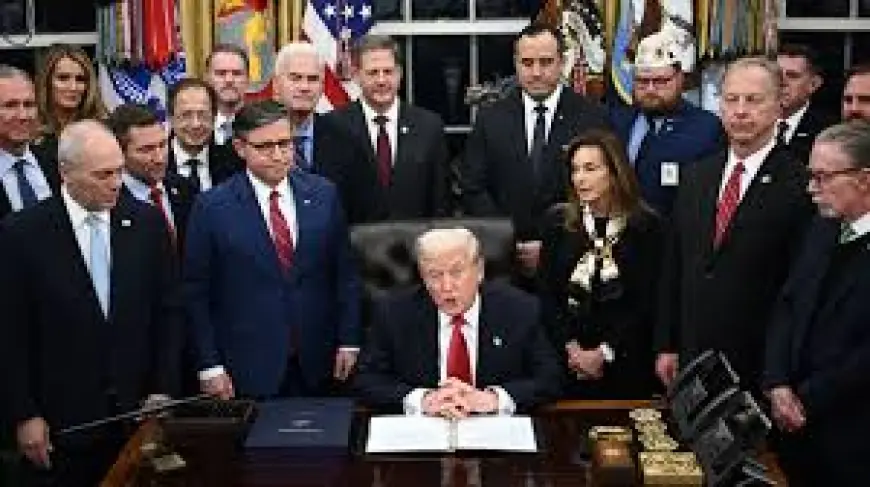
In response, the president described the decision as "deeply disappointing" and announced an intention to impose a 10 percent global tariff. He also criticized six justices who blocked the policy and said he was "ashamed of certain members of the court" for their vote.
Behind the headline
Context: The court's decision directly challenges a recent executive action that had applied broad tariffs under an emergency statute from 1977. That action had been justified by the administration as permissible under emergency authority; the court disagreed, removing that legal basis for the tariffs.
Incentives and constraints: The administration faces a choice between pursuing alternative trade measures—such as the 10 percent global tariff the president announced—or seeking new statutory authority from Congress. Businesses and consumers are immediately focused on price and legal remedies. At the same time, the absence of a clear refund mechanism constrains near-term relief for entities that paid the levies.
Stakeholders: Companies that paid the tariffs, consumers who bore higher prices, the administration seeking trade policy tools, and courts that will handle follow-on litigation are all central actors. In Michigan, the CEO of an auto parts firm described the ruling as a personal and commercial relief and said it could yield millions returning to his business. A candidate running for Congress in Michigan framed the outcome as evidence that Congress had not asserted its constitutional authority over trade.
What we still don't know
- Whether and how companies that collectively paid substantial tariffs will obtain refunds—this remains unresolved and was not addressed by the court.
- The legal timeline and likely duration for refund litigation—commentary from the president suggested it could take years, but outcomes are unconfirmed.
- How the administration intends to implement the announced 10 percent global tariff and whether that measure will face immediate legal challenges.
- Any congressional response or new legislation to clarify trade authority is not yet detailed.
What happens next
- Administration proceeds with announced 10 percent global tariff: The president has said he will impose that tariff; implementation would test whether a different executive approach withstands legal scrutiny.
- Companies pursue refunds through the courts: Affected firms, including at least one Michigan company with an existing lawsuit, may press separate cases seeking reimbursement; litigation timelines could be lengthy.
- Congress considers action: Lawmakers could choose to assert trade authority through new legislation, though no specific measures have been identified in the available facts.
- Market and consumer adjustments: Firms that reported higher costs and lower profitability during the tariff period may seek price and supply-chain reversals; consumer price relief depends on refund mechanics and future policy choices.
Why it matters
The ruling reshapes a recent executive trade initiative and immediately affects businesses and consumers who paid the tariffs. A Michigan auto-parts CEO said the decision could return millions to his firm and relieve consumers who had faced higher prices. Another observer running for Congress argued the outcome highlights a constitutional allocation of trade authority to the legislature.
Near-term implications include uncertainty over refunds and the possibility of new executive or legislative actions. The legal and commercial processes that follow will determine whether the financial impacts of the tariff period are reversed and how trade policy is set going forward.
Notes: The court's decision was announced on February 20, 2026. The administration has announced a 10 percent global tariff option and said refunds could take years to adjudicate; businesses and litigants have indicated plans to pursue further legal remedies.