
















Wes Rucker, Tennessee sports reporter who covered the Vols, dies after multivehicle I-40 crash

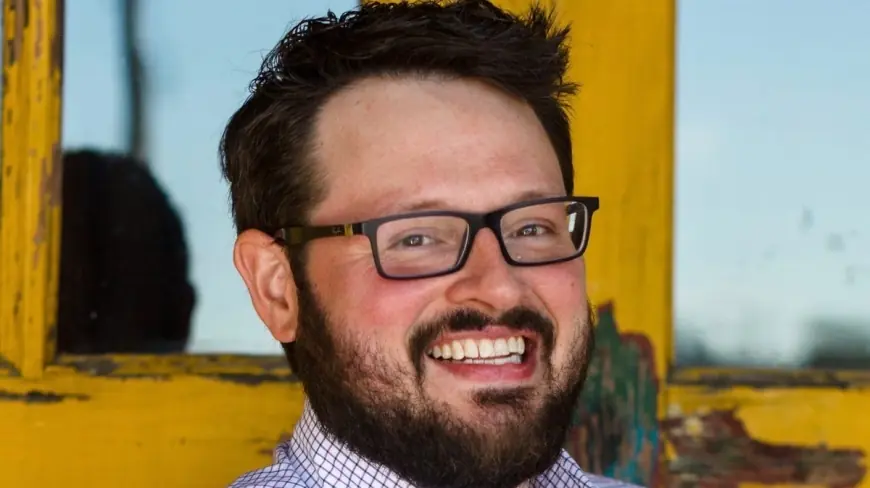
Longtime Tennessee sports journalist Wes Rucker died in a multivehicle car crash on Interstate 40 West near Cedar Bluff on Feb. 19. The death of Wes Rucker, 43, has brought mourning from colleagues, fans and members of the University of Tennessee athletics community.
Wes Rucker: What happened and what’s new
Wes Rucker was the only fatality in a five-vehicle collision on Interstate 40 West near Cedar Bluff, the Knoxville Police Department said in a news release sent Feb. 20. The crash began when a driver rear-ended a stopped vehicle, setting off a chain reaction that ended when a large pickup truck ran over one of the cars involved. Rucker was pronounced dead at the scene and police are investigating the crash.
Rucker was 43. His father-in-law, David Goldberg, confirmed the death in a social media post. Tributes and condolences from colleagues, Tennessee athletics and fans followed in the immediate aftermath.
Rucker had covered the University of Tennessee’s teams since 2000, working in multiple roles and media formats. He most recently served as a writer and host at a television station in Knoxville. He announced on Dec. 31 that he and his wife, Lauren, were expecting a second child in May; their son Hank was mentioned in that announcement. In 2015, Rucker publicly chronicled a stroke he suffered at age 32, his recovery from partial paralysis and ongoing migraine symptoms while continuing to cover the sports he loved.
Behind the headline — context, stakeholders and constraints
What led here: the immediate cause of death is the multivehicle collision on I-40 West described in the police news release. The mechanics described in that release place responsibility for the initial collision on a vehicle that rear-ended a stopped car, which then triggered subsequent impacts including a large pickup running over another car.
Key stakeholders and incentives:
- Family: direct emotional loss and private recovery needs for Rucker’s wife and children; the expected child due in May amplifies personal stakes for the family.
- Law enforcement and investigators: Knoxville Police Department is leading the crash investigation and will seek to establish sequence, contributing factors and any legal culpability.
- Employers and colleagues: the television station where Rucker worked, and the broader Tennessee sports media community, face reputational and operational impacts and are coordinating public statements and remembrances.
- University athletics and fans: a local sports beat loses a long-tenured reporter with deep ties to the community and routine access to teams and staff.
Constraints: an active police investigation limits what investigators and officials can publicly confirm about contributory causes such as impairment, speed, weather or mechanical failure. Family privacy needs and pending investigative findings will shape how much detail emerges in the near term.
Consistent facts across available accounts: Rucker’s age, the crash location on I-40 West near Cedar Bluff, that five vehicles were involved, that Rucker was the sole fatality and that he was pronounced dead at the scene. Differences or unconfirmed elements include precise contributing factors beyond the initial rear-end impact and whether any criminal charges or citations will follow; those remain under investigation.
What we still don’t know
- Whether impairment, distraction, speed, vehicle defects or road conditions played a role in the initial rear-end collision.
- Whether any drivers involved will face charges or citations as a result of the ongoing police investigation.
- Exact timeline and sequence of each vehicle’s movement in the moments before impact beyond the broad chain-reaction description in the news release.
- Details about memorial services or public events for Rucker and his family’s plans in the coming days.
What happens next — realistic scenarios and triggers
- Police complete a formal crash investigation and publish findings or file charges if evidence supports legal action; trigger: release of investigative report or charging documents.
- Family announces funeral or memorial plans and details for tributes; trigger: family statement or public notice.
- Civil actions or insurance claims emerge from parties involved in the collision; trigger: filings or insurance notices related to liability or damages.
- Local media and sports organizations organize tributes or establish memorials recognizing Rucker’s work covering the Vols; trigger: employer or athletic department announcements.
Why it matters
Near-term implications include an immediate loss of an experienced local sports journalist who had covered University of Tennessee athletics for more than two decades, disruption for the newsroom and coverage routines, and personal hardship for Rucker’s young family. The crash also underscores broader public safety and road-safety concerns on a major interstate corridor and places investigative focus on causal factors that could inform prevention measures.
For readers and the local community, the combination of Rucker’s public profile, his recent family announcement and his documented health challenges during recovery from a prior stroke has amplified both grief and public attention. Officials and the family are the primary actors who will shape what is learned and released next.