























Olympic Hockey: Canada’s late power-play strike reshapes the semifinal and propels its roster into the gold-medal game

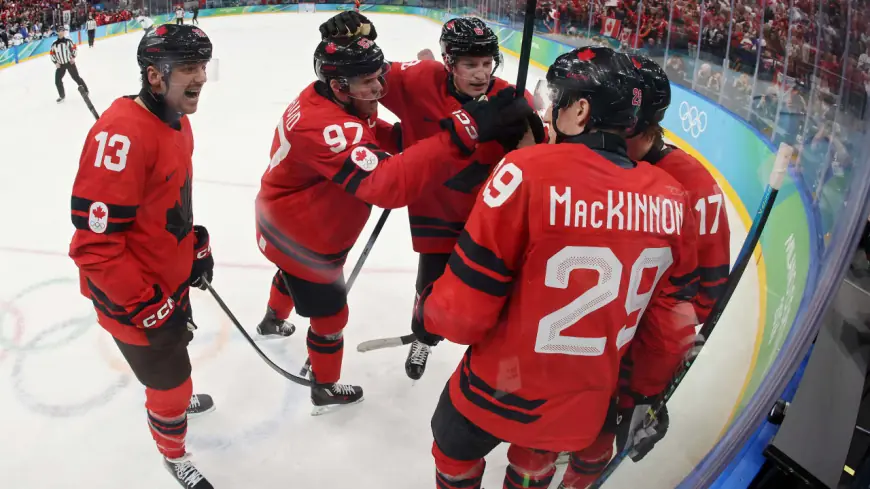
At the center of this Olympic Hockey moment is a single strategic choice — a premium power-play unit that turned pressure into a decisive goal. Nathan MacKinnon’s one-timer in the waning seconds delivered a 3-2 victory and sent Canada into the gold-medal game Sunday, but the immediate impact landed first on the players sent out, on Finland’s late-game chances, and on how coaches will think about special teams under tournament pressure.
Olympic Hockey ripple effects on players, matchups and roster strategy
Here’s the part that matters: the power play changed more than the scoreboard. Deploying a five-man unit that combined elite scorers and the tournament’s most productive defenseman concentrated offensive firepower into a single, high-leverage opportunity. That choice elevated certain players’ leverage for the final and compresses how the coaching staff can manage minutes and matchups in the final encounter.
- Power-play configuration: Canada started the late man-advantage with Nathan MacKinnon, Connor McDavid, Macklin Celebrini, Sam Reinhart and Cale Makar on the ice.
- Outcome: MacKinnon scored a one-timer from the left face-off circle with two seconds left on the power play (36 seconds left in regulation), producing a 3-2 win.
- Tactical payoff: The sequence showed intensive puck movement and multiple high-quality attempts before the finish — rapid attempts from both the points and circles kept Finland scrambling.
- Next signal to watch: how those top-line minutes are allocated in the gold-medal game and whether the same concentrated power-play deployment is repeated under pressure.
It’s easy to overlook, but that single sequence also underscored depth beyond the five on the ice: teammates were credited with winning wall battles and creating time and space immediately before the finish, a reminder that game-winning moments often rest on lesser-noted puck battles and positioning.
What unfolded on the ice (embedded detail, not a step-by-step recap)
With 2: 35 remaining in the third period, coach Jon Cooper put the premium group together for a power play. For nearly two minutes the unit circulated the puck at a high tempo: Reinhart had a chance early in the advantage that was stopped by Finland’s goalie, attempts came from Makar and MacKinnon at the point and face-off circle, and Celebrini was set up for a one-timer from the right circle. Those attempts created a succession of anxiety-filled moments before the final play.
The play that decided the game began as McDavid moved the puck across the middle toward MacKinnon in the left circle. A Finnish forward nicked the pass, sending it into the corner rather than clearing it. After winning that wall battle, MacKinnon received the puck and finished with a one-timer from the left face-off circle, securing the 3-2 victory at Santagiulia Arena and punching Canada into the gold-medal game Sunday.
Players and coaches afterward highlighted the group effort: teammates were credited with winning puck battles and setting up the flow that made the goal possible, and the scorer was singled out for being rewarded for the wall battle that preceded the finish.
Key takeaways for the next match: the final will open with Canada carrying both a momentum boost and a compressed ice-time profile for its top producers. The real question now is how opponent game plans will respond to a power-play group that showed both mechanical execution and resilience under pressure.
What's easy to miss is the combination of relentless pressure and tactical patience that produced the goal — it wasn't a single lucky bounce so much as a sequence of high-skill plays capped by winning a contested puck battle in the corner.