





















Gus Kenworthy Confronts Death Threats After Anti‑ICE Post — The Immediate Impact on His Olympic Bid and Team

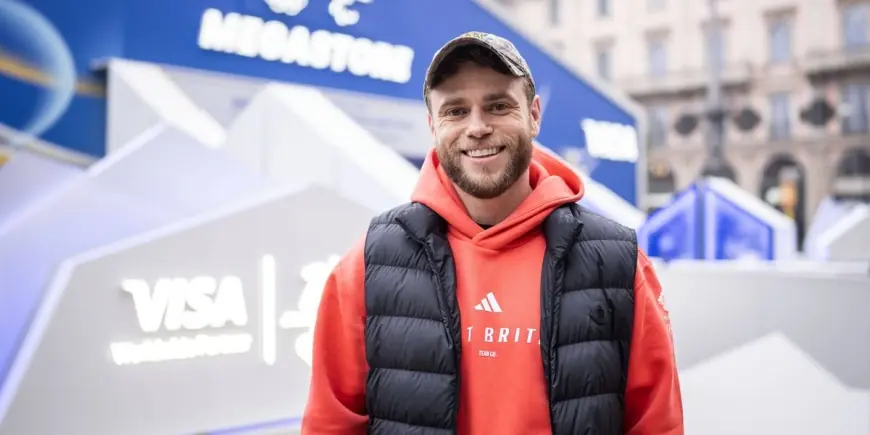
For athletes, criticism can be career‑disrupting; in this case the fallout touches safety, focus and team dynamics. Freestyle skier gus kenworthy — competing at his fourth Olympics for Great Britain — drew violent online threats after sharing a graphic post critical of the US immigration enforcement agency. The reaction has immediate personal consequences for him and ripples through a field where activism and athletic performance are increasingly entangled.
Gus Kenworthy: who feels the impact first and how it could change the Games
The clearest direct effect lands on Kenworthy himself: threats that he described as violent, scary and homophobic have forced him to balance personal safety concerns with competition. That tension can sap preparation and focus during the narrow window of Olympic competition. Teammates and fellow competitors are also affected by the distraction and the wider public conversations that follow high‑profile athletes taking political positions.
Here’s the part that matters for readers tracking the sport: an athlete under threat still has to perform within minutes and days of those incidents. The physical demands of freestyle skiing leave little margin for emotional upheaval, so even if Kenworthy treats the threats with scepticism, the psychological toll is a tangible competitive variable.
What’s easy to miss is that this episode is layered over an already complicated identity shift — Kenworthy competes for Great Britain though he grew up in the United States — which shapes how reactions land with different national audiences.
Event details and competition context
Kenworthy posted a graphic on Instagram that used an expletive before the word ICE; the post preceded the arrival at the Winter Olympics in Italy. After the post, he received death threats and said he considered himself to be on the right side of the issue while also taking the threats with a grain of salt. Earlier coverage notes two Minnesota residents, an intensive care nurse and another local, were killed by immigration officers in a case that sparked protests.
On the slopes, Kenworthy finished sixth in the halfpipe final at these Games. The podium was completed when Alex Ferreira won gold. Another American competitor, Hunter Hess, who had criticized immigration enforcement actions as well, placed 10th; Hess made a public gesture in qualifiers in reaction to a high‑profile political insult and later emphasized his commitment to being at the Games despite controversy.
Kenworthy’s career path is relevant here: he won an Olympic silver in slopestyle in Sochi, later switched allegiance to compete for Great Britain, and this appearance marks his fourth Olympic campaign. A recent return to competition after what had been described as a retirement reshaped expectations around his presence on the British team.
- Sochi: Olympic silver medal in slopestyle earlier in his career
- 2019: switched allegiance to compete for Great Britain
- Returned to competition after a period away and is now at his fourth Olympics
These timeline points underline why current controversies matter: they arrive against the backdrop of a noted career arc and a high‑visibility comeback.
- Immediate implication: Kenworthy must manage security and mental focus while competing.
- Affected groups include fellow athletes navigating activism, team staff handling logistics and the event’s public narrative.
- A confirming signal that this will reshape team dynamics would be visible changes in scheduling, formal security steps, or public statements from team leadership.
- Longer view: repeated clashes between athlete activism and polarized public response could influence how teams advise athletes on social posts.
The real question now is how these pressures will affect performance and the fragile balance athletes keep between public voice and competitive readiness. If threats escalate into formal complaints or require enhanced security, details may evolve.
Editor’s aside: The bigger signal here is how modern Olympians are expected to juggle fierce public scrutiny with peak competitive demands; this episode is another data point in that ongoing, uneasy mix.