























Measles Outbreak in North London Intensifies as School Access and Low Uptake Raise Alarm

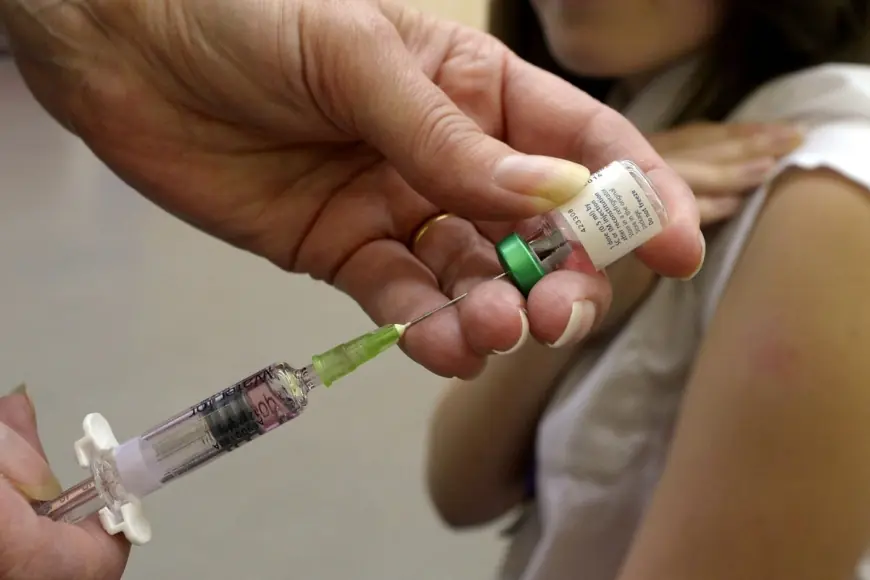
The measles outbreak in north London has escalated this week, with fresh case counts and mounting concerns about low childhood vaccination uptake and restricted access for vaccination teams. The trend matters because it concentrates infections among young children and increases the risk of spread to neighbouring areas.
Measles Outbreak spreads in north London
Recent figures show multiple new infections in the north London boroughs at the centre of the outbreak. In one borough there were 16 new cases in the past week, and nearby borough health data recorded 10 new cases, taking the total number of recorded cases in London to 88 since the start of the year. Separately, national data covering a recent period found 130 confirmed cases across England in the same year-to-date window, with a substantial portion originating in the north London borough that has reported dozens of local infections.
The majority of identified cases are among children under 10. Local measures already in place include warnings that children who are not fully vaccinated and who have been in contact with confirmed cases could be excluded from school, and a mobilisation of vaccination teams into communities and places of worship to increase access to the jab. A wider government campaign has also been launched to improve childhood vaccination uptake for measles and other routine immunisations for under-fives, and catch-up clinics have been made available for children who missed doses.
Schools, vaccine access and where the outbreak could spread next
Experts have raised alarm about school-age children being particularly vulnerable, noting dozens of suspected cases reported across multiple schools and at least one nursery in the affected borough. Research findings show that a subset of schools in neighbouring northeast London denied access to school-age immunisation teams; in that review, 32 out of 450 schools did not allow access, and in at least 15 of those cases information on children needing vaccination was not shared with immunisation teams. More than 50 suspected cases were seven schools and a nursery in one locality during the recent surge.
Vaccination coverage varies sharply by area. National averages for the most recent year show an overall childhood measles vaccination rate of 83. 7%, while London’s average is markedly lower at 69. 6%. One north London borough recorded just 64. 3% uptake, and adjacent borough figures show both-dose coverage in the mid-to-high 50–65% range in some areas—well below the level typically required to maintain herd protection. International data cited for the period around 2024–2025 also underline that most infections occurred in unvaccinated children, with substantially fewer cases among those who had received one or two doses.
Local authorities outside London have already warned they expect rising case numbers to reach neighbouring counties, and have urged parents to check their children’s vaccine status. Health officials note that some children have required hospital treatment during this outbreak, and that measles can cause serious complications, reinforcing vaccination as the primary protection.
Outlook and practical steps
The situation remains active and figures indicate the true number of cases may be higher than laboratory-confirmed totals because of testing and reporting delays. Measures being pursued include community-based vaccination drives, targeted outreach in affected neighbourhoods, and catch-up clinics for missed doses. Public messaging is emphasising that it is never too late to bring a child up to date on routine immunisations.
Recent updates indicate the outbreak is evolving and details may change as more data arrive. Parents and school leaders are being urged to prioritise vaccination, to support access for immunisation teams where possible, and to follow local health guidance about exclusion and catch-up arrangements while the situation develops.