






















Boeing Starliner Failure Forces Agency Overhaul and Leadership Accountability After Type A Mishap

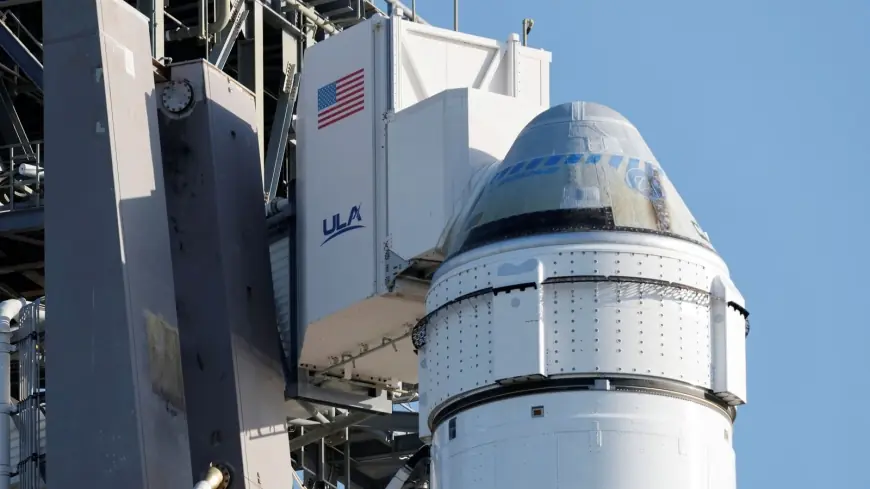
The Boeing Starliner failure has escalated beyond a technical embarrassment into a program-level reckoning: the flight has been formally classified as a Type A mishap, and authorities are pressing for leadership accountability and corrective actions before the vehicle can fly again. This matters now because the classification places the incident alongside the most severe mishaps in the agency’s history and obliges a structured response to hardware, process and cultural failings identified in the investigation.
What the Boeing Starliner Failure means for oversight, leadership and return-to-flight steps
The Type A designation is the highest-level classification available, reserved for incidents causing major damage, loss of vehicle or deaths; in this case it recognizes that there was clear potential for a significant mishap even though no one was injured. The formal report found a mix of combined hardware failures, qualification gaps, leadership missteps and cultural breakdowns that created risk conditions inconsistent with established human-spaceflight safety standards. Leaders have pledged to correct mistakes and ensure accountability so similar conditions do not recur, and the investigation’s findings are being treated as final as corrective actions are rolled out.
Here's the part that matters: the consequences are procedural and programmatic as much as technical. The next phase will center on completing root-cause work, implementing investigative recommendations, and demonstrating that organizational issues at both the vehicle builder and the accepting agency have been addressed before any further crewed operations are approved.
Technical failures, mission stretch and the crew experience
The mission’s technical thread included loss of maneuverability while approaching the orbital outpost, propulsion anomalies that affected thruster performance, and other hardware challenges. The propulsion system anomalies extended what had been planned as a short crewed test into a far longer episode in orbit; the spacecraft was later returned without the two test astronauts aboard, who ultimately rejoined Earth on a later crewed flight. Investigators also noted qualification gaps and examples of poor engineering choices that compounded the original hardware issues.
Investigators pointed to a breakdown in oversight as well: the vehicle was accepted for flight despite recurring issues in prior missions, and organizational and cultural problems contributed to decisions that fell short of safety expectations. The investigative team completed a lengthy review and the agency is acting on its recommendations while technical root-cause work continues.
- Launch and mission timeline highlights: June launch of the crewed test flight; an originally short mission that was extended after propulsion anomalies; the spacecraft later returned without the astronauts; the astronauts returned to Earth on a separate crewed flight months afterward; the investigative report was completed and accepted.
- Core findings: combined hardware failures, qualification gaps, leadership missteps and cultural breakdowns created unacceptable risk conditions.
- Immediate outcomes: Type A mishap classification, leadership accountability measures, and a program of corrective actions before Starliner flies crewed missions again.
What’s easy to miss is that while the physical injuries were avoided and the mission ultimately regained control, the classification and findings make clear the problem set was both technical and organizational—fixing one without the other would leave residual risk.
The real question now is whether the corrective steps and demonstrated fixes will satisfy the safety criteria required to return the capsule to crewed service. Signs that the program is moving forward will include completion of the technical root-cause investigations, formal acceptance of corrective actions, and clear evidence that leadership and cultural issues have been addressed alongside the hardware fixes.
Mini timeline (subject to program review and confirmation):
- Initial crewed test flight launched in June of the mission year.
- Propulsion anomalies arose during approach, extending the planned short test mission.
- The spacecraft returned to Earth without the two astronauts; they later returned on a different crewed flight.
- The program investigation completed its report and the agency accepted it as final.
- Forward look: corrective actions and root-cause work continue; the vehicle will return to flight only when readiness is demonstrated.
Editors' note: corrective actions and technical work are under way, and details may evolve as the agencies involved complete their follow-up steps and readiness reviews.