























Winter Weather Advisory: Sierra Nevada Travel Troubles as Southern California Mountains Are Blanketed in Snow

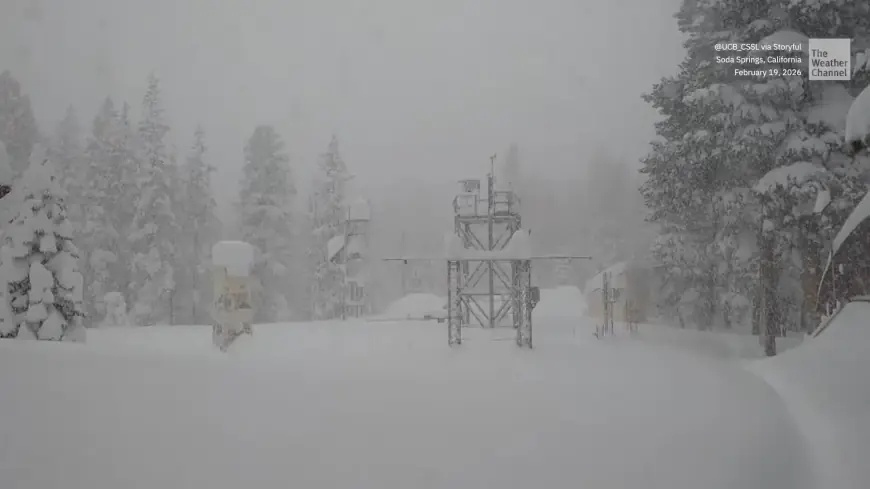
Winter Weather Advisory captures the scene unfolding across the Sierra Nevada and Southern California mountains, where deep snowfall and icy roads have produced widespread travel disruptions and enforcement actions. Up to three feet of snow has fallen in parts of the San Bernardino Mountains, and authorities are requiring chains on most mountain routes as crews and motorists respond to hazardous conditions.
Winter Weather Advisory: chain rules, road conditions and enforcement
All mountain roads are under a level 2 chain requirement. Chains or traction devices are required for all cars except vehicles with four-wheel drive or vehicles equipped with four snow-tread tires; even those exempted vehicles are instructed to carry chains in case conditions worsen. Some drivers who attempted to drive into the mountains without chains were turned away by officers enforcing the requirement. Many others were forced to learn how to install chains on the spot.
Roads headed into mountain communities remain icy, which has prompted driving recommendations to slow speeds and take extra precautions. Driving 25 mph is recommended for the affected routes. Clearing skies following the storms will lower overnight temperatures and increase the risk of black ice on treated and untreated pavement.
Travel troubles across the Sierra Nevada and Southern California mountains
Travel disruptions have been reported across the Sierra Nevada, with visual coverage highlighting struggles for motorists and travel operations. In Southern California's mountain zones, back-to-back storms left thick snowpacks in place even as conditions begin to dry out. In the San Bernardino Mountains alone, as much as three feet of snow fell over a recent multi-storm stretch, leaving approaches to mountain communities precarious.
Practical consequences have included turn-arounds at enforcement points, impromptu lessons in chain installation and increased demand for basic preparedness supplies. One visitor admitted unfamiliarity with chains: "I just don't really know how to put them on. I only come up every couple years so I never bothered to learn, " said Andrew Malingowski of Culver City. That experience has been echoed by others who found themselves unprepared for post-storm driving conditions.
What motorists should carry and expect
Drivers heading toward mountain areas where heavy snow fell are being urged to carry a small set of emergency items and to prepare for slowed travel. Recommended items include extra water, nonperishable food and blankets in case of delays or temporary stranding. The current environment of deep snow and icy approaches means travel can be time-consuming and requires physical readiness to install chains or adopt traction devices if asked.
Looking ahead: cold nights and lingering hazards
Although storms have begun to move out of some Southern California mountain areas and skies are clearing in places, that very clearing will contribute to colder overnight lows and conditions conducive to black ice. Motorists should remain mindful that clear skies do not eliminate risk; frozen surfaces can persist well after snowfall has ended and can make travel hazardous, particularly on winding mountain roads.
Motorists preparing to travel into the Sierra Nevada or Southern California mountains should review chain requirements, ensure they have functioning traction devices and pack basic emergency supplies. Enforcement measures are active on mountain approaches, and travelers without required equipment can expect to be turned back until they comply with chain rules or demonstrate adequate traction capability.