
















Punch Monkey Rally Shifts Focus to Care, Reintroduction and Public Support at Ichikawa Zoo

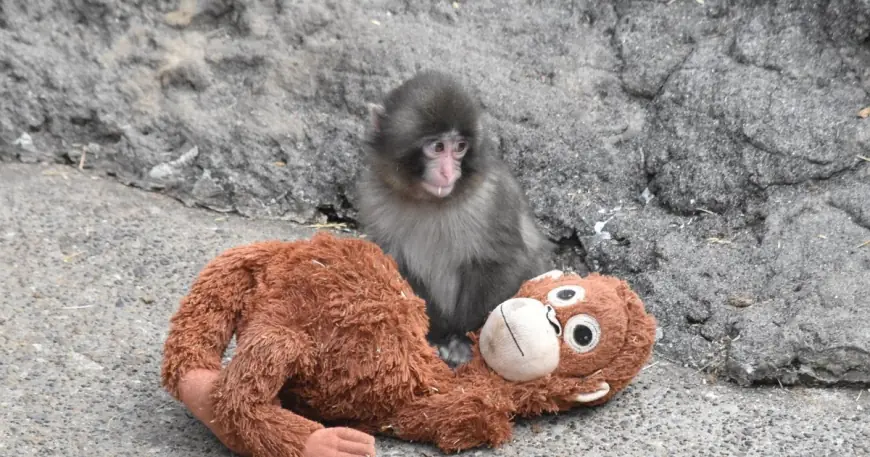
Why this matters now: the young macaque dubbed punch monkey is not just an internet moment — his story has highlighted how hands-on care, surrogate comforts and careful reintroduction practices affect an individual animal, his caretakers and the troop that will accept him. Public attention has amplified the zoo’s efforts and made Punch’s wellbeing a visible test case for rescue-to-reintegration work.
Punch Monkey’s immediate circle: who is feeling the change — and how
Here’s the part that matters: Punch’s daily routine and the choices made by his caretakers drove both his recovery and the emotional response online. The young macaque, the two zookeepers who raised him, the monkey mountain troop and visitors who captured images all experienced concrete shifts — from a lone infant needing extra handling to a focal point of public encouragement.
Those shifts play out in practical ways: hand feeding and surrogate objects shaped Punch’s comfort and behavior; gradual time on the monkey mountain altered his social exposure; visitor photos turned private care into a public conversation that reinforced attention on the reintroduction process.
How Punch was cared for and reintroduced — the essentials
Punch was born weighing 500 grams and was abandoned by his mother after a difficult first birth. Two zookeepers, Kosuke Shikano and Shumpei Miyakoshi, began hand-raising him from the day after his birth, feeding him milk and keeping him near the scent and sounds of the monkey mountain so he could integrate later. Typical incubator care was set aside in favor of proximity to the troop.
- Birth and early care: born in summer, weighed 500 grams; separation from the troop when staff began hand feeding.
- Comfort tactics: rolled towels and multiple stuffed animals were tried; Punch favored an orangutan stuffed toy because its fur was easy to grip and its look provided security.
- Night behavior: after keepers left, Punch would snuggle the stuffed toy to sleep.
- Reintroduction: staff gradually increased his time on the monkey mountain; full reintroduction was completed on Jan. 19, after which other monkeys were initially wary and Punch often clung to the toy.
- Public reaction: a visitor’s photo and video captured a few days after reintroduction and the zoo’s own social post on Feb. 5 drove wide sharing; that post was reshared more than 8, 000 times, and between Feb. 5 and Feb. 13 a social media analysis tool recorded about 37, 000 posts and reposts using the hashtag #HangInTherePunch.
What’s easy to miss is that the stuffed toy served both emotional and practical roles — it helped Punch build grip and provided a behavioral bridge while he learned to cling to fur and interact with the troop.
The narrative so far centers on rescue, surrogate care and gradual reintegration rather than a single dramatic moment. The real question now is how Punch’s relationships within the troop evolve as he spends more unsupervised time with other monkeys and relies less on the stuffed surrogate.
Short-term indicators to watch internally include whether Punch begins to use conspecific contact for comfort, how often he still reaches for the stuffed toy, and whether initial wariness from other troop members gives way to grooming or shared resting. Public interest remains high, but the immediate welfare metric is Punch’s daily behavior with his troop.
If you’re wondering why this keeps coming up, it’s because the combination of hands-on caregiving, a simple surrogate object and visible reintroduction steps created a clear, human-centered storyline that people can follow and respond to emotionally.
Editorial aside: The bigger signal here is how much everyday husbandry choices — incubator versus proximity, towels versus plush toys, staged reintroduction timing — shape not only animal welfare outcomes but also public perception of captive-animal care.