






















Coco Gauff falls in Dubai thriller as key 2026 themes sharpen

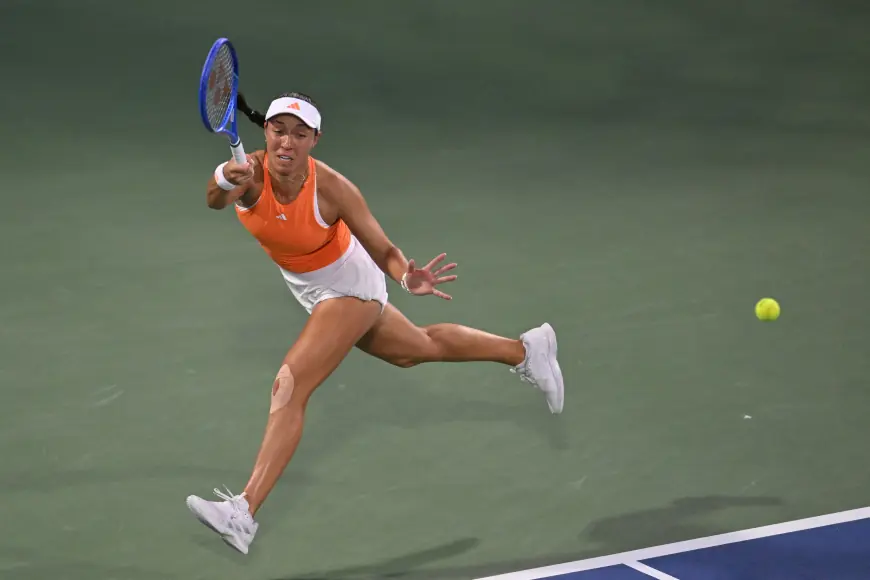
Coco Gauff’s February run in Dubai ended one match short of the title round, but the way it ended—on the edge for three hours—captured where her 2026 season sits right now: close to the biggest stages, still chasing cleaner margins in the tightest moments. On Friday, Feb. 20, 2026, Gauff was outlasted by Elina Svitolina in a semifinal that swung from early serving trouble to a second-set escape act and back again.
The loss keeps Gauff searching for her first trophy of 2026, yet it also adds evidence that her floor remains high. She’s winning plenty, competing deep at top events, and forcing opponents to earn every last point.
Coco Gauff’s Dubai semifinal, point by point
Gauff dropped the match 6-4, 6-7 (13-15), 6-4 after saving four match points in a second-set tiebreak that turned into the longest breaker of her season so far. The drama was immediate: early double faults put her under pressure, and Svitolina’s return games kept the scoreboard tight even when rallies tilted Gauff’s way.
The turning point looked like it might be Gauff’s resilience. Down match points in the tiebreak, she kept stepping in on second-serve looks, defended at the net under heavy pace, and finally forced a decider. But the third set returned to small, ruthless details—first serves, a handful of rushed second-serve deliveries, and one extended hold that set up the finish. Svitolina closed it in three.
Dubai’s conditions—quick enough to reward first strikes, demanding enough to punish shaky serving—made the match a loud reminder that the serve remains the swing skill in Gauff’s biggest battles.
What the result means for her ranking and momentum
Gauff entered the week ranked No. 4 in the world, and a semifinal at a major February event is the kind of result that typically stabilizes, not sinks, a top-five position. The more meaningful takeaway is not the exact ranking slot, but the pattern: she’s consistently reaching the business end of big tournaments even without her cleanest ball-striking.
Her 2026 record has been strong early, and the season’s rhythm is becoming clear—she can beat most of the field with athletic defense and a heavy forehand, but the very top tier demands a steadier first-serve percentage and fewer free points on second serve. When those two things click, her ceiling looks like championship tennis; when they wobble, she’s still competitive, but the match becomes a coin flip.
The serve, the tiebreak, and the margins
The second-set tiebreak was an encapsulation of Gauff’s strengths: she competes like a closer even when the numbers say she’s in trouble. Saving four match points isn’t luck; it’s a choice to keep playing aggressive, high-percentage tennis under stress.
At the same time, the match’s early and late phases underlined how quickly a few service games can decide everything at this level. Double faults are the loudest version of the problem, but the quieter version is predictable second serves that invite immediate pressure. Against elite returners, that pressure tends to compound—shorter points for the opponent, longer points for you, and a scoreboard that refuses to loosen.
If there’s a single technical headline coming out of Dubai, it’s this: Gauff’s path from “deep runs” to “regular titles” runs straight through serve reliability.
The Svitolina matchup is becoming a real hurdle
Svitolina has now beaten Gauff twice in 2026, including their Australian Open quarterfinal meeting in late January. That doesn’t make it a matchup destined to stay one-sided—tennis turns quickly—but it does make the dynamic worth watching.
Svitolina’s formula against Gauff has been consistent: extend rallies until the serve or the second ball cracks, then take time away with depth through the middle and sudden changes in direction. It’s a style that challenges Gauff to earn points multiple times in the same rally, rather than winning them once with a single big strike.
For Gauff, that’s an opportunity as much as a problem. The more she sees that look, the more she can refine the next-step answers—higher first-serve percentage, more decisive patterns to her forehand, and a bit more willingness to finish at the net when she’s earned position.
What comes next on her 2026 calendar
Gauff leaves Dubai with a sharp performance reference: she can withstand the stress of match points and still force a third set against a red-hot opponent, but she’ll want the match to be on her terms earlier.
Key takeaways to watch in the next events:
-
Whether her first-serve percentage climbs as match intensity rises, not just in early rounds.
-
How her second-serve patterns evolve—placement and variation matter as much as speed.
-
Whether she can turn tight matches into cleaner wins by finishing more points at the net once she’s created an opening.
The next stretch of the season will offer plenty of chances to test those adjustments. If the serve steadies even slightly, Dubai will look less like a missed opportunity and more like a preview of the next breakthrough week.