

























Tabitha Peterson Clutch Finish Sends U.S. Womens Curling Team Into Olympic Semifinals

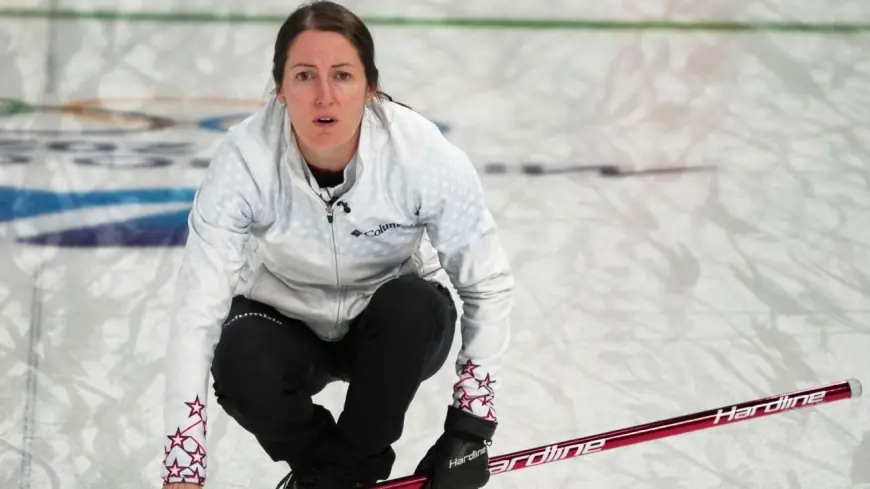
The United States advanced to the women's curling semifinals at the Milan Cortina Olympics after a tense extra-end victory over Switzerland, a result that keeps medal hopes alive and sets up an immediate rematch. The win, sealed by a last-stone delivery from Tabitha Peterson, matters now because it defines the U. S. path through the knockout rounds.
Womens Curling: What happened and what’s new
The U. S. defeated Switzerland 7-6 in a match that required an extra end. Switzerland had leveled the score with three points in the 10th end, but the Americans retained the hammer in the extra end. Skip Tabitha Peterson delivered the final stone, and teammates swept it into position so that it finished marginally closer to the button than Switzerland's closest stone, clinching the victory.
With that result the American women advanced to the semifinals, where they will play the Swiss again on Friday. The other women's semifinal will pair Sweden against Canada. Canada reached the final four by beating South Korea 10-7 after rallying from a slow start in the round robin. Sweden enters the semifinals with the best record among the qualifiers, while Switzerland, the U. S. and Canada share identical round-robin records heading into the knockout stage.
The schedule for the medal round places the women's bronze medal game on Saturday and the gold medal game on Sunday. One American on the women's side will also be seeking an additional podium finish: Cory Thiesse is chasing a second medal at these Games after earning silver in mixed doubles alongside Korey Dropkin.
Behind the headline
What led here: the U. S. performance in this elimination match was decided by small margins. Switzerland’s three-point rally in the 10th forced sudden death, but having the hammer in the extra end gave the Americans a strategic edge that they converted through execution at the skip position. Tabitha Peterson’s final delivery and the sweeping that followed were the decisive plays.
Key stakeholders and incentives:
- United States women's team: advances with immediate opportunity to secure a place in the gold- or bronze-medal games; the skip and front-end players share exposure and potential career-defining results.
- Switzerland: having forced extra ends and pushed the U. S. to the limit, they gain a second chance in the semifinals against the same opponent.
- Sweden and Canada: their semifinal pairing creates parallel pressure; Sweden carries the advantage of the best record, while Canada arrives after a comeback in its final qualifier match.
- Individual athletes with multi-event roles: athletes like Cory Thiesse face scheduling and recovery considerations as they pursue medals in more than one discipline.
Constraints include the quick turnaround to the semifinal rematch and the mental and physical toll of extended, high-pressure games. For teams that played long elimination matches, recovery and tactical preparation between games will be crucial.
What we still don't know:
- Exact timing and ice-session details for the semifinal rematch beyond the day designation.
- Lineup or strategy changes each team might make before the semifinal games.
- Any injury or fatigue issues affecting individual players that could alter team performance.
- How teams will adjust tactics after the extra-end dynamics seen in this match.
What happens next
- U. S. -Switzerland semifinal rematch — immediate outcome determines which team advances to the gold-medal game and which falls back to the bronze-medal contest; a repeat of the extra-end tension would again hinge on last-stone execution.
- Sweden vs. Canada semifinal — Sweden’s superior round-robin record positions it as the statistical favorite, while Canada arrives with momentum after a late rally into the knockout stage; the winner meets the U. S. -Switzerland victor for gold.
- Medal games — winners of the semifinals will contest gold on Sunday and the losers will play for bronze on Saturday, finalizing podium placements for the womens curling tournament at these Olympics.
- Player recovery and lineup decisions — teams that endured long matches may alter lineups or emphasize recovery routines to preserve performance for medal-round play.
Why it matters: this result keeps the United States in contention for an Olympic curling medal and sets up a high-stakes, rapid rematch against Switzerland. For athletes and national programs, advancing through a tight elimination match preserves medal opportunities and national standing in the tournament. Near-term implications include immediate tactical planning and athlete recovery priorities ahead of the semifinal sessions and the concluding medal matches.