























Dylan Larkin Raises Profile — Olympic OT Goal Turns Red Wings Captain into an X-Factor for Team USA

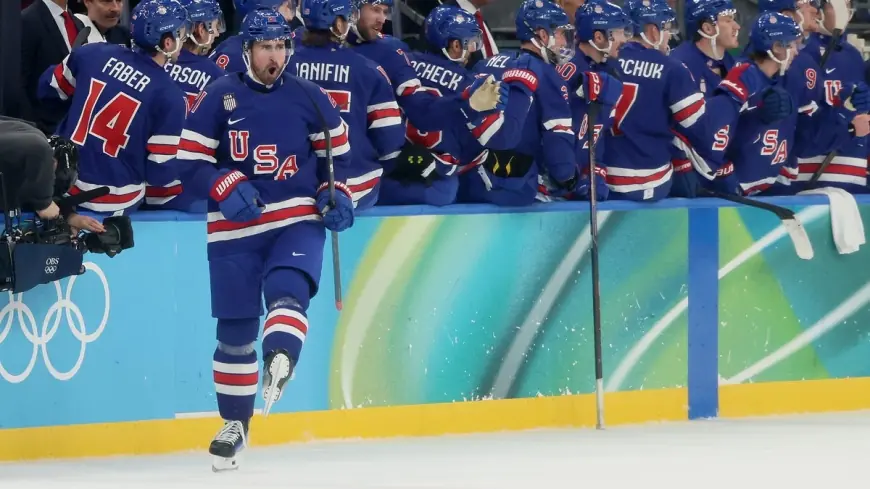
The Olympic quarterfinals put a spotlight on one NHL nucleus — and dylan larkin emerged as a catalytic presence whose goal and heavy minutes matter beyond a single win. That matters now because his performance amplified the reputation of his Red Wings peers, shifted how Team USA is built around role players, and gave fans a clear view of why he’s considered a leader at both club and international levels.
Dylan Larkin's impact: who feels the shift and why it matters
Here’s the part that matters: Larkin’s overtime redirection in the 2-1 win over Sweden did more than decide a knockout game. For teammates and younger players who train with him, it reinforced a model of leadership defined by relentless energy, willingness to take on penalty-kill work, and clutch competitiveness. Members of the Detroit roster and veteran teammates have highlighted his care for winning and the example he sets in practice and tournaments. That combination lifts the team’s profile and changes how opponents prepare for both the Olympics and the NHL season.
Value-add note integrated from the top: the immediate effect falls on three groups — national-team coaching staffs adapting line roles, Red Wings teammates who may lean on his two-way play, and fans tracking Detroit’s core on the international stage. Expect heightened attention to his minutes and deployment in future elimination games, and a ripple in how younger players view him as a mentor figure.
Event details and how the win unfolded
In the quarterfinal matchup that sent the Americans into the semifinals, the decisive goal came during overtime when Larkin redirected a teammate’s shot to break a scoreless stretch and send the U. S. onward in the Olympic bracket. He had spent much of the tournament centering the third line and contributing extensively on the penalty kill, roles that emphasized defensive responsibility and team structure more than scoring. The team now advances to face Slovakia in the semifinals on Friday, Feb. 19 at Milano Santagiulia Ice Hockey Arena, with the game listed for 3: 10 p. m. ET.
- Larkin’s recent Olympic role: third-line center, key penalty-kill unit, clutch scorer in overtime.
- Team progress: victory in the quarterfinal sent the U. S. to the semifinals against Slovakia on Feb. 19 (3: 10 p. m. ET).
- Club context: Larkin has been a long-tenured member of his NHL club and wears leadership responsibilities with that group.
It’s easy to overlook, but Larkin’s route through the tournament illustrates a broader point about player value: contributions that don’t always populate the scoresheet can set the stage for game-winning moments when roles and chemistry line up.
Teammates and veterans who have skated with him internationally note his drive and the encouragement he provides to younger players who train alongside him in summer development programs. That interpersonal leadership is one reason fellow professionals sought to join his club last season, citing the camaraderie and competitive environment.
The real question now is how coaching staffs will balance Larkin’s defensive deployments with opportunities to keep him engaged offensively after a high-profile game-winner. If his usage tilts toward more offensive zone starts or special-team responsibilities change, that will be a signal the team wants to leverage both his scoring touch and his defensive dependability.
Micro timeline (compact):
- Pre-quarterfinal: Larkin centered a defensive-minded third line and was a staple on the penalty kill.
- Quarterfinal vs. Sweden: Larkin redirected a shot in overtime to produce the 2-1 win and advance the U. S.
- Semifinal: Team USA faces Slovakia on Feb. 19 at 3: 10 p. m. ET.
What’s easy to miss is how this single moment reframes expectations — not by turning a defensive specialist into a pure scorer overnight, but by confirming he can deliver in elimination situations while still embracing the gritty work that defines his regular role.
If you’re wondering why this keeps coming up, watch how opponents adjust their matchups and how national coaches allocate Larkin’s minutes: those choices will reveal whether the OT goal changes his long-term deployment or is treated as a high-leverage outlier.