
























Oman Vs Australia: Australia thrash Oman by nine wickets but exit T20 World Cup without Super 8 spot

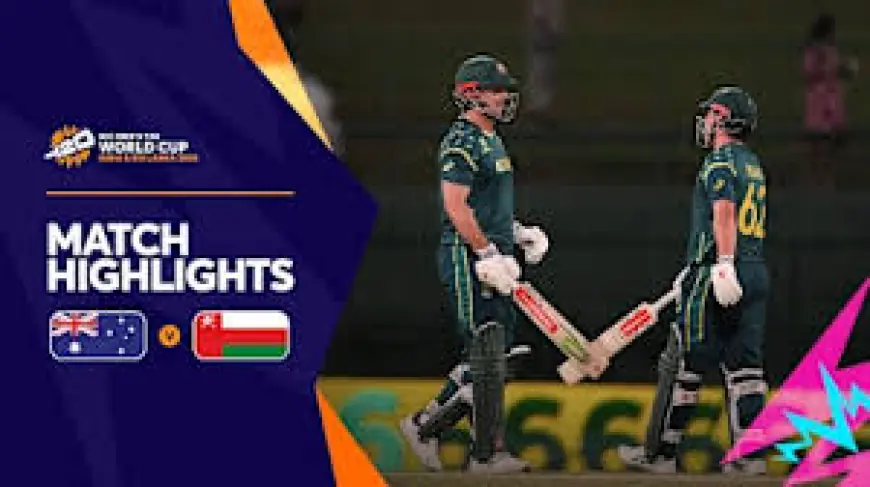
In a final-group flourish, oman vs australia ended with Australia emphatically beating Oman by nine wickets in Pallekele, but the win did not change their early elimination from the T20 World Cup. The result provided consolation for Australia and a heavy defeat for Oman as both teams depart the tournament with lessons to digest.
What happened and what’s new
Australia dismissed Oman for 104 in 16. 2 overs, the highest individual score for Oman coming from Wasim, who made 32 off 33 balls. Adam Zampa produced the tournament’s standout bowling figures for the match with 4-21 and was named player of the match. Australia chased the target rapidly, finishing on 108 for 1 in 9. 4 overs, with Mitchell Marsh top-scoring for the visitors with 64 from 33 deliveries.
Despite the dominant final display, Australia will head home without reaching the Super 8 stage after earlier defeats left them unable to accumulate the required points; losses to Zimbabwe and Sri Lanka were noted as pivotal in that outcome. The rain-affected schedule contributed to the group dynamics when Ireland and Zimbabwe were unable to take the field, further complicating qualification scenarios.
Oman Vs Australia: Behind the headline
The match reinforced two competing narratives in this event. For Australia, the victory demonstrated the side’s capacity to produce a commanding performance with both bat and ball, yet it arrived too late to affect overall tournament standing. For Oman, the game marked the end of a campaign that included multiple defeats and concluded with a respectable but insufficient batting effort.
Key figures in the contest included Adam Zampa, whose four-wicket haul was decisive in keeping Oman to a chaseable total, and Mitchell Marsh, whose quickfire half-century sealed the chase. The Australian squad publicly described the campaign as a missed opportunity and signalled disappointment in key moments earlier in the group stage. Oman conveyed pride in earning the chance to compete and gratitude for fan support, while acknowledging the need to learn and improve.
What we still don’t know
- Exactly which internal changes either team will pursue in response to the tournament outcomes.
- How tournament management and weather disruptions will be reviewed in relation to group-stage scheduling and qualification impacts.
- Detailed plans for player development or selection adjustments prompted by this campaign for either side.
- The precise assessment each squad will make about tactical or preparation shortcomings highlighted during the tournament.
What happens next
- Australia undertake an internal review and reflect on missed opportunities: trigger — coaching and player assessments following the squad’s return home.
- Adam Zampa and leading performers build personal momentum despite team disappointment: trigger — selection for upcoming white-ball fixtures and public comments on form.
- Oman focus on development and domestic preparation to close gaps exposed in the tournament: trigger — post-tournament statements and training plans emphasizing learnings.
- Organizers and stakeholders examine weather and scheduling effects on group outcomes: trigger — formal review of matches affected by rain and ground availability.
- Both teams adjust selection and preparation strategies for future global events: trigger — forthcoming selection windows and announced training camps.
Why it matters
The match carries practical implications for team planning and perception. For Australia, the emphatic win highlights a persistent tension between match performance and tournament consistency; their T20 World Cup history was underscored in the tournament narrative, with the side noted for deeper success in other formats but limited top-level returns in this competition. For Oman, the fixture provided international exposure and clear markers for where investment and development are required to compete more effectively.
In the near term, players who performed strongly in the final match can use the result to press their case for future selection, while both teams will face questions about preparation, squad depth and strategic choices made earlier in the group phase. The immediate aftermath is likely to be inward-looking: reflection, assessment and planning aimed at translating tournament lessons into tangible improvements.