

















Punch Monkey: How a Rejected Baby Macaque Became a Viral Symbol of Resilience

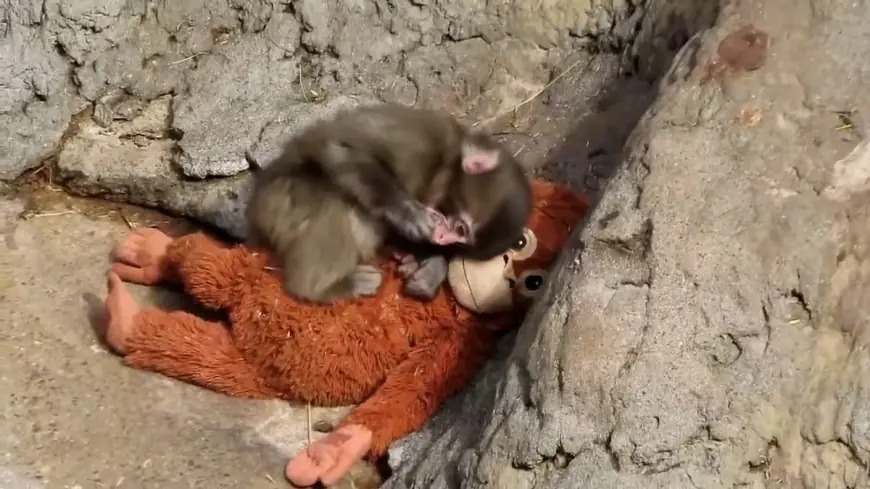
Punch Monkey, a 7-month-old macaque born at a zoo outside Tokyo, has become an unexpected focal point for global attention after footage of his solitary behavior and later small social victories circulated widely. The sequence of images and videos has prompted a public response, sparked a zoo statement and driven a sharp rise in visitor interest.
Punch Monkey's early struggles and the makeshift comfort object
The baby macaque was born in July and was abandoned by his mother shortly after birth. Staff at the facility nursed him and later reintroduced him to the troop at the zoo's monkey enclosure, known as monkey mountain. Without a mother to lead the way, the young macaque initially had difficulty integrating: early videos showed him playing alone and being swatted away when he tried to approach adult macaques.
To help with comfort and muscle development, the young macaque was given a stuffed orangutan toy. That toy became a frequent companion, often seen being cuddled, dragged and played with as the baby macaque navigated the challenges of life among the troop.
Viral reaction, public support and a zoo response
Posts about Punch Monkey spread rapidly on social media, amplified in part by a hashtag started by the zoo. Public reaction ranged from expressions of sympathy to offers of support, turning the macaque into an internet symbol during an intense news moment. The heightened attention also translated into a jump in in-person visits: roughly 8, 000 people visited the zoo over one recent weekend, more than double the number on the same weekend the previous year.
New video footage prompted the zoo to issue a social media statement after an incident in which a larger monkey dragged the baby across the enclosure. The zoo's statement explained that the baby had attempted to interact with another young macaque and had been rebuffed, and that an adult—likely the other youngster's mother—had intervened when she perceived annoyance. The statement framed these interactions as disciplinary behaviors from troop members and encouraged observers to support the youngster's efforts to learn social skills rather than simply feel pity.
Signs of progress and what comes next for Punch Monkey
Recently shared clips show signs of gradual acclimation: the baby macaque has been seen climbing on another monkey's back, receiving grooming, sitting among adults and even getting a hug. Zoo leadership described him as initially wary but gradually acclimating, noting the mother is present with the other troop members on monkey mountain. Caretakers characterize the youngster as developing an active and fearless personality and taking proactive steps to communicate with peers.
Public interest has produced practical support as well. The macaque's attachment to his stuffed orangutan drew attention to that particular toy style, and representatives from the toy's manufacturer visited the zoo and donated additional stuffed animals for the facility. Those gestures supplemented the zoo's efforts to provide substitutes that help baby macaques build strength and security while they learn to live within the troop.
Implications and cautious outlook
Punch Monkey's story highlights the complex social learning that juvenile primates undergo and how human intervention can both aid and complicate that process. The zoo has emphasized that social discipline among troop members is part of teaching and integration, and current updates suggest the youngster is making steady progress. Visitor numbers and widespread online attention are likely to continue in the near term, which the zoo has asked the public to approach with mindfulness about the enclosure's size and the viewing rules in place.
Recent updates indicate details may evolve as the baby macaque continues to interact with his troop and the facility manages increased public interest. Observers and caretakers alike will be watching whether these early signs of social bonding consolidate into stable relationships within the group.