




















Punch Monkey Turns Casual Visitors Into Concerned Advocates — What That Means for a Small Zoo

The punch monkey story has become less about a single animal and more about how small zoos manage sudden attention. For visitors, keepers and local officials the viral images and videos have translated into sharply higher attendance, closer scrutiny of enclosure size and renewed debate over visitor behavior. If you're wondering why this keeps coming up, the immediate crowd response—and the zoo's public guidance—are the clearest signals of impact.
Punch Monkey: Why visitors and staff are feeling the impact
Visits climbed markedly after posts of the baby macaque spread: roughly 8, 000 people showed up one recent weekend, more than double the count for the same days the prior year. That sudden influx matters for a facility described as compact; the zoo issued a notice asking visitors to be mindful of the small viewing area and to follow on-site rules. The uptick in foot traffic changes daily routines for keepers and alters how the site balances public engagement with space and animal welfare.
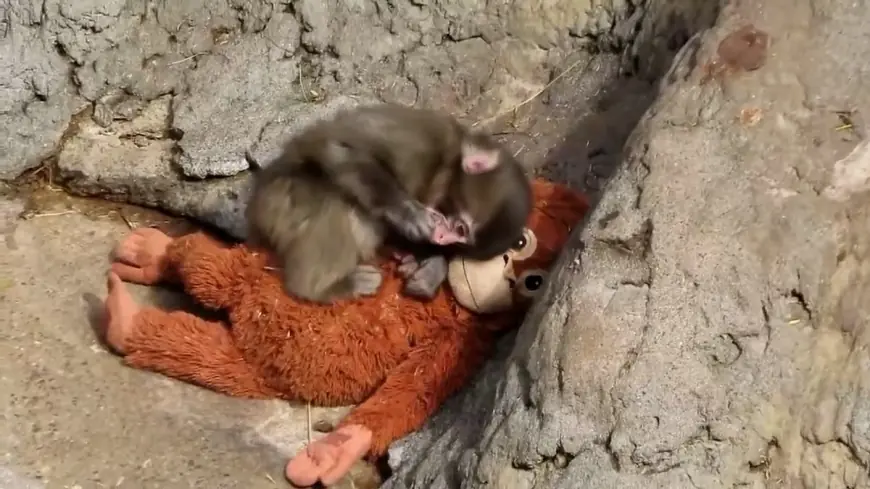
- The stuffed orangutan became a focal point, used by staff to help the infant develop strength and comfort.
- Donations of soft toys followed public interest, with additional plush animals provided to the facility.
- Visitor guidance was posted after a viral video raised concerns about interactions and the enclosure's size.
- The episodes prompted more people to show up physically and to share the animal’s progress online, increasing both scrutiny and support.
What’s easy to miss is that the toy had a practical role beyond charm: staff used it as a substitute to help the baby build muscle strength. The real test will be how the zoo manages higher attendance while keeping the troop’s social dynamics stable.
What unfolded around the baby—and how events shifted perception
Facts in the public updates sketch a clear but compact sequence: the infant macaque was born in late July and was abandoned at birth, then raised by zoo staff who nursed him. He was later reintroduced to the troop in January and initially struggled to integrate, with videos showing adults swatting him away and the baby often playing alone with the stuffed orangutan. Newer clips show him beginning to climb on other monkeys, being groomed and sitting with adults—signs of gradual social progress.
Recent footage also prompted alarm when an adult dragged the baby across the enclosure, and the zoo addressed that incident in a public statement noting interactions that followed an earlier failed approach by the baby toward another young macaque. Public reaction to those disturbing moments produced both outpourings of support and calls for measured understanding of troop behavior.
If you’re wondering why this keeps coming up: the combination of a visibly solitary infant, a comforting toy, vivid video clips and a compact viewing area created an unusually potent mix for online engagement and on-site visitation.
Micro-timeline (from public updates):
- Late July — Infant macaque is born and abandoned at birth; staff intervened to nurse and care for him.
- January — The infant was reintroduced to the troop but struggled to socialize at first.
- Mid-February — Clips of the baby with a stuffed orangutan circulated widely; subsequent videos showed both distressing and encouraging interactions; the zoo posted visitor reminders following heightened attention.
Forward signals that would clarify the next phase include sustained social grooming with adults, a stable pattern of troop acceptance, and whether visitor numbers moderate as the online surge subsides.
The short-term challenge for staff is practical: keep delivering care that supports the infant’s physical and social development while managing a public now deeply engaged with his fate. Longer term, the episode raises questions about how compact facilities prepare for viral attention and the balance between public empathy and realistic expectations about wild social behavior.
— The animal’s trajectory remains a developing story; details may evolve as keepers continue updates.