















Alysa Liu Teeth and the comeback style that reshaped her Olympic narrative

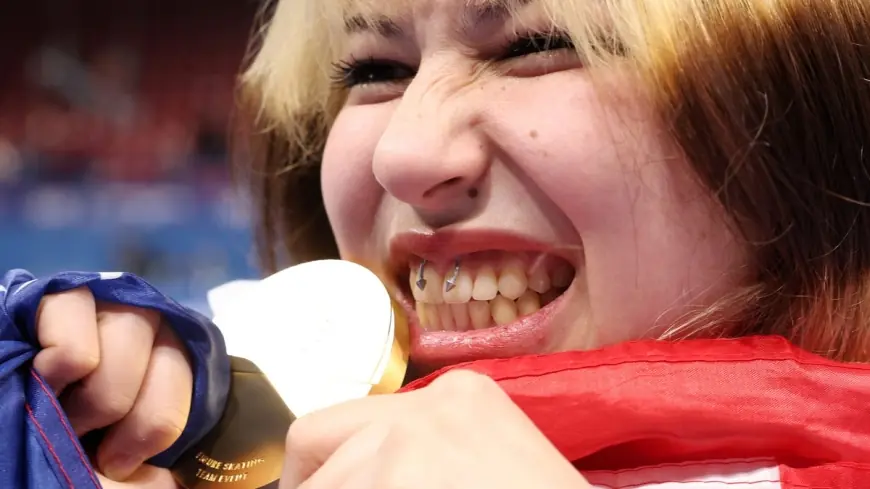
The small, conspicuous accessory on Alysa Liu’s upper smile is doing more than draw attention: it signals a deliberate reclaiming of identity in the middle of an Olympic comeback. The phrase alyssa liu teeth shows up in conversations not as gossip but as shorthand for the conditions she set when she returned to the sport — control over costume, music, rest and how she presents herself on ice. That choice matters because Liu has framed this return as a second act where style and self-direction are central to success.
Contextual rewind: why Liu’s choices matter now
Before discussing the visible details, it helps to step back. Liu walked away from competitive skating as a teenager and re-entered with explicit rules for how she would live the sport. She insisted on autonomy over clothing, music and personal rhythms; in doing so she positioned performance as personal expression rather than only a quest for medals. That shift frames the piercing not as a stunt but as part of a larger creative pact between athlete and artist.
Here’s the part that matters: the piercing—commonly called a "smiley"—was done by Liu herself and sits through the labial frenulum, the thin tissue between upper lip and gums, fastened with a small curved silver piece that ends in arrow-shaped tips on her front teeth. Her longtime choreographer welcomed the look and saw it as an extension of the persona they are building together. What's easy to miss is how the accessory functions in concert with choreography and costume choices to make a consistent public image.
Alysa Liu Teeth: the piercing, the presentation, the person behind the skate
The visible detail is straightforward: a frenulum piercing that draws attention whenever Liu smiles broadly. She performed the piercing herself with help from a family member holding her lip, an act that underlines the do-it-yourself spirit she has brought back to skating. The choreographer’s enthusiastic reaction reinforced the move, and even sparked a playful urge in him to try a similar look.
On the ice this season she is competing with a short program that left her in third place going into the free skate. Her team context frames the remainder of the event as a decisive moment for the comeback narrative; if she lands a top finish, it would punctuate a return that emphasizes identity as much as medals, and would mark a rare U. S. podium breakthrough in individual women’s skating since the mid-2000s.
- Key visual: frenulum (labial) piercing with silver curved bar and arrow tips on front teeth.
- Personal action: Liu performed the piercing herself with assistance to hold the lip.
- Creative partner: her choreographer embraced the look and integrates it into her programs.
A short micro-timeline embedded in the comeback: she stepped away from the sport as a teenager, returned with explicit conditions about how she would skate and present herself, and now is skating in this Olympic campaign where both results and self-expression are on the line.
Practically speaking, this is about more than a single ornament. The choreographer’s approach has been described as one that projects the person he coaches: organizing technique around individuality rather than suppressing it. That method has produced a collaborative relationship where wardrobe, music and even a small piercing become deliberate parts of storytelling on ice. The real question now is how judges and audiences respond when presentation and execution meet under Olympic pressure.
Who feels the impact: Liu herself first, of course, but also collaborators—her choreographer who helps translate personality into movement; young skaters watching a model of returning on her own terms; and viewers who are invited to read performance as personal narrative as much as technical display. A continued top result would signal that a performer-led comeback can coexist with competitive success; conversely, an outcome that prioritizes technical measures over artistic control would reshape how other athletes choose to present themselves.
It’s easy to overlook, but this episode also hints at a larger cultural shift inside high-level skating: the friction between judged sport and self-managed artistry is becoming a visible part of athlete strategy. Whether the piercing remains a footnote or becomes an emblem of a broader trend will depend on both competitive outcomes and how consistently Liu and her team carry the look into future performances.