





















Nick Goepper’s Next Chapter: Why uncertainty around his halfpipe return matters for his health, legacy and the sport

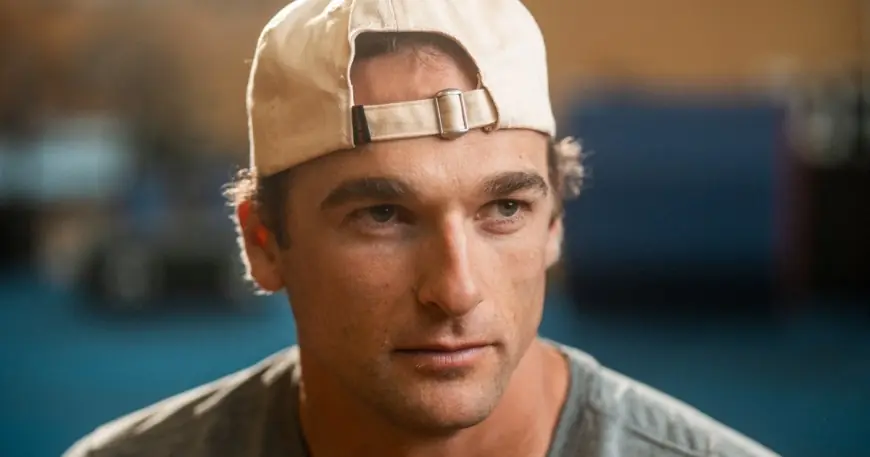
What happens when an elite athlete who has survived addiction, depression and a criminal charge steps back into Olympic competition? That’s the central uncertainty now as nick goepper prepares to compete in the halfpipe at the Milan Cortina Games. This matters because his choices will influence how athletes, teams and support systems treat post-medal mental health, and because his stability is not yet a settled variable.
Where Nick Goepper’s risks and unknowns are most acute
Goepper’s story is defined less by a single result and more by cycles: peak performance followed by deep lows, interventions and recovery. The immediate questions are practical and psychological—can the support network he credits keep him sober and grounded during the intense attention of another Olympic run, and will the wear of repeated comebacks affect his decision-making after the Games?
Here’s the part that matters: athletes who’ve described “traumatic euphoria” can be particularly vulnerable when the post-event void returns. For Goepper, that pattern has already produced two major crises—one that ended in a legal incident and a 60-day treatment stay, and another that prompted a relapse and repeat rehabilitation. Those are established turning points; what’s uncertain is whether the coping structures he’s built will hold under renewed pressure.
- Implications: The durability of his recovery will shape whether this appearance is a sustainable comeback or another pivot point.
- Affected groups: his immediate circle—coaches, close friends and family—will be central to any long-term outcome.
- Next signals: continued sobriety after the closing ceremony and evidence of a long-term plan would indicate a different direction than past post-Olympic downturns.
Event details and the arc behind this return
Goepper first reached the Olympic podium as a slopestyle medalist in Russia. After that breakthrough he struggled with depression, drinking and legal trouble, culminating in a criminal mischief charge tied to throwing rocks at cars and more than $8, 000 in damage; that episode led to a 60-day stay at an addiction clinic and a multi-year sober stretch. A similar post-Olympics downturn followed a later medal-winning performance in Pyeongchang, prompting another stint in rehab. He later took second place at another Winter Games, felt burnt out and announced a retirement; watching the X Games from his couch the next year confirmed for him that stepping away could bring relief. Now, at his fourth Games, he will compete in the halfpipe at Milan Cortina this week.
It’s easy to overlook, but Goepper explicitly links his stability to a tighter social circle—friends, family and close confidants he describes as a small support bubble. That shift away from the transient attention that followed his earliest success is central to why he says he can face competition again.
Micro timeline (selected points):
- Medaled in slopestyle at his first Olympic appearance in Russia.
- December low point: criminal mischief charge leads to a 60-day addiction clinic stay and years of sobriety.
- Post-medal relapse after competing in Pyeongchang, followed by another stay at the rehab facility.
- Second-place finish at a subsequent Winter Games, then a retirement driven by burnout.
- Watched a major freestyle event from home and felt relief; now returns to the halfpipe at Milan Cortina.
The real question now is how this iteration of competition will end—whether as a sustained, healthier chapter or another moment that forces major life changes. Performance is only one metric; the more consequential measures are continuity of sobriety and the presence of a functional support network when the spotlight fades again.
What’s easy to miss is how much of the story hinges on non-competitive factors: structure, people and day-to-day routines that athletes rarely get credit for but often need most when the medals stop speaking for them.
If you’re wondering why this keeps coming up, consider that Goepper’s pattern—highs followed by serious lows—has repeated across multiple Olympic cycles. That repetition is what makes the current phase both fragile and potentially instructive for others in similar positions.