



















Indiana Committee Advances Stadium Bill as Chicago Bears Signal Shift Toward Hammond

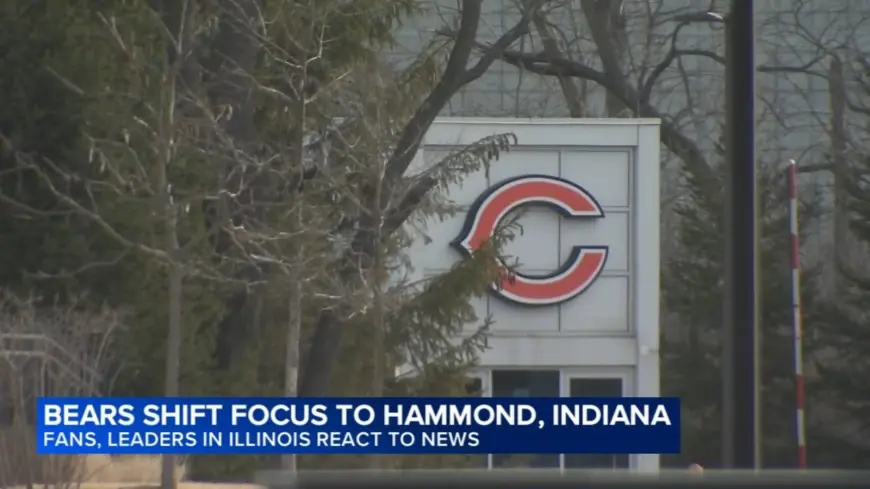
The Chicago Bears have signaled momentum toward a potential new stadium in Hammond, Indiana, as Indiana legislators voted unanimously to advance a bill that would create a regional stadium authority. The move has prompted surprise and pushback from Illinois officials while local leaders in Indiana present a framework for public-private partnership and funding.
What happened and what’s new
Legislators voted unanimously Thursday morning to move a bill out of the Ways and Means Committee that would establish a Northwest Indiana Stadium authority modeled on an existing Illinois sports authority. The bill amendment lays out a framework intended to enable negotiations tied to a site near Wolf Lake in Hammond and conditions further work on site-specific due diligence.
State lawmakers and local officials framed the proposal as a funding and governance mechanism. The package discussed would include new food, beverage and innkeepers taxes in Indiana's northwest counties to help finance stadium construction and related infrastructure. Lawmakers also said the team would contribute two billion dollars toward construction costs.
Indiana’s executive branch framed the development as the result of targeted outreach and a pro-growth posture., state leadership described a promising site near Wolf Lake and said the amendment to the bill provides an essential framework to negotiate a final agreement, contingent on successful site due diligence.
The Chicago Bears released a statement describing the bill’s passage as the most meaningful step forward in their stadium planning to date and committed to completing remaining site-specific due diligence to support their vision of a stadium near Wolf Lake. The team said it values the partnership with Indiana leaders and intends to continue building on that working relationship.
Illinois officials expressed surprise and disappointment after the Bears’ statement. Illinois leadership said intensive discussions had taken place recently and that they had largely reached agreement on language the state intended to move forward, but that the Bears had asked for further tweaks before proceeding.
Chicago Bears: Behind the headline
The immediate drivers of this moment are the bill’s advancement in Indiana and the public positioning by the team and state officials. Local Indiana leadership, including Hammond’s mayor and the state legislative speaker, emphasized readiness to partner and described Hammond as part of the broader metropolitan region that could host a new venue. Those officials characterized the relationship with the team as the foundation for a public-private approach to stadium delivery.
Stakeholders in play include Indiana legislative leaders and the governor’s office, local municipal officials in Hammond, and Illinois state leadership. The team’s stated willingness to contribute funding and to complete due diligence is a central constraint shaping next steps; the bill’s conditional framework ties progress to site reviews and further negotiations. Public financing mechanisms under discussion would shift tax burdens locally in northwest Indiana counties through new targeted levies intended to support construction and infrastructure.
What we still don’t know
- Whether the bill will clear the full legislative process and be enacted into law.
- Results and timeline for the site-specific due diligence the team says it will complete.
- Final deal terms that would govern public contributions, tax structures, and infrastructure commitments.
- How Illinois officials will respond legislatively or administratively after expressing surprise and disappointment.
- Exact project schedule, procurement approach and the sequence for any approvals or construction milestones.
What happens next
- Bill advances and due diligence proceeds: If the legislation moves through the Indiana process and site due diligence proceeds smoothly, the framework would enable further negotiations toward a public-private stadium agreement tied to the Wolf Lake area.
- Bill stalls or is amended: If the measure encounters resistance or significant changes, momentum toward a Hammond-based project could slow, prompting renewed talks or alternative proposals.
- Illinois engages to retain the team: Illinois officials could pursue parallel legislative or negotiating steps in response to the team’s public statement and the cancellation of an Illinois committee hearing linked to earlier talks.
- Community and fiscal negotiations intensify: Local tax proposals for food, beverage and innkeepers levies could face scrutiny and require additional municipal approvals and public discussion.
Why it matters
The immediate policy and economic stakes center on where a major professional sports franchise would site a costly new venue and how local taxpayers and regional leaders would share costs and benefits. The bill’s advancement signals a concrete path for the team to consider crossing a state line for a modern stadium and ties progress to both legislative action and site-specific reviews. Near-term implications include heightened intergovernmental negotiation, potential shifts in local tax policy in northwest Indiana counties, and an escalated public debate in Illinois about retaining a marquee franchise.
For residents and fans, the discussion raises questions about access, local infrastructure impacts and how public funds would be used. For the team, the framework provides a structured route toward a major construction project but leaves key approvals and due diligence as gating items before any final commitment.