





















Chicago Bears Shakeup Forces Immediate Choices for Fans, Illinois Officials and Northwest Indiana Communities

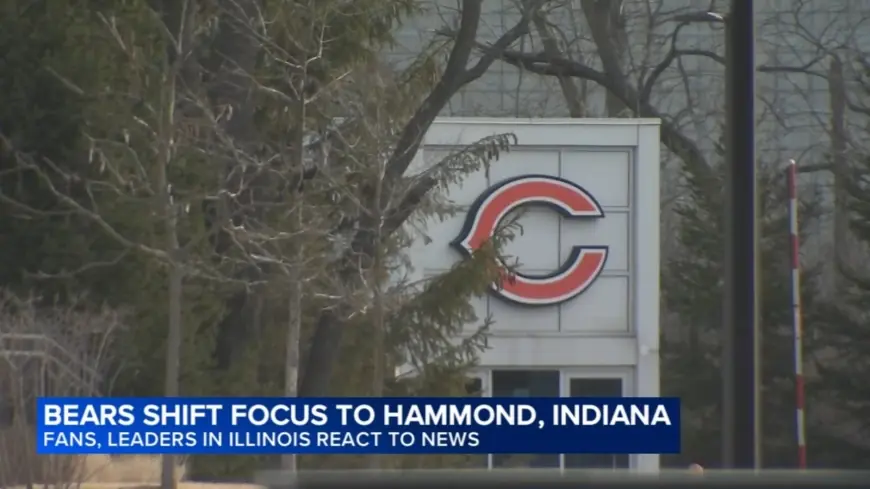
Who feels the impact first: fans who commute across state lines, local taxpayers in northwest Indiana, and Illinois political leaders watching a sudden pivot. The chicago bears' recent statement praising motion on SB 27 and Indiana lawmakers’ unanimous step to advance a Hammond-focused stadium bill has already forced cancellations and public surprise; the move immediately reframes stadium planning as a multistate political and fiscal contest.
Local effect: Chicago Bears region, fans and state leaders
Here’s the part that matters: this is less about a single construction project than about who will shoulder costs, change travel patterns for fans, and shape regional politics. Fans in the broader Chicago region are expressing both alarm and support; some say a cross-border stadium would feel like a loss of identity, while local officials in Hammond are pitching the project as a regional opportunity. The bigger signal here is that state-level incentives and tax changes are now driving stadium feasibility as much as team preference.
- Tax and funding impact: Proposal includes new food, beverage, and innkeepers taxes in northwest Indiana counties to support stadium and infrastructure costs.
- Team financial commitment: The plan envisions the team contributing $2 billion toward construction expenses.
- Local government posture: Hammond leadership is positioning itself as ready to partner and to prioritize the project.
- Political friction: Illinois leadership said they were surprised by the team’s public statement; previous discussions were described as substantial and constructive.
- Fan reaction: Public responses range from strong opposition to pragmatic acceptance depending on proximity and attachment.
The real question now is how quickly due diligence and site-specific work can proceed and whether fiscal measures in Indiana will survive negotiation and local review. If you’re wondering why this keeps coming up, it’s because the bill creates both a governance vehicle and a revenue plan that materially alters the calculus for where a stadium could be built.
What the committee vote did and what the bill would change
Legislators voted unanimously to advance language out of the Ways and Means Committee that would establish a Northwest Indiana Stadium authority similar to an existing Illinois entity. That step moves a framework forward that could convince the chicago bears to build near a site identified by state leaders around Wolf Lake in Hammond. The amendment tied to SB 27 lays out a path to negotiate a final deal contingent on successful site due diligence.
Practical elements in the proposal include new local taxes to underwrite construction and infrastructure, a large team contribution toward costs, and a public/private partnership model pushed by Indiana officials and Hammond’s leadership. Illinois officials had been in extended talks with the team; one state leader said those meetings included several hours of discussion shortly before the bill advanced and expressed surprise at the team’s public messaging and the timing of the bill’s movement.
Local voices have already shaped the public narrative: Hammond’s mayor emphasized readiness to support the effort, and an Indiana legislative leader framed the negotiations as a foundation for partnership. At the same time, some fans have reacted emotionally to the prospect of a home-state departure, a reaction that will factor into political calculations in both states.
Micro timeline embedded in the flow:
- Day-before talks: State officials completed extended discussions with team representatives and expected continued private negotiation.
- Morning committee action: Legislators advanced the stadium bill unanimously from the Ways and Means Committee.
- Team response: The team issued a public statement framing the bill as the most meaningful step in stadium planning and committed to finish site-specific due diligence.
It’s easy to overlook, but the creation of a stadium authority combined with targeted local taxes shifts the practical negotiation power toward the state that moves fastest and most decisively. The next concrete confirmations to watch are finalized due diligence results and any binding commitments tied to the proposed tax changes.