




















Zoe Atkin's top qualifying run shifts pressure onto rivals and family ahead of freeski halfpipe final

Why this matters now: zoe atkin's dominant qualifying effort changes who must react and how they will approach the final. By putting down a 91. 50 on her opening run and earning top seeding, she hands rivals a clearer target while giving her own camp a tactical edge. The immediate impact is on competitors' strategy, her family watching the event, and the psychological dynamics heading into the medal round.
Zoe Atkin's qualifying run — who feels the ripple effects first
Dropping top in qualification reshapes the competitive map. For opponents, a high early score compresses the tactical window: they must decide whether to match big-risk tricks or aim for cleaner, consistent runs. For Atkin, the result reduces the pressure of an early start and lets her watch opponents before delivering her best effort in the final. What's easy to miss is that the margin of psychological advantage in judged sports can be as consequential as any technical lead.
Key immediate implications integrated here: the judges will have seen Atkin's big-air capability above a 6. 7m-high pipe; competitors now have a reference score to chase; and family presence at the venue amplifies expectations that the team must manage. If you're wondering why this keeps coming up: in judged events, the order and size of qualifying scores actively shape run selection and risk appetite heading into finals.
Event details and on-the-day developments
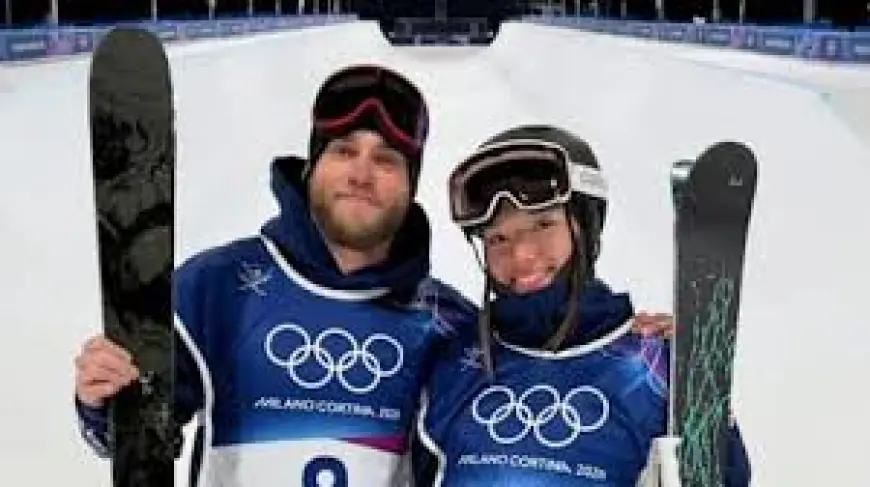
On her opening attempt, Atkin delivered a score of 91. 50, the best of the qualification round. She is the current world champion in the freeski halfpipe and a two-time X Games champion, credentials that add context to the top qualification but do not guarantee final results. Her sister, who previously won Great Britain’s first Olympic skiing medal, and other family members were watching the run from the venue.
The field also featured high-profile moments for other athletes: one leading contender recorded a slower qualifying score after a crash on a first run, and another athlete who had posted a strong first-run result suffered a heavy fall on a subsequent attempt and required medical attention. Those turns underscore how quickly fortunes can change in the pipe.
On schedule clarity: some timing details for heats and finals differ across updates and may evolve, so any precise start times should be treated as provisional.
- Top qualifying score (first run): 91. 50
- Status: Atkin holds the world championship in freeski halfpipe and is a two-time X Games champion
- Notable context: family in attendance; judges noted strong height above the 6. 7m pipe
A brief timeline embedded here: she made her Olympic debut four years ago; she won the world halfpipe title at the world championships; she now leads qualification after a standout first run. The real test will be whether she can translate that qualifying momentum into the best-of-three final format.
Her father has publicly urged a lighter mental approach, encouraging focus over worry as the event progresses—a reminder that family voices often shape an athlete’s mindset as much as coaching cues do.
Here's the part that matters: by qualifying top, Atkin will be positioned to drop later in the final sequence, letting her see opponents' lines before deciding how to pace risk and reward. That procedural edge matters in judged formats where strategy can be as decisive as technique.
Final note: recent performances suggest this is one of Atkin’s strongest competitive periods, but finals are a different contest. The pressure intensifies, and the field has already shown how quickly runs can swing from promising to problematic. Expect strategy, not just skill, to determine the podium.
It's easy to overlook, but the combination of big air above a tall pipe and the psychological tilt of top seeding is precisely the sort of advantage that can change how the final unfolds.