
















Zara Larsson Vows to Keep Replacing Her Wikipedia Photo as Page Is Semi-Protected


Zara Larsson used a TikTok post this week to publicly challenge Wikipedia editors who kept switching the main image on her biography, saying she will persistently restore a portrait she prefers. The online back-and-forth prompted dozens of edits in a short span and led to the page being marked as semi-protected with a temporary lock.
Zara Larsson’s TikTok campaign and the editing surge
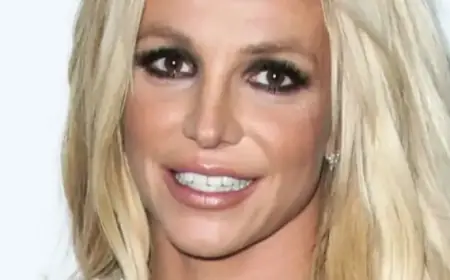
The singer-songwriter posted a video on TikTok criticizing the image then displayed as her primary photo and asserting a preference for a different portrait. The clip shows her and her team reviewing the gallery of images attached to the article, settling on a specific pink-outfit portrait that they intended to use as the main image. After the TikTok, the article’s edit history registered a rapid series of changes: the update log included roughly seventy revisions in a single day, with multiple contributors swapping images and leaving notes that characterized the activity as disruptive. At one point the page’s status changed to a semi-protected state with a visible lock that limits edits for a defined period, preventing further immediate swaps.
Community reaction and similar artist complaints
The push to control which portrait appears on the biography triggered divided responses: supporters urged that she be allowed to choose her preferred portrait, while others treated the public request as an invitation to reverse the change. The situation is not unique; another musician raised attention this week about an older, unflattering portrait on their own page and later saw that image replaced with a more current photo. Both incidents highlighted tension between public figures who want a particular public image and volunteer editors who manage the encyclopedia’s content under community rules.
What's confirmed and what remains unclear
- Confirmed: Zara Larsson posted a TikTok this week expressing frustration about her Wikipedia portrait and stating her intent to keep restoring a photo she prefers.
- Confirmed: The article’s edit history recorded approximately seventy revisions in one day, and the page was placed into a semi-protected state with a temporary lock on edits.
- Unclear: The precise timeline for when the semi-protection will lift and who initiated the protection action is not specified.
- Unclear: The long-term outcome—whether the artist’s preferred photo will remain or whether the community will revert to a different image after protections expire—remains unresolved.
Possible next steps and scenarios to watch
- Continued back-and-forth edits: If protections expire and the subject or supporters continue to swap images, the page could again experience a high volume of revision activity, prompting renewed administrative action.
- Extended protection or stricter controls: Moderators may extend semi-protection or impose stricter editing restrictions if disruptive editing persists.
- Community discussion and consensus: Volunteer editors might open or escalate a discussion within maintenance channels to reach a community consensus on which portrait is appropriate and complies with image licensing and neutrality guidelines.
- De-escalation: The parties involved could step back after the temporary protection period, leaving the chosen portrait in place until a new issue arises.
Why this matters beyond a single photo
This episode underscores broader tensions about control of public image for people who are repeatedly visible online. For artists, a biography photo is a small but meaningful element of public presentation; for volunteer editors, maintaining neutral, verifiable content and following site rules is a core principle. The clash illustrates how actions by a subject—posting about editorial choices on a public platform—can trigger rapid community response, administrative measures, and a spike in revision activity. Near term, fans, editors and administrators will be watching whether the semi-protection holds and whether the community settles on a lasting resolution.