



















Mardi Gras Indians Devote Months and Thousands to Hand-Sewn Suits Preparation

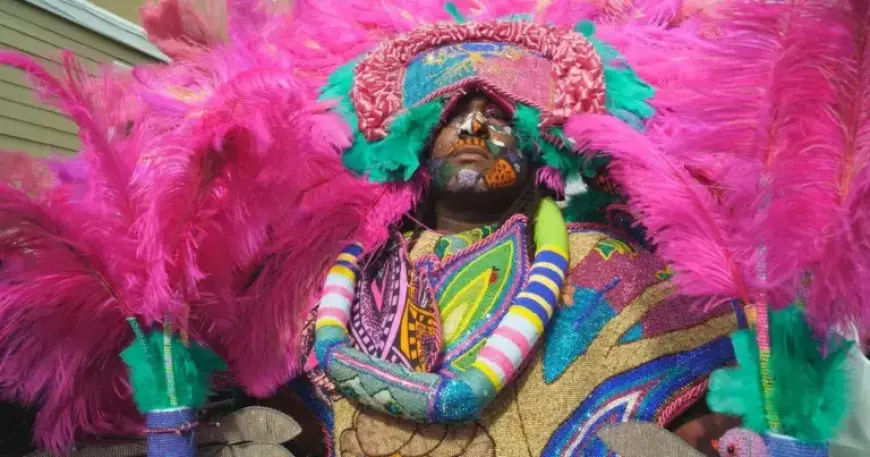
Mardi Gras in New Orleans is a vibrant celebration steeped in history and cultural significance. Among the hidden gems of this festivity are the Mardi Gras Indians, groups of Black maskers who honor their ancestors through intricate hand-sewn suits. This tradition, which dates back to the 1800s, serves as a powerful homage to the Indigenous peoples who provided refuge to enslaved Africans.
Significance of Mardi Gras Indian Culture
The Mardi Gras Indian tradition is more than just a colorful display; it’s a testament to resilience and community. Large groups, referred to as tribes, engage in a friendly but competitive showcase of artistry and pride on Mardi Gras Day. This year, the suits being unveiled are the result of months of meticulous labor, with each one costing thousands of dollars to produce.
Preparation and Craftsmanship
- Each suit takes an entire year to create.
- Designs often feature beads, sequins, and plumes that create breathtaking visual effects.
- Big Chief Demond Melancon, leader of the Young Seminole Hunters, is noted for his exquisite beadwork.
For Big Chief Demond, the crafting process is a labor of love. He dedicates countless hours, often working from morning until midnight. An average suit costs around $25,000, reflecting the dedication and artistry involved. The intricate designs tell stories—this year’s suit highlights the historic Amistad ship and the quest for freedom led by Cinque in 1839.
The Role of Community and Leadership
Each tribe is led by a Big Chief, who plays a vital role in nurturing and mentoring members. Big Chief Howard Miller, president of the Mardi Gras Indian Council, emphasizes the need to uplift and celebrate the community through this cultural expression. He recalls how the tradition emerged as a response to exclusion from mainstream parades, providing a unique space for cultural pride.
Adversity and Resilience
As Hurricane Katrina and gentrification have impacted New Orleans communities, leaders like Big Chief Monk Boudreaux strive to preserve this invaluable heritage. Having masked for over 70 years, he plays a critical role in mentoring future generations, emphasizing the need to keep the culture alive.
Tribe members often remark that participating in the Mardi Gras Indian tradition means more than wearing a suit; it’s about embodying the spirit and teachings of those who came before them. Many see their beadwork and performances as a way to connect with ancestors and teach younger generations the importance of resilience through art.
Legacy and Future Outlook
Both Big Chief Demond and Big Chief Monk embody the spirit of continuity in this unique culture. As they prepare to pass on their knowledge, there is hope that their efforts will inspire the younger generation to engage in the craft and keep this tradition flourishing. With upcoming visibility at events like the Venice Biennale, their art is gaining international recognition, validating the rich heritage of Mardi Gras Indians and their place in both local and global culture.
As Mardi Gras approaches, communities come together not just to celebrate, but to honor the legacy of the Mardi Gras Indians—a culture that is deeply rooted and too beautiful to fade.