

























Uk Passport Rules Dual Citizenship: New entry checks from 25 February leave many dual nationals facing extra cost and uncertainty

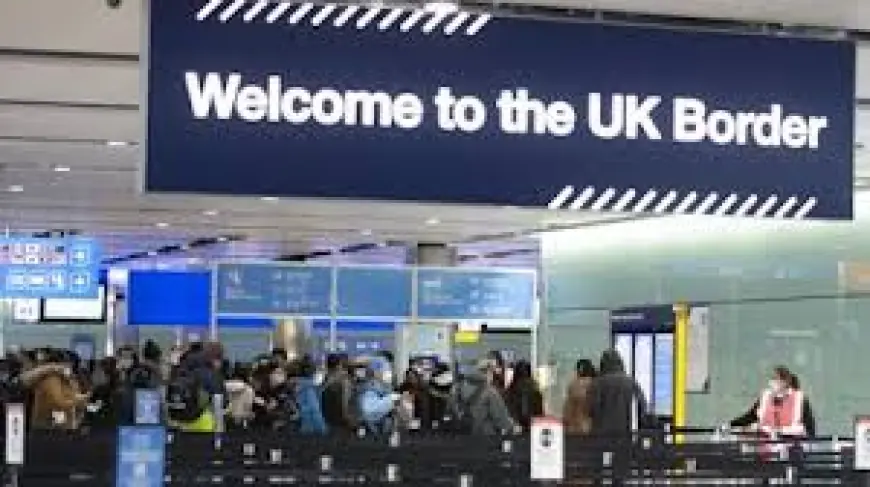
Uk Passport Rules Dual Citizenship are changing from 25 February, requiring British dual nationals who do not hold a UK passport to present either a British passport or a digital certificate of entitlement before they can travel to the UK; without one of these documents, travellers risk being denied boarding or entry. The switch is linked to a wider Electronic Travel Authorisation rollout that imposes a separate fee for non-visa visitors and shifts checks to airlines at departure.
How the new entry regime will operate and who it hits
The new rules, effective 25 February, mean a British national with another nationality can no longer use only their foreign passport to return to the UK. They must show a British passport or hold a digital certificate of entitlement attached to their second-nationality passport. Neither document is issued automatically when someone obtains British citizenship; applicants will need to apply and wait several weeks for processing.
Costs are explicit in the new structure: the certificate of entitlement carries a fee of £589, while a British passport for an adult is about £100. The Electronic Travel Authorisation that other visitors must obtain costs £16 now and is planned to go up to £20 in future. Dual nationals are not eligible to apply for the ETA and are therefore subject to the separate passport/certificate requirement. Airlines will carry out checks at departure for the documentation required to travel back to the UK. Irish passport holders remain exempt, while other EU citizens are affected.
Real-world examples, incentives and the policy aim
Personal accounts from people directly affected illustrate the practical consequences. One long-term UK resident who became a British citizen says she relied on her EU passport for travel and did not apply for a UK passport because it would require surrendering her other passport temporarily; she now faces the new certificate requirement to return after visits abroad. Another dual national who kept a foreign passport after obtaining UK citizenship found they can no longer apply for the £16 ETA and would be forced either to pay for the £589 certificate or obtain a UK passport.
The government has framed the package as a move to streamline and modernise the UK border through the ETA system and related checks. That administrative objective interacts with individual incentives: some dual nationals will opt to secure a UK passport to avoid the certificate cost and the uncertainty of processing times; others may incur the higher certificate fee or risk disrupted travel plans if they do not act promptly.
Outstanding questions and next steps
Several practical details remain unclear or vary by case. Key unknowns include:
- Exact processing times for the digital certificate of entitlement in all circumstances (timing is described as several weeks for documents generally).
- How long certificates will remain valid in all cases and how validity ties to the foreign passport in every nationality (one account mentioned validity linked to the duration of the current foreign passport).
- Operational guidance for airlines and how consistently departure checks will be applied.
- What transitional arrangements, if any, exist for travellers already away from the UK when the rule takes effect.
Possible near-term scenarios and their triggers:
- Many dual nationals apply for a UK passport (trigger: desire to avoid the £589 certificate and uncertainty about processing).
- Some travellers pay for the £589 certificate to retain their foreign passport in daily use (trigger: inability or unwillingness to hand over the foreign passport for passport application).
- Passengers without a UK passport or certificate are denied boarding or entry (trigger: airline departure checks flag missing documentation).
- Administrative friction and delays for travellers who apply late and face travel disruptions while waiting several weeks for documents to arrive.
Why this matters now: the changes attach a clear monetary and timing cost to dual nationality choices that many assumed would not affect routine travel. Census figures underline the scale: a measurable share of the population holds dual UK-other citizenship, meaning hundreds of thousands of residents could be directly affected. Near-term impacts include increased demand for passport services, additional expenses for individuals, and a strain on travel planning for those visiting family or living between countries.
Those who hold dual status and plan travel after 25 February should check whether they hold either a UK passport or a valid certificate of entitlement and be prepared for several weeks of processing time. The new rules are intended as part of a broader border modernisation, but they also create administrative and financial trade-offs for people who became British citizens precisely because they lived and worked in the UK for years while maintaining other national ties.