
























Who Died Today: Cees Nooteboom, Dutch Novelist and Travel Writer, Dies at 92

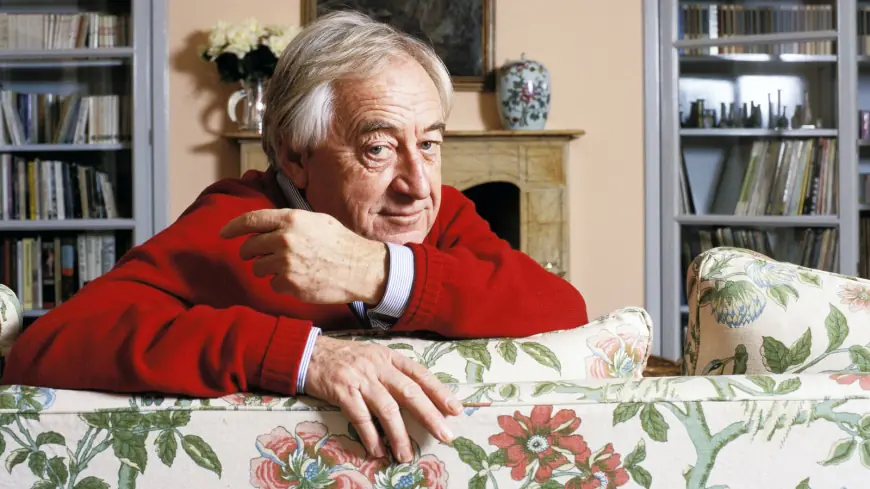
Who Died Today: Cees Nooteboom, the Dutch novelist, poet and travel writer known for his experimental narratives and wide-ranging translations, died on Feb. 11 at his home in Sant Lluis on the island of Minorca. He was 92, and the news of his passing was announced by his publisher in Amsterdam on behalf of his wife.
Who Died Today — Verified details of the death and immediate facts
Confirmed facts in this notice: Cees Nooteboom died on Feb. 11 at his residence in Sant Lluis, Minorca, Spain. He was 92 years old. The announcement came from his publisher in Amsterdam and was issued on behalf of his wife, the photographer Simone Sassen. The notice described his passing as peaceful.
Biographical anchors present in verified material: Nooteboom was born in The Hague on July 31, 1933. He first gained attention with the 1955 debut novel Philip and the Others, which won the Anne Frank prize. His 1980 novel Rituals marked an international breakthrough; that book was later adapted into a film in 1988 and became his first work published in English translation. Other notable works named include The Following Story and Lost Paradise.
Artistic reach, reputation and honors
Nooteboom’s output spanned fiction, poetry and travel writing. He also translated poetry and plays into Dutch, including work by noted poets and dramatists. His style was described in the verified material as erudite and formally inventive, often challenging conventional plot and character construction. He received multiple literary prizes in his home country and honorary doctorates from European universities, with one honorary doctorate dated 2019 from a London institution.
Across the material provided, he was repeatedly noted as an internationally recognized figure who was often mentioned as a potential Nobel Prize in Literature candidate. Only a portion of his work has appeared in English, and his reputation was strengthened by praise from prominent literary critics and fellow writers identified in the verified accounts.
Outstanding questions, what remains unclear and next practical steps
While the death and several career highlights are confirmed, several details remain unreported in the available material:
- Official public arrangements (timing and location of any memorial or funeral) are not specified.
- Cause of death is not stated in the verified notices.
- Comprehensive lists or schedules for translations and posthumous publications are not provided.
Realistic next steps and scenarios to watch for:
- Publication of an official family statement or obituary that provides details on memorial arrangements and any private wishes — trigger: family or publisher release.
- Posthumous editorial activity such as new translations, collected essays or reissues of major works — trigger: announcement by literary estate or publisher in coming weeks.
- Responses from literary institutions and awarding bodies recognizing his career and contributions — trigger: formal statements or planned commemorative events.
Why this matters: Nooteboom occupied a distinct position in postwar European letters as both a novelist who experimented with narrative form and as a traveler-writer who bridged genres. His death closes a long, multifaceted career that influenced translators, critics and readers across languages; it will likely prompt renewed attention to his best-known novels and to translations that have so far been limited.