



















Bbc: Passenger reunited with rail staff after on‑train cardiac arrest

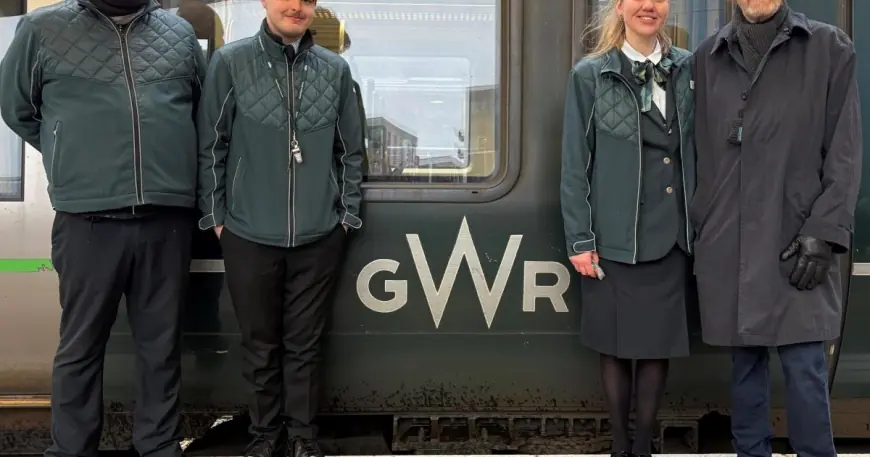
The appears among the headlines following a dramatic rescue after a passenger suffered a cardiac arrest on a train from Swindon — a man has since returned to Reading Station to thank the rail staff and emergency teams whose quick action helped save his life.
: mystery GP appealed to after on‑train resuscitation
One of the related headlines emphasises a mystery GP who administered CPR on board and an appeal to trace her so the passenger can offer his thanks. The item notes that a defibrillator was rushed on board at Reading and used alongside the resuscitation effort.
Rail staff, dispatchers and emergency teams praised in reunion
The main reunion brought the passenger together with the train manager and dispatch staff who coordinated the response when he fell ill while the service was approaching Reading station. A fellow traveller activated the emergency alarm, bringing the train to a halt, and the train manager discovered the man not breathing. A doctor on board began CPR while another passenger called 999.
On the platform, dispatchers sourced a station defibrillator and set up screens to keep the area clear, allowing emergency services personnel to reach the scene without delay. Working with signallers, staff ensured the train was held at Reading station to allow ambulance crews and air ambulance representatives to attend. The passenger later went to hospital and made a recovery.
The passenger returned to Reading Station on Wednesday, February 18 ET to meet those who had helped that day, joined by the station delivery manager and representatives from the ambulance service and air ambulance. He described the reunion as an opportunity to thank everyone involved — from the platform staff and train crew to those who coordinated the response across control rooms and the station.
Members of the rail team recalled how quick thinking and teamwork made a difference: the train manager initiated emergency procedures and liaised with the driver to ensure the train moved into the station, dispatchers located lifesaving equipment and managed the crowd, and a doctor happened to be on the train to start CPR immediately.
Separately, the headline highlights the passenger’s appeal to trace the GP who played a central role in the onboard resuscitation. The appeal underlines how an individual clinician’s intervention, combined with coordinated action from rail staff and emergency services, created the window for lifesaving care to be delivered.
The reunion at Reading served both as a public thank‑you and as a reminder of the layered response required in such incidents: alarm activation to stop the train, an immediate medical intervention on board, rapid sourcing of a defibrillator, controlled platform access, and prompt handover to emergency crews once on scene.
Those present at the reunion praised the calm and decisive actions of colleagues and volunteers on the day. The passenger said it was important to return and thank everyone personally; rail staff described relief and pride at learning he had survived.
The dual headlines — one focusing on the reunion with rail and emergency teams, the other drawing attention to the mystery GP who initiated CPR — together underscore how chance, preparedness and coordinated response combined to save a life on a routine rail service from Swindon.