

























Spirit Airlines cancellations strand hundreds as staffing shortfalls and lone network leave travelers isolated

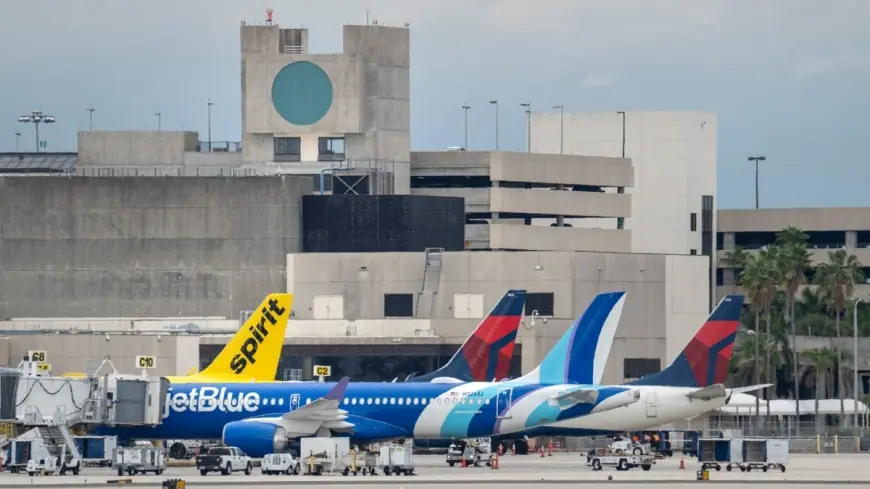
Spirit Airlines canceled more than 250 flights since Friday, Feb. 13 (ET), leaving hundreds of travelers stranded at South Florida airports and triggering heavy disruption at Fort Lauderdale, Palm Beach and Orlando.
Why Spirit Airlines passengers were left without alternatives
A mid-February 2026 (ET) wave of cancellations and delays compounded by staffing shortages left travelers scrambling for options. The airline does not maintain interline agreements with other carriers, so when flights were canceled those passengers could not be automatically rebooked onto competing airlines. That absence of cooperative booking partnerships forced many travelers to seek refunds or buy last-minute tickets on their own.
Airline operations were concentrated in South Florida, and Fort Lauderdale-Hollywood International Airport bore a particularly heavy share of disruptions. Palm Beach International Airport and Orlando International Airport also saw canceled and significantly delayed Spirit flights, leaving terminals crowded with passengers who had limited rebooking choices.
Operational strain and financial maneuvers deepen uncertainty
The carrier acknowledged cancellations and delays tied to a lack of crews and flight attendants. The airline has been operating in Chapter 11 bankruptcy for the second time in less than a year, and the company recently sold 20 aircraft, most of which had not been in active service. The airline's CEO, Dave Davis, described the fleet reduction as a measure designed to ensure the company's long-term success.
Outside investors have taken notice. A Louisiana businessman, John Miller, is seeking to assemble investors to buy the carrier and has said his group would make Louis Armstrong New Orleans International Airport its hub if a purchase is completed. The airline's low stock price of 3 cents has been cited as a motivating factor for potential acquirers.
Industry observers highlighted how the ultra-low-cost operating model can amplify the impact of disruptions. One consulting executive noted that while the model is efficient when operations are running smoothly, it offers less buffer when things go wrong — and that ripple effects from cancellations at a core base can be severe. If reliability concerns affect booking behavior in a highly competitive market, competitors could benefit.
The combination of a bankruptcy restructuring, recent fleet reductions and acute staffing shortfalls has left the carrier with fewer operational levers during this spike in cancellations. With no system-level path to place passengers on other airlines, the carrier's only recourse was to attempt rebooking on its own remaining flights or to issue refunds when alternatives did not exist.
Travelers caught in the disruption faced steep, last-minute costs to secure seats on other carriers or extended waits for refunds. The situation underscored how structural choices—such as standing apart from interline networks and running a tightly scheduled, low-margin operation—can magnify passenger hardship when disruptions occur.
As the carrier works through staffing gaps and its Chapter 11 process, the immediate priority for many affected travelers remains reaching their destinations and recovering refunds. The broader question for the carrier is whether these operational problems are a short-term breakdown or a sign of deeper systemic challenges that could reshape booking patterns and the airline’s competitive position.