






















Kelly Sildaru Eyes Halfpipe Comeback After Knee Surgery at Milano Cortina

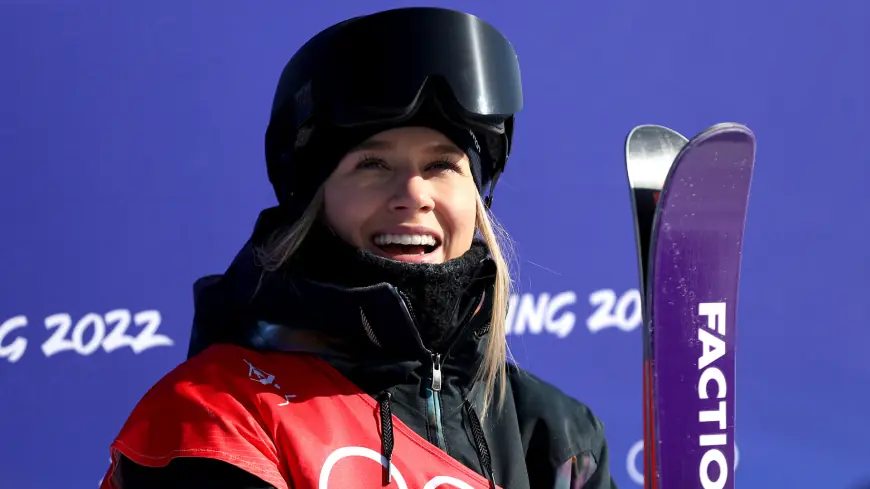
Kelly Sildaru is in qualification for the women's halfpipe on Thursday (ET) at the Milano Cortina Winter Olympics, marking a return from a significant knee surgery in late 2024 and a shift to compete exclusively in the halfpipe rather than slopestyle. The Estonian star, who was her country’s only medalist at the previous Winter Games, also faces heightened competition as one top rival has already claimed two silver medals in Italy.
Kelly Sildaru's comeback and Olympic preparation
Sildaru arrived in Italy after a training camp in Switzerland, where the primary focus was on altitude training to gain more amplitude in the halfpipe. She said the camp helped boost her confidence, even if there were still tricks she hoped to complete but did not. That preparation preceded three scheduled training opportunities in the Olympic halfpipe; initial sessions were disrupted by snow and a strong blizzard with wind, though the final training day was sunny and the pipe felt faster, giving her a better feeling heading into qualification.
The road back has not been straightforward. Sildaru acknowledged the psychological and physical toll of injury, noting that having two injuries in a row meant she has had to rebuild confidence and form from slightly below zero. The knee surgery in late 2024 and a compressed timetable between her first comeback competition and the Olympics have made the process more challenging, yet she described herself as being in a very good position after recent training.
Turning 24 while competing at the Games has added another personal layer to the experience. She said she has tried to enjoy the moment despite the inevitable Olympic pressure, and that simply being back on the Olympic stage after the injury comeback already feels like a victory.
Challenging a strong field and the wider spotlight on women's freestyle
Sildaru has opted to skip slopestyle at these Games and focus solely on the halfpipe in Livigno. That decision frames her campaign as a targeted bid for halfpipe success and sets up a direct challenge against a deep field led by the defending champion, who has already taken two silver medals in Italy.
Reflecting on the competitive landscape, Sildaru welcomed the strong turnout of athletes, saying it elevates the event when top competitors are present. She also commented on the increased global attention brought by high-profile rivals, suggesting that greater visibility has helped more people learn about freestyle disciplines such as slopestyle and halfpipe.
On the risks of the sport, Sildaru was candid: freestyle skiing is among the most dangerous sports, she said, because small factors—headwind or a minor mistake—can lead to crashes and injury. That awareness does not deter commitment; after the long rehabilitation and surgery, the Estonian indicated that chasing medals remains important, but simply returning to compete is already meaningful. A podium return would be especially poignant given her injury history and the focused decision to concentrate on a single discipline this time.
With qualification set for Thursday (ET) and the stakes amplified by the presence of the sport’s top names, Sildaru's campaign at Milano Cortina will be watched as much for a potential medal outcome as for the narrative of an athlete rebuilding confidence and form after a significant medical setback.