


















Death Ruled Accidental for 'Pulp Fiction' Villain — peter greene Died From Gunshot to Left Armpit

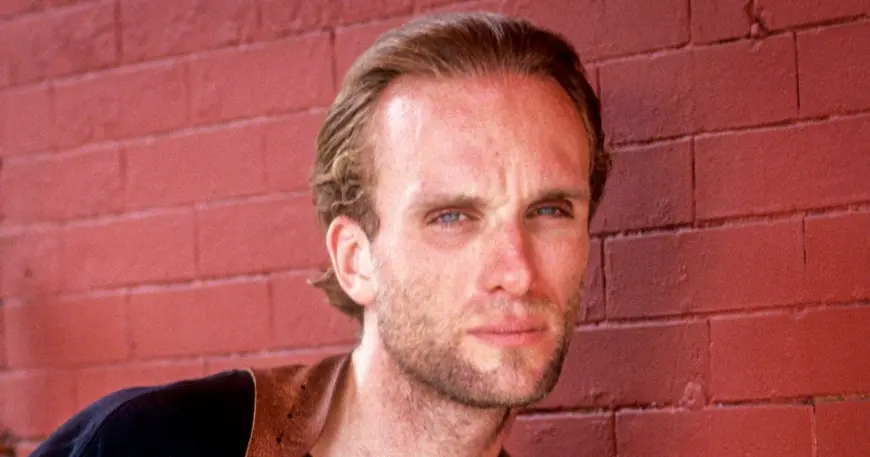
The New York City medical examiner has determined that actor peter greene died from an accidental gunshot wound to his left armpit, injuring the brachial artery and causing fatal blood loss. The ruling was released roughly two months after Greene, 60, was found dead in his Lower East Side apartment on Dec. 12 (ET).
Medical examiner names cause: left axilla gunshot with brachial artery injury
The city's medical examiner issued a formal determination that listed the cause of death as a gunshot wound to the left axilla, noting injury to the brachial artery — the major vessel that supplies blood to the arm. The office classified the death as an accident, and provided no further details about the circumstances that led to the fatal wound.
That finding clarifies weeks of uncertainty following Greene's death in mid-December. The ruling closes the immediate question of whether foul play was involved, attributing the death to an accidental firearm injury that damaged critical vasculature in his arm.
Found dead in Manhattan; career and unfinished work noted
Greene was discovered in his Lower East Side apartment on Dec. 12 (ET) at age 60. The medical examiner's announcement came roughly two months later and confirms the manner of death as accidental. Family members and colleagues have been notified through standard channels, and there have been no public statements challenging the medical examiner's findings.
Known for his menacing turns on screen, Greene carved a reputation as a reliable character actor, most famously as the sadistic security guard Zed in a landmark 1994 crime film. His career also included leading roles in early independent dramas and notable appearances in mainstream pictures throughout the 1990s and 2000s. Among his recent activity, Greene was reported to have been working on two projects at the time of his death, including a documentary examining the federal government's withdrawal of funding from the U. S. Agency for International Development.
Legacy, next steps and unanswered questions
Industry colleagues and fans have noted Greene's gift for playing abrasive, unsettling characters, a specialization that yielded memorable performances in a range of films. While the medical examiner's report provides a medical cause and manner of death, it leaves other contextual questions unanswered — for example, the specific circumstances surrounding how the firearm was handled or how the injury occurred.
Investigators and officials typically close their inquiries when the medical examiner designates a death as accidental unless new evidence emerges. For Greene's partners on the projects he had in development, the ruling offers a factual endpoint to the immediate investigation and allows creative teams to move forward with decisions about those works.
Greene's passing has prompted reflection on a career built on intense, often chilling characters and on how a private tragedy unfolded in public. The medical examiner's determination provides a clearer picture of what led to his death, while leaving room for those who knew him to remember his work and consider the projects he left unfinished.