
























womens hockey usa: U.S. Stuns Canada 2-1 in Overtime to Claim Olympic Gold

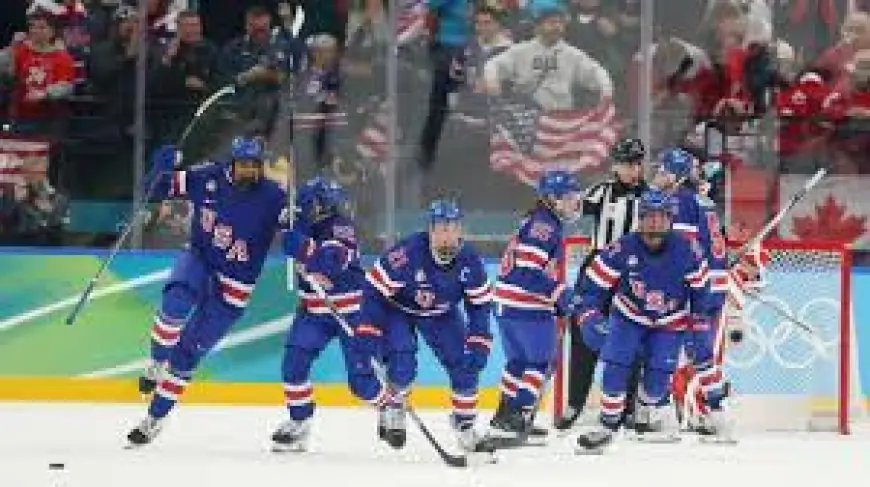
In a dramatic finale that lived up to the rivalry’s billing, the United States defeated Canada 2-1 in overtime to win the women’s Olympic hockey gold. The deciding sequence came in sudden-death 3-on-3 overtime, with a late play that slipped past Canada’s goaltender and sent the U. S. bench and fans into rapturous celebration Thursday evening (ET).
Late comeback and decisive overtime
The U. S. appeared on the brink after 55 minutes of tight, often one-sided play favoring Canada, but a series of late-game choices swung the momentum. With the United States trailing, coach pulled starting goalie Aerin Frankel for an extra attacker; that gamble produced a crucial tying sequence when young forward Laila Edwards fed captain Hilary Knight for the equalizer. Knight’s goal forced sudden-death overtime and set the stage for a frantic 3-on-3 period.
Just minutes into overtime play, the winning puck found its way to U. S. alternate captain Megan Keller, who skated diagonally and slid the puck under the Canadian keeper. The goalie initially seemed unaware the puck had crossed the line until the crowd reaction confirmed the score. The final read 2-1, the ending abrupt — sudden-death over almost as soon as it began — and the U. S. team celebrated a hard-fought gold.
Heroes, near-misses and shifting narratives
Several storylines threaded through the contest. Edwards — criticized earlier for tempo and pace in the final — made a timely defensive play late in regulation and then helped set up the tying marker, a performance that underlined her impact in critical moments. Frankel, who had been stellar much of the tournament, was pulled in the closing minutes as the team chased parity; the tactic paid off when the extra skater found the back of the net.
Canada’s offense supplied its own jaw-dropping chances. Marie-Philip Poulin, the long-standing clutch scorer, nearly turned the game with a dangerous look in the extra period; other Canadian forwards generated pressure throughout, but could not find a second goal. The Canadian goaltender made outstanding saves and appeared momentarily caught off-guard by the final puck’s slow trickle across the line — a heartbreaking end for a dominant performance that nonetheless fell short of gold.
Rivalry renewed and broader implications
This game reinforced the long, heated rivalry between the two hockey powers — a rivalry built over decades of Olympic finals and high-stakes showdowns. Since women’s hockey became an Olympic sport in 1998, the two nations have monopolized gold medals, and Thursday’s clash felt like the latest chapter in that ongoing saga: two programs defined by intensity, deep rosters, and players who have made their names largely on the international stage.
Beyond the medal itself, the result reverberates across the sport. For the United States, the victory is a crowning achievement for a core of veteran leaders and a validation of younger contributors who stepped up at the moment of truth. For Canada, the narrow loss will sting but also reaffirm the program’s resilience and depth; the final provided further evidence that these two teams remain the measuring stick for women’s hockey worldwide.
The final also underscored how international tensions and competitive animus have only intensified the encounters on ice, making these Olympic meetings not just contests of skill but flashpoints of national pride. For fans of the sport, Thursday’s drama — tying goal after a pulled goalie, a quick, decisive 3-on-3 overtime finish, and headline-making individual performances — delivered a classic that will be replayed in hockey memory for years to come.