























Japan’s Miura and Kihara Rally to Gold in dramatic olympics figure skating upset

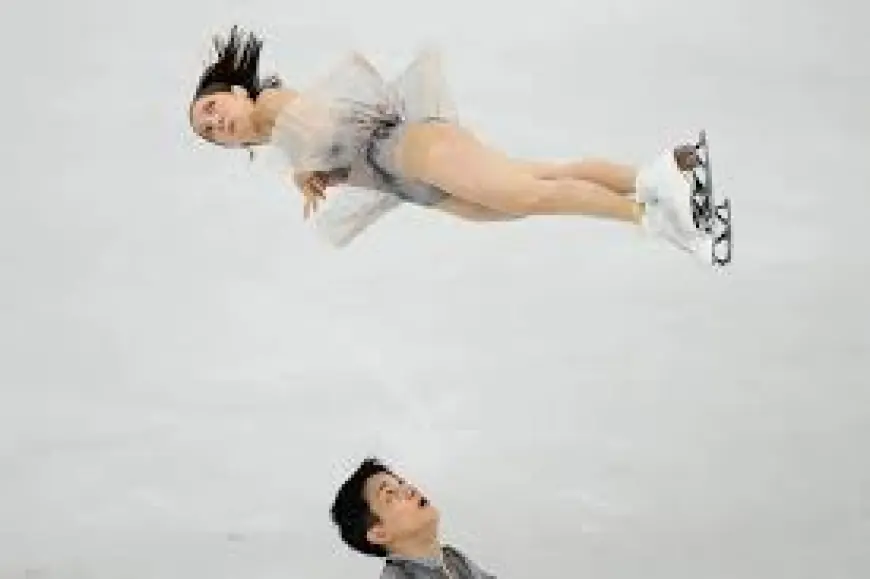
Riku Miura and Ryuichi Kihara staged a stunning comeback, turning a short-program disaster into a gold-medal performance in the pairs event. After a costly error left them fifth entering the free skate, the two-time world champions delivered a near-perfect long program and secured Japan’s first Olympic pairs title.
Short program error drops Japanese pair deep in the field
The competition nearly slipped away on the first night when Miura and Kihara stumbled on a high-value lasso lift. What had been called a Level 4 element was downgraded to Level 2 after Miura awkwardly slipped off Kihara’s shoulders and landed against his back. Judges penalized the pair with a -2. 30 grade-of-execution on that lift and lowered their component marks, leaving them nearly seven points behind the leaders after the short program.
The misplaced lift swung momentum to a German pair that led the standings at the break, and the Japanese team found themselves in a precarious position with only seven required elements in the short program — one miscue can dramatically alter medal math. Their coach tried to steady nerves as they prepared for the free skate; public expectation for a Japanese breakthrough had been building after strong team-event showings and back-to-back world titles.
Flawless free skate flips the script; champions dethroned
Miura and Kihara answered the challenge in the free skate, delivering a powerful program skated to music from the film "Gladiator. " They landed their triples and throws cleanly, executed high-difficulty elements with strong levels, and posted a big free-skate score of 158 points. That performance vaulted them past rivals and into the top of the overall standings, clinching the gold.
The result marked a changing of the guard in pairs skating. The defending Olympic champions, who had returned to compete, were pushed off the podium and finished fifth after dropping two triple jumps in their free skate. A separate team — representing Georgia — capitalized on the opportunity and produced a landmark result: Anastasiia Metelkina and Luka Berulava earned the silver, the first Winter Games medal in their nation's history.
The final standings underscored how quickly the sport can turn. Pairs that had been seen as favorites earlier in the season found themselves overtaken, while Miura and Kihara transformed a near-disaster into a historic triumph for their country.
Broader ripple effects and what comes next
The weekend’s results were part of a wider pattern of surprises across the skating program, where several established names faltered under Olympic pressure. A top ice-dance team that had been dominant in recent world championships was outscored in the dance event, and an elite men’s skater who had been unbeaten for years slipped well down the leaderboard. Those upsets, along with the Japanese pairs victory, suggest this edition of the Games will be remembered for unexpected shifts in momentum and the emergence of new contenders.
For Miura and Kihara, the gold validates a rapid ascent within pairs skating and fills a historic gap for their nation in an event long dominated by other countries. Their rebound from a short-program mishap to Olympic champion will be the defining image of the pairs competition and a case study in resilience under pressure.